
I compared water softener pellets and crystals through real household use and long-term system performance.
The main intent of this article is to show you the practical differences in dissolving behavior bridging risk cleanliness and overall value so you can choose the better salt form for your softener.
You will see clear pros cons and side-by-side results that reflect actual tank conditions rather than package claims.
| Feature | Pellets | Crystals |
| Shape and Form | Uniform compressed pellets | Irregular crystal pieces |
| Dissolving Consistency | Steady and predictable | Faster but less uniform |
| Bridging Risk | Lower | Higher in humid conditions |
| Residue and Mushing | Minimal when high purity | Can leave more fines and mush |
| Common Purity Levels | Often 99.5% or higher | Varies more widely |
| Ease of Handling | Clean pouring and scooping | Can be dustier |
| Best For | Most modern softeners | Some older or high-demand systems |
| Price Range | Slightly higher per bag | Often lower per bag |
| Availability | Very wide | Wide |
My Experience Testing Both Salt Forms Side by Side

I ran both pellets and crystals in the same water softener over extended periods and tracked how each performed in daily regeneration cycles.
Pellets poured cleanly into the brine tank and settled into an even layer.
They dissolved at a steady rate and left very little residue at the bottom when I checked after several months.
Bridging almost never occurred even during humid summer weather.
Crystals went into the tank easily at first yet tended to form uneven layers.
In humid conditions they sometimes clumped and created bridges that required breaking up by hand.
Dissolving happened faster in spots yet leftover fines and mush appeared more often at the base of the tank.
Both forms softened the water effectively when the softener was correctly set.
The practical differences showed up in maintenance frequency cleanliness of the brine tank and how often I needed to intervene.
Key factors such as humidity purity level tank design and regeneration frequency shaped the results.
My direct side-by-side testing and ongoing observations supplied the detailed comparisons that follow.
Dissolving Behavior and Brine Consistency
Dissolving behavior and brine consistency determine how reliably the softener regenerates.
Pellets dissolve at a steady controlled rate and produce more uniform brine.
Crystals dissolve faster in open areas yet can leave denser undissolved sections.
Consistent brine strength supports better ion exchange and more predictable soft water.
Pellets generally deliver that consistency with less variation from cycle to cycle.
Bridging Risk Humidity and Tank Conditions
Bridging risk humidity and tank conditions reveal one of the largest practical differences.
Pellets resist forming solid bridges even when basement air is damp.
Crystals more readily cake together and create a crust that blocks salt from reaching the water.
I had to break bridges by hand more often with crystals especially in summer.
Households in humid climates usually experience fewer interruptions with pellets.
Residue Mush and Long-Term Tank Cleanliness
Residue mush and long-term tank cleanliness favor high-purity pellets.
After months of use the pellet tank showed far less sludge at the bottom.
Crystals left more fines and a soft mushy layer that required periodic removal.
Cleaner tanks reduce the chance of buildup affecting the float or injectors.
Less residue also means fewer deep cleanings over the life of the softener.
Purity Levels Additives and Water Quality Impact
Purity levels additives and water quality impact both forms yet pellets more often advertise higher purity.
Evaporated salt pellets at 99.5% or above introduce fewer insoluble materials.
Some crystal products reach similar purity while others contain more impurities.
Iron-fighting or rust-removing additives appear in both forms depending on the brand.
Higher purity supports cleaner operation and longer softener resin life.
Cost Per Bag Value and Annual Expense
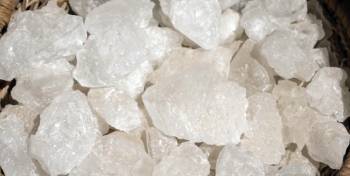
Cost per bag value and annual expense depend on local pricing and usage rate.
Crystals frequently cost less per forty-pound bag.
Pellets often cost a bit more yet can reduce maintenance time and wasted salt from bridging.
Annual expense depends on water hardness household size and regeneration frequency more than the small price difference between forms.
Many owners find the modest extra cost of pellets worthwhile for cleaner operation.
Handling Storage and Everyday Convenience
Handling storage and everyday convenience favor pellets for most people.
Pellets pour with less dust and scoop more cleanly.
Crystals can create more airborne particles and feel less uniform in the hand.
Both forms require dry storage to prevent premature clumping.
Bags of either type are heavy and bulky to move.
Compatibility with Different Softener Designs
Compatibility with different softener designs is broad for both forms.
Most modern demand-initiated softeners work well with pellets.
Some older or continuous-flow units have used crystals successfully for years.
Manufacturer recommendations should always be checked yet pellets are widely accepted as the default choice today.
Performance in High-Hardness and High-Demand Homes
Performance in high-hardness and high-demand homes shows both forms can soften water effectively.
The advantage of pellets appears in reduced maintenance rather than superior softening power.
Homes that regenerate frequently benefit from the cleaner dissolving and lower bridging of pellets.
Crystals still function yet require more attention to keep the brine tank in good condition.
Also Read: My Experience With Nuvo Water Softener
Brand Variations and Real-World Quality Differences
Brand variations and real-world quality differences matter more than the pellet-versus-crystal label alone.
High-purity pellets from reputable makers outperform low-grade pellets.
The same is true for crystals.
Reading the purity percentage and checking for insoluble content gives a better indication of expected performance than form alone.
Long-Term Softener Health and Resin Protection
Long-term softener health and resin protection benefit from cleaner salt.
Less residue and more consistent brine help the resin beads operate efficiently.
Pellets with high purity support this goal with less risk of insoluble buildup.
Regular softener maintenance remains important regardless of salt form.
Pros and Cons Of Water Softener Pellets
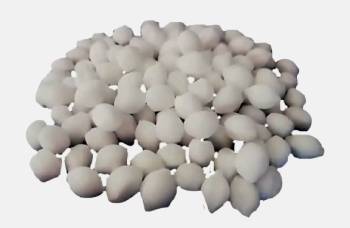
Pros Of Water Softener Pellets
- Uniform Shape: Consistent size promotes even dissolving.
- Lower Bridging Risk: Less likely to form solid crusts in the tank.
- Cleaner Operation: High-purity versions leave minimal residue.
- Predictable Performance: Steady brine strength from cycle to cycle.
- Easy Handling: Pour and scoop with little dust.
- Wide Compatibility: Works well in most modern softeners.
- Reduced Maintenance: Fewer times the tank needs stirring or cleaning.
- High Purity Options: Many brands offer 99.5% or better.
- Stable in Humidity: Holds up better in damp basements.
- Consistent Bag Weight: Reliable quantity per purchase.
The Analytical Cons Of Water Softener Pellets
- Slightly Higher Cost: Often priced above basic crystals per pound.
- Slower Initial Dissolve: Can take longer to create brine in some conditions.
- Overkill for Simple Systems: Extra uniformity may not be needed on basic units.
- Limited Specialty Options: Fewer iron-fighting or additive versions in some lines.
- Availability of Cheap Versions: Low-quality pellets still exist and perform poorly.
- Storage Space: Bags are bulky like any softener salt.
- Not Dust-Free: Some lower grades still produce fines.
- Brand Variation: Performance depends on actual purity and manufacturing.
- Heavier Feel: Dense pellets can feel harder to pour for some users.
- Premium Pricing on Top Brands: Name brands cost more than store generics.
Pros and Cons Of Water Softener Crystals
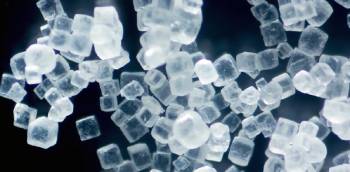
Pros Of Water Softener Crystals
- Lower Price Point: Frequently costs less per bag.
- Fast Dissolving: Creates brine quickly in many systems.
- Wide Availability: Easy to find at most retailers.
- Familiar Form: Long-standing option many households know.
- Adequate Softening: Softens water effectively when used correctly.
- Good for High Demand: Some systems respond well to faster dissolve.
- Multiple Brand Choices: Broad selection across stores.
- Simple Composition: Straightforward evaporated salt in most cases.
- Works in Older Units: Compatible with a wide range of softeners.
- Bulk Options: Larger bags often available at warehouse stores.
The Analytical Cons Of Water Softener Crystals
- Higher Bridging Risk: More prone to forming crusts in humid conditions.
- Uneven Dissolving: Can leave undissolved pockets and residue.
- More Tank Mush: Fines and sludge collect at the bottom more often.
- Dustier Handling: Pouring can create more airborne particles.
- Variable Purity: Quality differs more between brands and batches.
- Increased Maintenance: Bridging and residue require more frequent attention.
- Humidity Sensitivity: Performs worse in damp environments.
- Inconsistent Brine Strength: Layering can affect regeneration quality.
- Potential for Channeling: Water may flow through paths of least resistance.
- Messier Cleanouts: Removing buildup takes more effort.
Also Read: My Experience With Springwell Water Softener
Frequently Asked Questions (FAQs)
Mixing is generally acceptable in small amounts yet consistent use of one form produces more predictable dissolving and easier monitoring.
Duration depends on water hardness household size and regeneration settings. Many average homes use one bag every one to two months.
Many experienced users on discussion forums prefer pellets for lower bridging and cleaner tanks while some still use crystals successfully.
Performance depends more on purity and local conditions than brand name alone. High-purity versions of either form work well when matched to the softener.
Final Thoughts
I compared water softener pellets and crystals and found clear practical differences in daily operation.
The main intent remains giving you clear side-by-side observations on dissolving bridging residue and value so you can select the better form for your system.
Pellets generally deliver cleaner more consistent performance with less maintenance while crystals remain a lower-cost option that requires more attention.
You now have the detailed experience to choose the salt that matches your softener and household conditions.
Recent Posts
I compared AO Smith and Bradford White water heaters through real installations owner feedback and long-term performance observations.The main intent of this article is to show you the practical...
I compared trench drains and French drains through real installations and long-term performance observations.The main intent of this article is to show you the practical differences in surface...