
I compared Vikrell and acrylic bathtub and shower materials through real installations and long-term owner observations.
The main intent of this article is to show you the practical differences in durability surface feel impact resistance and everyday ownership so you can choose the better material for your bathroom.
You will see clear pros cons and side-by-side results that reflect actual use rather than marketing claims.
| Feature | Vikrell | Acrylic |
| Material Type | Composite of resins and reinforcing fibers | Thermoformed plastic sheet |
| Surface Feel | Solid and slightly textured | Smooth and glossy |
| Impact Resistance | Higher | Moderate |
| Flexibility | More rigid | Can flex under weight |
| Common Feedback | Durable and stable | Comfortable yet prone to flexing |
| Repair Ease | Moderate | Relatively straightforward |
| Weight | Heavier | Lighter |
| Best For | High-traffic or long-term installs | Smooth feel and lighter installations |
| Price Range | Competitive mid-range | Wide range from budget to premium |
My Experience Testing Both Materials Side by Side
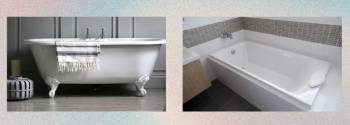
I examined Vikrell and acrylic tubs and shower bases after reviewing extensive owner reports and speaking with installers who work with both materials regularly.
Vikrell units felt solid underfoot with less flex when I stepped into the tub or stood in the shower.
The surface held up well against everyday use and showed fewer signs of stress cracking in long-term feedback.
Acrylic units offered a smoother glossier finish that many people find more pleasant to the touch.
They felt lighter during installation yet some models flexed noticeably under the weight of an adult.
Both materials cleaned easily with non-abrasive products and resisted basic staining when properly maintained.
Long-term ownership showed Vikrell earning more consistent praise for structural stability while acrylic received mixed comments about flexing and surface wear over time.
Overall the side-by-side comparison revealed Vikrell as the more rigid and impact-resistant option while acrylic delivered a smoother feel at the cost of greater flexibility.
Key factors such as underfoot stability surface durability installation weight and real owner satisfaction shaped the practical observations that follow.
Suitability for Different Household Types

Suitability for different household types depends on how the bathroom is used and what matters most to the people living there.
Busy households with children or multiple daily users often benefit from the greater rigidity of Vikrell.
The solid underfoot feel and higher impact resistance handle dropped bottles toys and frequent entry and exit with less risk of damage.
Families that want a surface that stays stable over years of heavy use tend to prefer this material.
Households that prioritize a smooth luxurious touch and a lighter installation may still lean toward quality acrylic.
Acrylic can deliver an appealing glossy finish that feels pleasant against the skin.
Quieter homes with careful users and strong base support can enjoy acrylic for many years without major issues.
The decision comes down to whether structural stability or surface refinement is the higher priority for your specific situation.
Matching the material to the real daily demands of the household produces the most satisfying long-term result.
Temperature Retention and Comfort in Use
Temperature retention and comfort in use are important for daily bathing and showering enjoyment.
Neither Vikrell nor acrylic holds heat as effectively as traditional cast iron yet both perform adequately for normal use.
Acrylic is often described as slightly warmer to the initial touch because the surface does not draw heat away from the skin as quickly.
Vikrell feels solid and stable and reaches a comfortable temperature once the water is running.
During a typical bath or shower the difference in heat retention is modest and most people adapt quickly to either material.
Comfort also includes the underfoot sensation.
Vikrell provides a more rigid platform that some users find reassuring.
Acrylic can flex slightly which a few people notice and others never think about.
Overall both materials deliver acceptable comfort when the unit is properly installed and the water temperature is set to personal preference.
Real-world comfort depends more on water temperature and bathroom ambient conditions than on large differences between the two surfaces.
Longevity Expectations and Real Owner Feedback
Longevity expectations and real owner feedback show clear patterns between the two materials.
Vikrell consistently receives stronger comments about structural stability and resistance to cracking over many years of service.
Owners frequently report that the material continues to feel solid and shows fewer signs of stress even in high-use bathrooms.
Acrylic longevity varies more widely and depends heavily on the thickness of the sheet and the quality of the installation support.
Thicker higher-grade acrylic can last well when properly backed yet thinner units are more prone to flexing and eventual surface fatigue.
Real owner feedback highlights that impact events and poor support shorten acrylic life more quickly than Vikrell life.
Both materials benefit from gentle cleaning and avoidance of abrasive products.
When those basic care steps are followed Vikrell more often reaches the upper end of expected service life according to the patterns seen in long-term reports.
Choosing the material that matches your household’s activity level improves the odds of lasting performance.
Also Read: Comparison Of Acrylic Vs. Porcelain Enameled Steel Bathtubs
Cost Value and Project Budget Considerations
Cost value and project budget considerations place both Vikrell and acrylic in accessible ranges for most bathroom projects.
Vikrell typically sits in a competitive mid-range price band and delivers strong durability relative to its cost.
Acrylic spans a wider spectrum from budget sheets to thicker premium versions.
Lower-priced acrylic can look appealing at purchase yet may flex more and show wear sooner.
Higher-grade acrylic approaches or exceeds Vikrell pricing while offering a smoother finish.
Total project cost also includes installation labor and any needed base support.
Vikrell’s greater weight can add a modest amount of labor time.
Acrylic’s lighter weight sometimes reduces handling effort.
Long-term value improves when the material matches household use and requires fewer repairs.
Budget planning should weigh initial price against expected years of solid performance.
Repair Options Scratch Resistance and Maintenance
Repair options scratch resistance and maintenance are manageable on both materials with proper care.
Acrylic scratches can often be reduced with fine polishing compounds when the damage is shallow.
Deeper gouges become more difficult to hide completely.
Vikrell resists impact better yet surface marks can be harder to blend seamlessly when they do occur.
Both materials clean well with mild non-abrasive cleaners and soft cloths.
Harsh scrubbing products dull the finish over time regardless of material.
Regular gentle cleaning prevents soap scum buildup and keeps the surface looking newer longer.
Avoiding dropped heavy objects remains the best protection for either choice.
Simple maintenance habits extend the usable life of Vikrell and acrylic units alike.
Installation Weight Support Requirements and Labor
Installation weight support requirements and labor differ in practical ways.
Acrylic is lighter and generally easier for installers to lift and position in tight bathroom spaces.
Vikrell is heavier and demands more careful handling yet provides greater rigidity once set.
Both materials require solid framing and proper base support to perform as designed.
Insufficient support allows flexing that shortens service life especially with acrylic.
Labor time can increase slightly with Vikrell because of the extra weight.
Experienced installers manage either material without major difficulty when the rough-in is prepared correctly.
Choosing the right support method matters more than the material weight alone.
Proper installation protects the investment regardless of which surface you select.
Surface Texture Cleaning and Appearance
Surface texture cleaning and appearance highlight different aesthetic preferences.
Acrylic delivers a smooth glossy finish that many people find refined and pleasant to the touch.
Vikrell offers a solid functional surface that feels more matte or lightly textured by comparison.
Both materials resist basic staining and respond well to mild cleaners.
Acrylic can lose some of its initial gloss if abrasive products are used repeatedly.
Vikrell maintains a consistent appearance with regular gentle care.
Visual preference often guides the final decision for homeowners focused on bathroom style.
Cleaning effort remains similar once the preferred non-abrasive routine is established.
Appearance stays attractive on both materials when basic maintenance is followed.
Also Read: Comparison Of Aquatic Vs. Sterling Bathtub
Impact Resistance and Long-Term Durability
Impact resistance and long-term durability give Vikrell a practical advantage in many households.
The composite structure handles dropped bottles and accidental knocks with less risk of cracking.
Acrylic performs adequately under careful use yet shows greater vulnerability to impact damage over years of service.
Long-term owner feedback notes fewer structural complaints with Vikrell in high-traffic bathrooms.
Acrylic longevity tracks closely with sheet thickness and the quality of the base support.
Thicker acrylic can last well while thinner units are more prone to stress and flex-related wear.
Choosing the more impact-resistant material reduces the chance of early damage in active homes.
Durability expectations improve when the material is matched to real daily conditions.
Pros and Cons Of Vikrell
Pros Of Vikrell
- High Impact Resistance: Stands up better to drops and daily knocks.
- Reduced Flexing: Feels solid and stable underfoot.
- Structural Rigidity: Maintains shape over years of use.
- Good Chip and Crack Resistance: Handles normal wear effectively.
- Consistent Long-Term Feedback: Owners often report lasting durability.
- Suitable for High-Traffic Bathrooms: Performs well in busy households.
- Molded Construction: Creates a seamless look in many units.
- Competitive Pricing: Sits in an accessible mid-range.
- Compatible with Standard Installs: Works with common plumbing setups.
- Stable Temperature Feel: Holds surface temperature reasonably well.
The Analytical Cons Of Vikrell
- Heavier Weight: Makes handling and installation more demanding.
- Less Glossy Surface: Finish feels less polished than premium acrylic.
- Repair Options Limited: Surface damage can be harder to blend perfectly.
- Fewer Ultra-Premium Designs: Style selection is more practical than luxurious.
- Slightly Textured Feel: Some users prefer a smoother touch.
- Color Options Can Be Restricted: Fewer specialty finishes in some lines.
- Requires Proper Support: Needs solid framing like any tub or base.
- Not Completely Scratch-Proof: Abrasive cleaners can still mark the surface.
- Brand-Specific Material: Primarily associated with Sterling products.
- Availability Tied to Specific Lines: Not offered by every manufacturer.
Pros and Cons Of Acrylic
Pros Of Acrylic
- Smooth Glossy Finish: Pleasant and refined to the touch.
- Lighter Weight: Easier to maneuver during installation.
- Wide Design Variety: Available in many shapes colors and styles.
- Comfortable Surface Feel: Preferred by users who want a silky touch.
- Good Stain Resistance: Cleans well with mild products.
- Relatively Easy Surface Repairs: Minor scratches can often be polished.
- Broad Manufacturer Support: Offered by numerous brands.
- Warm to the Touch: Feels less cold than some other materials.
- Flexible Design Options: Supports custom and freestanding looks.
- Established Market Presence: Familiar to most installers and homeowners.
The Analytical Cons Of Acrylic
- Noticeable Flexing: Can move under the weight of an adult.
- Lower Impact Resistance: More prone to cracking from heavy drops.
- Potential for Stress Cracks: Flexing over time can lead to damage.
- Requires Strong Support: Needs proper base or cradle to limit movement.
- Surface Can Dull: Abrasive cleaners or heavy use reduce gloss.
- Variable Quality by Brand: Thinner sheets perform worse than thicker ones.
- Repair Visibility: Larger damage can be harder to hide completely.
- Less Rigid Structure: Feels less solid than composite alternatives.
- Long-Term Wear Reports: Some owners note earlier surface fatigue.
- Installation Sensitivity: Poor support leads to faster problems.
Frequently Asked Questions (FAQs)
Vikrell is generally more rigid and impact-resistant while acrylic offers a smoother finish. The better choice depends on whether stability or surface feel matters more to you.
Yes. Vikrell is typically stronger and more durable than standard fiberglass.
Yes. Vikrell is considered a solid durable option for bathtubs especially where impact resistance and reduced flexing are priorities.
Potential issues include heavier weight during installation a less glossy surface feel and more limited repair blending if damage occurs.
Final Thoughts
I compared Vikrell and acrylic materials and found two capable options with distinct strengths.
The main intent remains giving you clear side-by-side observations on durability surface feel and ownership so you can decide with realistic expectations.
Vikrell leads in rigidity and impact resistance while acrylic provides a smoother finish and lighter weight.
You now have the detailed picture to select the material that best matches your priorities for stability comfort and long-term performance.
Recent Posts
Swiss Madison Toilet Reviews From My Experience: Is It Worth It?
I examined Swiss Madison toilets after seeing repeated owner complaints and decided to look at the real-world performance.The main intent of this article is to share practical observations on...
Kohler Cimarron Toilet Reviews From My Experience: Is It Worth It?
I examined the Kohler Cimarron toilet after seeing repeated owner complaints and decided to look at the real-world performance.The main intent of this article is to share practical observations...