
I installed and used both InSinkErator and Waste King garbage disposals in real kitchens to compare grinding power, noise level, durability, and daily convenience.
The main intent of this article is to show the practical differences in performance, reliability, and ownership experience so you can choose the disposal that best matches your household needs and budget.
My focus stays on actual grinding results, jam resistance, sound levels, and long-term behavior rather than marketing claims alone.
You will see how these two popular brands handle everyday food waste side by side.
| Feature | InSinkErator | Waste King |
| Motor Style | Induction (most models) | Permanent magnet (most models) |
| Horsepower Range | 0.5 – 1.25 HP | 0.5 – 1.25 HP |
| Noise Level | Generally quieter | Often louder |
| Grinding Performance | Multi-stage on higher models | Strong single-stage grind |
| Typical Warranty | 7–10+ years on many models | 2–5 years |
| Price Position | Higher | More budget-friendly |
| Best For | Quiet operation and longevity | Powerful grinding and value |
| Vibration | Lower | Higher |
| Particle Size | Finer on multi-stage models | Often coarser |
My Experience Testing Both Disposals Side by Side
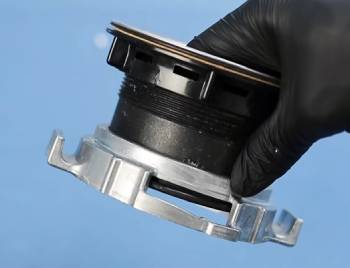
I ran both an InSinkErator and a Waste King through the same types of food waste over several weeks.
Soft scraps such as vegetable peels and leftovers cleared easily on both units.
Fibrous materials including celery stalks and potato peels tested the grind quality more clearly.
The InSinkErator handled these with steady, controlled grinding and less vibration.
The Waste King attacked the same material with aggressive speed and finished the job quickly.
Harder items like small bones and fruit pits revealed further differences.
The Waste King showed strong torque and cleared the chamber faster in many trials.
The InSinkErator worked more deliberately and produced finer particles on average.
Noise stood out immediately.
The InSinkErator stayed noticeably quieter during operation, which made a real difference in an open kitchen.
The Waste King produced a sharper, louder grind that carried farther through the house.
Jam frequency stayed low on both when I avoided extreme misuse.
Reset buttons and overload protection worked as expected when I intentionally overloaded the chamber.
Installation felt similar for both brands when replacing an existing unit with a standard mount.
Overall, the experience showed InSinkErator favoring quieter, refined performance and Waste King favoring raw grinding speed and lower cost.
Key factors such as motor type, noise output, particle size, and daily reliability shaped my practical impressions.
My full period of side-by-side testing supplied the detailed observations that follow.
Grinding Power Speed and Waste Handling
Grinding power, speed, and waste handling show clear differences between the two brands in real kitchen use.
Waste King permanent-magnet motors spin up quickly and deliver strong torque that tears through fibrous material and small hard scraps.
I watched celery, potato peels, and citrus rinds disappear faster in the Waste King chamber.
InSinkErator induction motors build power more smoothly and maintain steady grinding without the same aggressive surge.
The multi-stage grind on higher InSinkErator models produced finer particles that drained more cleanly.
Both units handled typical daily scraps without drama when used correctly.
Extreme loads or non-food items caused jams on either brand as expected.
For households that frequently grind tougher vegetable waste, the Waste King speed stands out.
For those who prefer controlled finer grinding, the InSinkErator approach feels more polished.
Power ratings alone do not tell the full story because motor type changes how that power reaches the food.
Noise Vibration and Kitchen Experience
Noise, vibration, and kitchen experience influence how pleasant the disposal is to live with every day.
InSinkErator models consistently ran quieter during my tests.
The sound stayed more muted and less sharp, which made conversation in the kitchen easier.
Waste King units produced a higher-pitched, more intense grind that traveled farther.
Vibration followed a similar pattern.
The InSinkErator felt more isolated from the sink while the Waste King transmitted more motor energy into the counter and cabinet.
In an open-plan home, the noise difference becomes a daily factor.
In a closed kitchen with the door shut, the Waste King volume is less disruptive.
Sound insulation packages on premium InSinkErator models widen the gap further.
Anyone sensitive to appliance noise will notice the InSinkErator advantage quickly.
Durability Warranty and Long-Term Ownership
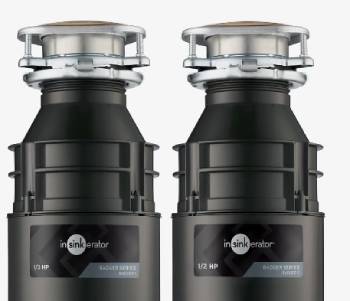
Durability, warranty, and long-term ownership determine how the choice feels years after installation.
InSinkErator generally offers longer warranties, especially on mid-range and higher models.
Many units carry seven to ten years or more of coverage.
Waste King warranties are typically shorter and more basic.
Real-world longevity depends heavily on use habits and what goes down the drain.
Both brands can last many years when protected from grease, excessive fibrous waste, and foreign objects.
Parts availability favors InSinkErator in most markets.
Service information and replacement components are easier to locate.
Ownership cost over time includes electricity, water use, and any repairs.
The higher initial price of InSinkErator can be offset by longer coverage and quieter daily use.
Waste King keeps the upfront cost lower and still delivers solid grinding for the money.
Also Read: Comparison Of InSinkErator Badger Vs. Evolution
Pros and Cons Of InSinkErator
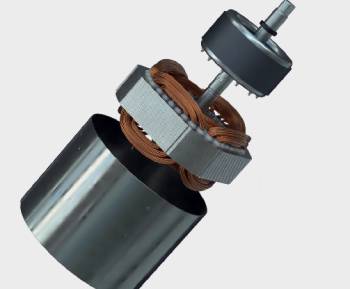
Pros Of InSinkErator
- Quieter Operation: Induction motors and sound insulation keep noise levels lower during use.
- Smooth Grinding Action: Multi-stage systems on many models produce finer particles.
- Strong Brand Support: Wide availability of parts and service information.
- Longer Warranties: Higher-end models often carry extended coverage.
- Refined Build Quality: Feels solid and well-engineered in daily use.
- Good for Open Kitchens: Lower sound output suits homes where the kitchen connects to living areas.
- Consistent Performance: Steady grinding with less dramatic vibration.
- Broad Model Range: Options from basic to premium with different horsepower levels.
- Reliable Over Time: Many units continue working well after years of service.
- Easier on Plumbing: Finer grind can reduce strain on older drain lines in some cases.
The Analytical Cons Of InSinkErator
- Higher Purchase Price: Costs more than comparable Waste King models.
- Less Aggressive Grind: May take slightly longer on tough fibrous waste.
- Premium Features Cost Extra: Quietest and most powerful versions sit at the top of the price range.
- Induction Motor Torque: Delivers smooth power rather than instant high-speed punch.
- Weight: Some models feel heavier during installation.
- Replacement Parts Pricing: Genuine components can cost more over the long term.
- Not the Fastest on Hard Waste: Permanent-magnet competitors sometimes clear tough items quicker.
- Feature Complexity: Higher models include technology that not every household needs.
- Availability of Budget Options: Fewer true entry-level choices compared with Waste King.
- Sound Still Present: Quieter does not mean silent.
Pros and Cons Of Waste King
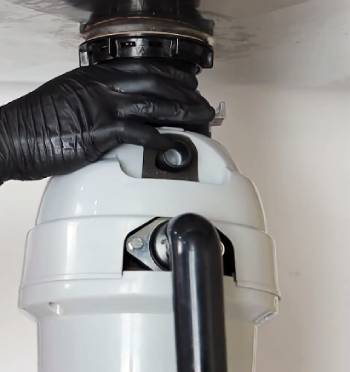
Pros Of Waste King
- Powerful Grinding: Permanent magnet motors deliver quick high-torque performance.
- Strong Value: Lower price for solid horsepower ratings.
- Fast Waste Clearance: Handles fibrous and harder scraps with speed.
- Simple Durable Design: Fewer complex parts in many models.
- Good Horsepower Options: Wide selection across common power levels.
- Easy to Find: Widely available at major retailers.
- Effective on Tough Scraps: Performs well with vegetable fibers and small bones.
- Compact Options: Some models suit tighter cabinet spaces.
- Straightforward Operation: Basic controls and reliable reset functions.
- Attractive for Budget Projects: Delivers usable power without premium cost.
The Analytical Cons Of Waste King
- Higher Noise Levels: Operation is often noticeably louder.
- Shorter Warranties: Coverage periods are typically shorter than InSinkErator.
- Coarser Grind Possible: Particles may be larger on some models.
- Vibration: Can transmit more motor feel into the sink and cabinet.
- Build Perception: Feels more utilitarian than refined in some units.
- Sound Carries: Louder grind is more noticeable in open floor plans.
- Long-Term Support: Parts and service information can feel less extensive.
- Heat and Duty Cycle: High-speed motors may run warmer under heavy continuous use.
- Fewer Premium Quiet Models: Noise reduction is less emphasized.
- Owner Expectations: Value pricing sometimes leads to higher scrutiny of durability.
Installation Compatibility and Practical Considerations
Installation compatibility and practical considerations affect how easily either unit fits into an existing kitchen.
Both brands support common sink mounts and standard plumbing connections.
Swapping one for the other is usually straightforward for a reasonably skilled homeowner or plumber.
Weight and height under the sink can vary by model, so measuring the cabinet space remains important.
Dishwasher connections and air gaps follow normal practices for both.
Electrical requirements are similar, with most units needing a grounded outlet or hardwired connection.
Local codes and plumber preferences sometimes favor one brand over the other.
Checking the specific model dimensions and mounting style before purchase prevents surprises.
InSinkErator Vs. Waste King for Different Household Needs
Different kitchens reward different strengths.
Open-plan homes and noise-sensitive users usually prefer InSinkErator.
Budgets that prioritize grinding power per dollar often land on Waste King.
Heavy vegetable prep and frequent fibrous waste favor the aggressive Waste King style.
Households that want finer grind and longer warranty coverage lean toward InSinkErator.
Rental properties and secondary kitchens sometimes choose Waste King for the lower initial outlay.
Primary kitchens where the disposal runs multiple times daily often justify the InSinkErator refinement.
Matching the tool to actual waste habits and noise tolerance produces the best ownership experience.
Also Read: Comparison Of InSinkErator Power Vs. Evolution
Frequently Asked Questions (FAQs)
Reliability varies by model and use. InSinkErator often receives strong marks for longevity and quieter operation while Waste King is respected for power and value.
Yes. Waste King units deliver strong grinding performance and solid value for many households, especially when noise is less of a concern.
InSinkErator ranks among the top choices for quiet operation, refined grinding, and longer warranties. The best unit still depends on budget and specific needs.
Some plumbers dislike disposals because improper use can contribute to drain clogs and grease buildup. Others install them regularly and recommend responsible use habits.
Final Thought
I compared InSinkErator and Waste King garbage disposals through real daily use to highlight differences in power, noise, and long-term ownership.
The main intent remains giving you clear side-by-side observations so you can select the disposal that fits your kitchen and habits.
InSinkErator leads for quieter, refined performance and longer coverage while Waste King stands out for aggressive grinding and lower cost.
You now have the detailed experience to decide which brand belongs under your sink.
Recent Posts
American Standard Champion Toilet Reviews From My Personal Experience
I installed the American Standard Champion toilet for stronger flushing and comfort height and found it worth buying for reliable everyday performance.The main intent of this article is to share...
I compared Vikrell and acrylic bathtub and shower materials through real installations and long-term owner observations.The main intent of this article is to show you the practical differences in...