
If a push pull water valve is stuck, don’t force it immediately.
These fixture shutoff valves can seize because of mineral buildup, aging internal seals, long periods without movement, high water pressure, or a damaged stem. Some push-pull valves are designed differently from ordinary quarter-turn or multi-turn stops, so aggressive twisting can crack the valve or pipe.
Here’s how to troubleshoot it safely.
Push Pull Water Valve Stuck: Quick Guide
| Problem | Likely Cause | Best First Step |
| Valve won’t pull out | Mineral buildup or seized internal seal | Relieve pressure and work gently |
| Valve won’t push in | Stem or internal O-ring binding | Do not force |
| Valve feels gritty | Scale/debris inside mechanism | Exercise gently |
| Valve moves but won’t shut off | Internal seal failure | Replace valve |
| Valve leaks when moved | Worn O-ring or body seal | Replace if leak persists |
| Valve twists on pipe | Connection is moving | Stop and support pipe |
| Handle/stem breaks | Plastic fatigue or excessive force | Replace valve |
| Valve has not moved for years | Internal seals have stuck | Work slowly or replace |
| Water still flows when “off” | Valve not sealing internally | Replace valve |
| Valve cannot be trusted | Aging push-pull stop | Upgrade to quarter-turn stop |
Why Do Push-Pull Water Valves Get Stuck?
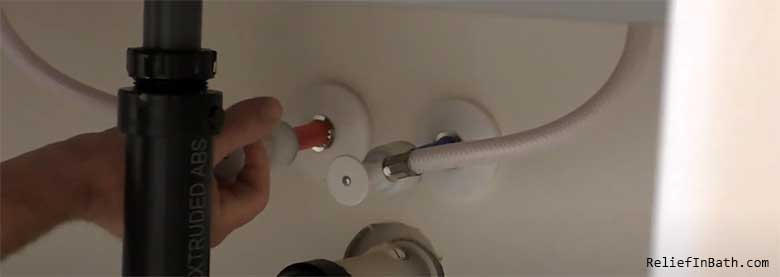
It’s fairly common for push-pull water valves to get stuck for multiple reasons. The most obvious reason is the fact that we barely use them.
If you think about it, these things remain unused for a long time. Often, years go by before we feel the need to use them.
There are a few key issues that can cause a smooth-operating push-pull valve to become stiff and immovable over time:
- Mineral Buildup
Hard water deposits slowly accumulate on the internal components of the valve assembly. These mineral deposits restrict the normal low-friction movement of the parts.
- Rust and Corrosion
Exposure to moisture causes the metal internal parts of the valve to rust and corrode. Rust expands and creates friction that prevents normal operation.
- Plastic Deformation
Long-term strain on the plastic handle can cause it to bend or deform slightly. This puts pressure on the valve parts.
- Loose Parts
Vibration and use over time can loosen the fittings holding the valve components together. Loose parts grind or bind.
- Foreign Debris
Small stones, metal chips, Teflon tape, or other construction debris introduced during installation or repairs can interfere with valve operation.
- Chemical Damage
Harsh cleaning agents, mineral deposits, and high water pressure can degrade rubber washers and plastic components over many years, making them stiff and less pliable.
Also Read: Reasons For Symmons Shower Valve Low Water Pressure.
1. Mineral Buildup Can Make the Valve Stick
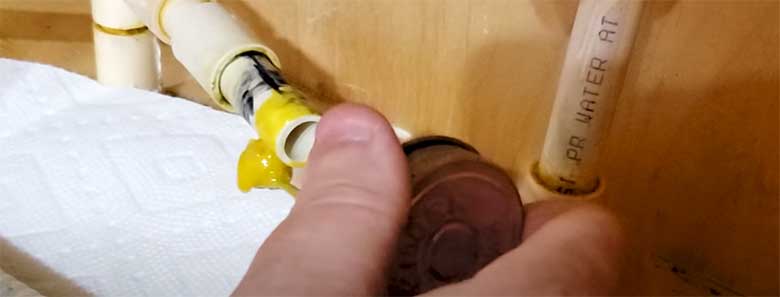
Hard water is a common cause of stiff plumbing valves.
Mineral deposits can accumulate around:
- Stem
- O-rings
- Internal sealing surfaces
- Moving plastic components
A valve that once moved easily may gradually become difficult to operate.
This is especially common when the valve has not been used for years.
What to Try
Use steady, gentle pressure.
Try moving the valve only slightly at first rather than yanking it through its full travel.
Repeated small movements can sometimes free light deposits.
If the valve refuses to move, stop before something breaks.
2. Internal O-Rings Can Stick
Push-pull valves often depend on O-rings or similar seals.
Over time, those seals can:
- Harden
- Swell
- Lose lubrication
- Bond slightly to surrounding surfaces
That can make the control feel frozen.
The temptation is to grab the stem with pliers.
Avoid that unless the manufacturer specifically instructs you to.
Plastic stems can crack or deform.
3. Water Pressure Can Make Movement Harder
A shutoff valve is operating against pressurized water.
If it already has some internal friction, system pressure can make it feel even harder to move.
If you plan to service or replace the valve:
- Shut off the main water supply.
- Open a nearby faucet.
- Relieve pressure from the line.
- Place a towel and bucket below the valve.
Then test the stuck valve again.
Do not disassemble a fixture stop while the line is pressurized.
Also Read: Differences Between Korky Fill Valve And Fluidmaster.
4. Valve May Be Stuck Because It Has Never Been Used
Fixture stop valves can remain untouched for many years.
A toilet shutoff may only be operated when:
- Toilet is repaired
- Supply line is replaced
- Bathroom is remodeled
A valve that has stayed in one position for 10 or 15 years can become difficult to move simply because its seals and moving components have aged in place.
This is one reason periodically exercising shutoff valves can be helpful.
5. Do Not Force the Valve With Pliers
This is one of the easiest ways to turn a small plumbing problem into a large one.
Excessive force can:
- Break the plastic stem
- Crack the valve body
- Pull the valve off the pipe
- Damage the supply pipe
- Create an uncontrolled leak
If the valve is mounted on CPVC or older plastic pipe, the risk deserves even more attention.
If moderate hand pressure does not move it, consider replacement rather than brute force.
6. Valve Moves but Water Still Flows
A stuck valve and a failed valve are slightly different problems.
If you manage to pull the valve closed but water continues flowing to the toilet or faucet, the internal seal may no longer be working.
Possible causes include:
- Damaged O-ring
- Worn sealing surface
- Debris inside valve
- Cracked internal component
At this point, repeated operation is unlikely to restore dependable shutoff.
Replacement is usually the better repair.
7. Valve Leaks After You Move It
An old valve may remain dry for years and begin leaking the first time you operate it.
Movement can disturb aging seals.
Look for water around:
- Stem
- Valve body
- Pipe connection
- Supply-line connection
A few drops are enough to take seriously.
Dry the area and watch closely.
If the valve continues leaking, shut off the main supply and replace it.
Also Read: Is Avalon Water Dispenser Worth It?
8. Can You Lubricate a Push-Pull Valve?
Sometimes external lubrication around a moving stem may appear helpful, but you should be cautious.
Do not spray random petroleum products into a potable-water valve.
Products such as:
- Penetrating oil
- Automotive grease
- General-purpose petroleum lubricant
may not be approved for contact with drinking water or the valve’s seals.
If lubrication is specifically allowed, use only a manufacturer-approved or potable-water-compatible lubricant.
In many cases, a badly seized inexpensive fixture stop is better replaced than lubricated experimentally.
9. Vinegar Can Help With External Mineral Deposits
If visible mineral buildup exists around the exposed moving area, white vinegar can help soften calcium deposits externally.
You can:
- Shut off the water if necessary.
- Apply vinegar to the mineral-encrusted exterior.
- Let it sit briefly.
- Wipe away loosened deposits.
Do not soak electrical equipment or surrounding finishes that can be damaged by acid.
And don’t expect vinegar applied externally to repair a failed internal seal.
10. The Valve Itself May Be Damaged
Plastic push-pull stop valves can eventually develop:
- Cracked bodies
- Broken stems
- Deformed handles
- Failed internal seals
If the valve feels unusually loose, crooked, or inconsistent, replacement is safer than continued operation.
A fixture shutoff should be reliable because you may need it quickly during a leak.
If you want to replace it yourself, watch this video!
How To Prevent Push-Pull Water Valves From Getting Stuck?
You obviously know how irritating it can be to find your valve stuck. After all, that’s why you are out here on the internet, looking for a solution.
Well, you can take some preventive measures to reduce the chance of it ever happening.
As we’ve mentioned before, water valves get stuck mainly due to leaving them unused. Most of us are guilty of using the valves only when the need arises.
If you push and pull the valve regularly even if you don’t need to, the component will remain functional. As a result, it won’t get stuck all that easily.
Lubricating the valve every once in a while can be a good practice as well. This will keep the rust at bay, and your part will remain smooth for a long time.
You should move every valve in your home at least twice a year to prevent this annoying issue. To make the job easier, try setting reminders on your phone or mark the day you want to move your valve on your calendar.
This way, you’re less likely to forget!
Troubleshooting Specific Push-Pull Valve Types
Certain styles of push-pull valves have unique sticking points to be aware of:
1. Gate Valves
Gate valve stems are prone to mineral buildup because of small clearances and their tendency to get slightly misaligned. Ensure the gate is fully raised into the valve body before turning the stem.
2. Ball Valves
Ball valves usually stick due to flattened seals. Replace the seals and lubricate the plastic ball with silicone spray. Avoid overtightening during reassembly.
3. Globe Valves
Stuck globe valves usually have bent stems. Straighten or replace the stem and repack the packing nut with fresh plumber’s tape to reduce friction.
4. Diaphragm Valves
Make sure the diaphragm rubber is pliable and smooth. Hard or improperly seated diaphragms prevent the valve from sealing and operating properly.
5. PVC Valves
Lubricate stuck PVC valves with silicone oil, not petroleum grease which can degrade plastic. Don’t overtighten seals – they just need to be hand tight.
When to Call a Professional
If you’ve tried all the at-home remedies without success, it’s time to call a plumber. A pro has specialized tools and expertise to free extremely stuck valves and repair stem and seal damage.
They can also install a new valve if needed. Leaving a stuck major water valve unfixed is never a good idea!
Frequently Asked Questions (FAQs)
Here are a few frequently asked questions about water valves.
Regular maintenance is a good way to keep your valves functional for a long time. Maintenance shouldn’t only be done when you run into problems. Keep track of the functionality of these components. It’s best to do maintenance at least twice or thrice a year. This will save you a lot of hassle in the long run.
Water valves usually last a long time without malfunctioning. However, they may break for various reasons. When that happens, you should replace the old valve with a new one. You may want to ask your plumber to help with that unless you’re confident about your plumbing abilities.
Technically, it’s not impossible but it’s not recommended. You can keep the water running but you have to be quick to fix the problem. This creates more room for errors.
The price of water valves varies depending on the type of the valve, the quality, and the brand. Plumbers charge differently as well. The cost of replacing a water valve can range from $200 to over $1000.
A can of penetrating oil may be the best option thanks to its low viscosity, allowing the lubricant to reach into the tightest spaces. They are great for freeing rusted parts. Products like WD-40 and JB-80 will come in handy. Fortunately, they are likely to be available at your nearest local hardware store.
Use penetrating lubricant, tap gently with a hammer, leverage with a wrench, remove and clean internal parts, and replace rubber seals and washers as needed. Taking the valve fully apart is key for extreme stuck valves.
Conclusion
Finding your push pull water valve stuck isn’t something you would want to ever happen. Now that you’ve read our article, you know what causes this problem, and how to solve it.
Remember to take preventive measures to prolong the lifespan of your water valve.
Feel free to ask your plumber to help if nothing seems to work because the problem may be too severe.
Recent Posts
2026 Bathroom Remodel Estimator Bathtub to Shower Conversion Cost Calculator Accurately calculate the true cost of converting your old bathtub into a modern walk-in shower. Estimates acrylic...
I used the Philips Multigroom 5000 for several weeks of beard hair and body grooming while tracking cutting performance battery life ease of cleaning and everyday versatility.You should buy this...