
Finding a truly reliable method for keeping your household or office space continuously hydrated can frequently lead you directly into a sea of sleek stainless steel cabinets, highly enticing digital control panels, and promises of crisp, ice-cold water on demand.
You are likely reading this detailed analysis because you want to discover if an Avalon water dispenser can genuinely handle the constant physical demands of your daily family or workplace routine without leaking all over your pristine flooring or suffering from serious mechanical breakdowns.
In this objective, structurally thorough product investigation, my focus centers entirely on evaluating the electrical, physical, and mechanical real-world performance of these highly popular hydration appliances.
You need to know exactly where people should buy this product to secure authentic manufacturing protections and reliable return windows if you choose to proceed, yet you must also see why its significant functional vulnerabilities mean it will likely fail your long-term expectations.
My Firsthand Experience With The Dispenser
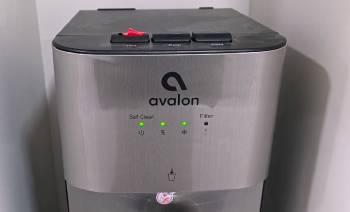
My personal history with this large hydration appliance began when I decided to upgrade my home kitchen setup with a bottom-loading unit that would completely eliminate the back-breaking chore of lifting heavy, sloshing five-gallon jugs upside down.
I settled on one of their highly prominent, freestanding stainless steel models that featured three distinct temperature paddles, a built-in ozone self-cleaning mechanism, and a sleek dark front panel designed to blend with modern kitchen appliances.
Unboxing the unit, I felt quite optimistic because the exterior metallic cabinet felt reasonably sturdy, and the compact footprint fit perfectly into an unused corner right next to my dining table setup.
The initial setup seemed incredibly straightforward as I slid the first water bottle into the bottom cabinet, hooked up the stainless steel probe tube, and flipped on the rear heating and cooling switches.
For the first few weeks of stationary household use, the appliance appeared to operate adequately, delivering scorching hot water for my morning tea and moderately chilled water for afternoon hydration.
However, the operational integrity and reliability of the appliance began to deteriorate rapidly once it encountered the continuous, multi-month demands of a busy domestic environment.
The first major issue emerged within less than ninety days when a highly persistent, distinctly chemical and metallic aftertaste began to taint every single glass of water drawn from the cold reservoir.
Despite running multiple manual flushing cycles with clean water and activating the built-in ozone sanitization system exactly as prescribed by the manufacturer, this foul, moldy flavor remained deeply embedded inside the internal plastic lines.
Shortly after the taste issues began, the physical mechanics of the pumping system started to exhibit alarming signs of structural strain and instability.
The internal motorized pump, which was reasonably quiet during the first month, grew progressively louder over time, eventually emitting a harsh, rattling vibration that would resonate through the kitchen walls every single time someone pressed a dispensing paddle.
Worse still, the internal thermometer mechanism failed completely during a warm summer week, causing the water inside the cold reservoir to freeze completely solid into a dense block of ice.
This freezing defect blocked the internal water channels entirely, rendering the machine completely incapable of dispensing a single drop of liquid and forcing me to manually unplug the unit for an entire day just to thaw the internal components.
When the system finally thawed out, the cheap plastic internal float switch failed to accurately register the fluid levels, which caused the motorized pump to run continuously while dry, generating immense heat and creating a highly dangerous scenario before I quickly shut it down.
Care Protocols: Maintenance Tips for Longevity
Keeping the internal reservoirs and mechanical water lines of a complex dispensing appliance free from biological contamination requires strict adherence to specialized sanitization workflows.
- Advanced Internal Sanitization and Flushing
The hidden internal tanks of a freestanding water dispenser are highly susceptible to picking up stagnant biofilm layers if they are not chemically sanitized every few months.
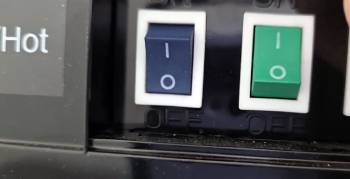
Always turn off the rear electrical switches and disconnect the main power plug from your wall outlet before starting any cleaning protocol.
Drain out every single drop of remaining water from both the front dispensing paddles and the rear drain port located on the back of the machine.
Mix a sanitization solution consisting of one tablespoon of unscented liquid bleach combined with one gallon of clean, filtered water.
Pour this solution directly into the primary internal reservoir using a clean funnel through the top opening after removing the bottle connector mechanism.
Let the chemical mixture sit inside the internal lines for exactly fifteen minutes to break down any microscopic mold colonies or bacterial buildup.
Flush the entire system by running at least three full gallons of fresh water through all three front taps until the scent of bleach is completely undetectable.
- Mechanical Component Care and Troubleshooting
Protecting the sensitive motorized pump and electrical heating coils involves avoiding common operational mistakes.
Never leave the heating or cooling switches turned on if the water bottle inside the bottom cabinet is entirely empty.
Running the heating elements without a continuous supply of water will instantly burn out the thermal fuses, rendering the hot water function completely inoperable.
Regularly inspect the stainless steel water probe that drops into the five-gallon jug for signs of mineral scaling or discoloration.
Wipe down this metallic probe with a microfiber cloth dipped in pure white vinegar once a month to prevent calcium crusts from clogging the tiny intake holes.
Keep the physical condenser coils located on the back of the machine entirely free from household dust and pet hair.
Vacuum these black metal grilles every six months using a soft brush attachment to ensure the cooling compressor can reject heat efficiently without overheating.
- Environmental Placement and Storage Safety
Ensuring the appliance operates within safe parameters requires proper physical positioning and structural support.
Do not place the dispenser flush against a kitchen wall under any circumstances.
You must maintain a minimum gap of four inches of open space behind the rear grille to allow adequate air circulation around the compressor motor.
Avoid exposing the unit to direct sunlight or placing it right next to a hot kitchen oven, as external heat sources will force the cooling system to run constantly.
If you plan to leave your home vacant for more than a week, always drain the internal tanks completely and leave the cabinet door slightly unlatched.
This prevents stagnant humidity from trapping inside the dark bottom compartment, keeping mold from overtaking the internal components while you are away.
Structural Faults: Pros and Cons Analysis
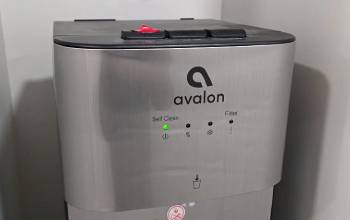
Unpacking the structural value of this appliance requires balancing its immediate cosmetic features against its recurring engineering failures and component vulnerabilities.
The Pros:
- Convenient bottom-loading cabinet configuration: The physical layout eliminates the grueling physical necessity of lifting heavy five-gallon water jugs high into the air during routine bottle changes.
- Highly responsive three-temperature dispensing paddles: The front interface provides separate physical triggers for icy cold, room temperature, and piping hot water streams to suit diverse user preferences.
- Clean and space-saving aesthetic design: The narrow metallic cabinet takes up very little physical floor area while contributing a modern look to office breaks or kitchens.
- Integrated child safety lock on the hot water trigger: The mechanical release requires a dual-action push to prevent children from accidentally scalding themselves with hot water.
- Built-in nightlight feature for nighttime navigation: A small LED bulb illuminates the central dispensing bay so you can easily fill a glass in the dark without spilling.
- Removable plastic drip tray for easy cleaning: The catch basin slides out easily to allow you to dump away small pools of water that overflow during rapid dispensing.
The Cons:
- Recurrent internal leaking from the reservoir connections: The physical joints surrounding the primary internal holding tanks frequently fail over time, resulting in extensive puddles forming on kitchen floors.
- Rapid development of persistent chemical and moldy tastes: The internal plastic tubing materials tend to retain organic odors and chemical manufacturing residue that ruins the water flavor.
- Highly fragile internal thermostat sensors prone to freezing: The cooling regulation components break easily, causing the internal reservoir to turn into solid ice and block all water flow.
- Inadequate and highly unresponsive customer support frameworks: When your unit suffers a major mechanical defect, the brand frequently forces you to navigate tedious email-only troubleshooting loops.
- Defective door safety switches that halt operation: The small plastic contact button that registers whether the bottom cabinet door is fully closed can break or misalign instantly.
- Absurd warranty replacement policies requiring cord destruction: The corporate claims department routinely demands that you physically cut the power cord and scrap the entire chassis for minor issues.
Direct Comparisons: Avalon Water Dispenser Vs. Other Hydration Brands
- Avalon Water Dispenser Vs. Primo Water Dispenser
The Primo water dispenser line focuses heavily on industrial-grade reliability, utilizing heavy-duty internal pumps and highly robust internal sealing rings that resist leaking under long-term pressure.
Primo systems also feature highly accessible customer support channels and readily available replacement parts through major home improvement retailers.
The Avalon dispenser relies on significantly thinner internal plastic water lines and fragile thermostat sensors that are notorious for failing after a year of use.
While Avalon looks slightly more modern, Primo provides a far more stable mechanical platform that handles the daily stress of bottle exchanges without throwing error codes.
- Avalon Water Dispenser Vs. Brio Water Dispenser
Brio water dispensers stand out due to their advanced, multi-stage filtration setups that incorporate premium reverse osmosis options to thoroughly purify water right inside the cabinet.
Brio uses heavy-gauge stainless steel for both its hot and cold internal holding tanks, ensuring exceptional thermal retention and structural resistance against internal cracking.
The Avalon brand focuses more on basic lifestyle features, resulting in weaker filtration capabilities and a higher frequency of plastic-tasting water.
Brio also provides highly customizable digital temperature controls on their premium models, whereas Avalon limits you to basic, non-adjustable mechanical switches.
- Avalon Water Dispenser Vs. Whirlpool Water Dispenser
The Whirlpool commercial-grade water cooler utilizes a highly robust, professional-grade cooling compressor that chills water to near-freezing temperatures far faster than the competition.
Whirlpool constructs its outer chassis with heavy, impact-resistant plastics and thick metal framing designed to withstand heavy physical abuse in commercial office environments.
The Avalon unit feels notably lighter and is highly susceptible to arriving at your home with deep shipping dents or misaligned cabinet doors.
Whirlpool’s continuous-cleaning technology also functions far more effectively at neutralizing bacteria than Avalon’s unreliable, highly criticized ozone cycle.
- Avalon Water Dispenser Vs. Costway Water Dispenser
Costway offers highly budget-friendly water dispensing options that cater specifically to consumers looking for baseline utility without spending a significant amount of upfront cash.
While Costway models are simpler and lack advanced cosmetic aesthetics, their basic mechanical operations are remarkably straightforward and easy to troubleshoot yourself.
The Avalon dispenser charges a significant premium for its sleek styling, yet it includes complex, fragile electronic components that break far more frequently than Costway’s basic designs.
Costway also offers excellent tabletop models that present fewer structural points of failure than Avalon’s large freestanding towers.
- Avalon Water Dispenser Vs. Clover Water Dispenser
Clover water coolers are widely recognized in the commercial water delivery industry as the absolute gold standard for pure, uncompromised mechanical longevity.
Clover units bypass flashy digital bells and whistles entirely, focusing instead on high-capacity copper refrigerant lines and bulletproof mechanical dispensing valves that last for decades.
The Avalon machine uses cheap plastic dispensing paddles that can crack at the pivot pins if pressed too firmly by an eager user.
Clover’s long-term operational lifespan easily outclasses Avalon’s tendency to break down or suffer from frozen reservoirs shortly after the basic warranty window expires.
Frequently Asked Questions (FAQs)
The best brand of water dispenser for long-term reliability and commercial-grade durability is Clover, followed closely by Brio for those who require advanced internal filtration systems and adjustable temperature controls.
Primo is substantially better than Avalon because it features more robust internal water pumps, highly dependable thermostat components, and far superior customer service support when mechanical failures or shipping damages occur.
Your Avalon dispenser tastes bad due to a combination of cheap internal plastic water lines leaching chemical residues into the water and the rapid accumulation of biological biofilm inside the hidden, hard-to-clean cold reservoir.
Avalon water filters typically last for six months or roughly six hundred gallons of total dispensed water, though heavily contaminated tap water lines can easily clog the porous carbon blocks within less than four months.
Final Thoughts
Securing a reliable, safe, and durable hydration appliance requires prioritizing heavy-duty mechanical engineering, leak-proof reservoir seals, and highly responsive customer service networks over mere visual styling.
While the aesthetic choices, convenient bottom-loading layouts, and attractive digital lights of these modern water coolers look highly appealing on paper, the severe consumer complaints regarding major room floods, frozen internal tanks, and chemical taste issues mean I cannot recommend this brand for long-term domestic use.
To ensure you receive proper customer support channels and reliable return windows if you decide to buy, individuals looking to explore these models should buy this product exclusively from authorized big-box retailers or certified home improvement stores where consumer protection policies are actively enforced.
Invest your hard-earned money into a robustly constructed, mechanically sound water dispenser that will reliably protect your home from water damage and keep your drinking water tasting completely fresh.
Recent Posts
2026 Bathroom Remodel Estimator Bathtub to Shower Conversion Cost Calculator Accurately calculate the true cost of converting your old bathtub into a modern walk-in shower. Estimates acrylic...
I used the Philips Multigroom 5000 for several weeks of beard hair and body grooming while tracking cutting performance battery life ease of cleaning and everyday versatility.You should buy this...