
I have found that choosing between porcelain and ceramic tile for your shower can feel overwhelming when you want something durable, beautiful, and easy to maintain for years.
The main intent of this article is to share my honest, first-person comparison after renovating two bathrooms so you can decide which tile fits your lifestyle, budget, and shower needs better.
You should read this if you are planning a shower remodel and want clear answers without sales hype.
Porcelain Vs. Ceramic Tile for Shower Comparison Table
| Feature | Porcelain Tile | Ceramic Tile |
| Water Absorption | Very low (highly water-resistant) | Higher (more porous) |
| Durability | Extremely durable, scratch-resistant | Good but more prone to chipping |
| Maintenance | Very low, easy to clean | Moderate, needs more sealing |
| Cost | Higher upfront | More affordable |
| Appearance | Modern, sleek, uniform | Classic, more color variety |
| Best For | High-moisture showers, heavy use | Budget bathrooms, less water exposure |
| Slip Resistance | Can be textured for safety | Often requires added treatments |
| Longevity | 20+ years with proper installation | 10-15 years typically |
My Real Experience Comparing Porcelain and Ceramic Tile for Shower
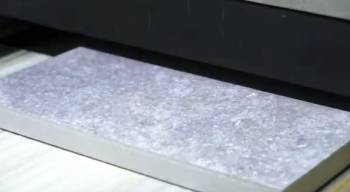
I remember standing in the tile aisle feeling completely lost because both porcelain and ceramic looked beautiful, but the price difference was significant.
I am someone who has renovated two bathrooms in the last five years and I wanted tiles that would last without constant maintenance.
I started with ceramic tile in my first shower remodel because it was more affordable and came in beautiful colors. I found that upon installation it looked stunning with its glossy finish.
However, after six months I noticed water spots and slight discoloration in the grout lines. The tile itself held up okay, but the higher absorption rate meant it required more sealing and cleaning to prevent mold in the humid environment.
I am a user who values low maintenance and I realized ceramic demanded more attention than I expected.
During showers, water beaded less effectively, and I had to wipe down the walls more often to avoid soap scum buildup.
The color variety was nice, but the practical performance left something to be desired in a wet area.
I eventually decided to use porcelain tile in my second bathroom remodel. I found that upon installation the difference was immediate.
The porcelain had a denser, less porous body that resisted water penetration far better. The grout stayed cleaner longer, and the overall surface felt more resistant to everyday wear.
I noticed that after a full year of heavy use, the porcelain shower still looked nearly new with minimal effort. The water beaded up beautifully, and cleaning took half the time compared to the ceramic one. I realized that the higher upfront cost was paying off in reduced maintenance and better longevity.
I am now at the point where I strongly prefer porcelain for any wet area in my home. The peace of mind knowing the tile can handle constant moisture without degrading has been worth the extra investment.
I have found that porcelain’s uniform density makes it less likely to crack or chip when something drops in the shower.
The ceramic tile in my first bathroom showed small chips after a shampoo bottle fell, while the porcelain has remained flawless.
I realized that the manufacturing process for porcelain, which involves higher firing temperatures, creates a stronger material that stands up to the harsh bathroom environment.
You should realize that this technical difference translates directly to real-world performance.
I found that both tiles can look beautiful when installed well, but porcelain maintains its beauty with far less effort.
The subtle variations in ceramic can add character, but in a shower, that character often turns into maintenance headaches.
I noticed that guests always comment on how clean and fresh my porcelain shower looks, while the ceramic one required more frequent deep cleaning to achieve the same appearance.
I am a person who has learned through experience that tile choice impacts daily life more than most people expect. The right decision saves time, money, and frustration over the years.
I eventually realized that porcelain’s lower water absorption rate makes it the superior choice for showers, even if the initial cost is higher. The long-term benefits far outweigh the extra expense.
I found that proper installation is crucial for both, but porcelain forgives small installation imperfections better due to its density.
I noticed that the grout in porcelain showers stays whiter longer because less moisture penetrates the tile body.
I am someone who has become picky about bathroom materials and I realized porcelain has earned my trust for wet areas.
I have found that the decision between porcelain and ceramic is ultimately about priorities. If budget is tight and the shower is used lightly, ceramic can work. For primary showers with frequent use, porcelain is the smarter long-term choice.
Also Read: My Thoughts On Horsepower Unicorn Toilet Brush
Pros and Cons of Porcelain Tile for Shower

Pros of Porcelain Tile for Shower
- Superior Water Resistance: Porcelain has very low water absorption due to its dense composition. I found that water beaded up on the surface instead of soaking in. This results in less mold risk and easier cleaning. I noticed the grout stayed cleaner longer. I realized this makes it ideal for constant moisture exposure.
- The low absorption rate means the tile does not expand or contract as much with temperature changes, reducing crack risk. I found my porcelain shower has remained crack-free even after hot and cold water cycles for years. This durability gives peace of mind in a wet environment.
- Excellent Durability and Scratch Resistance: The hard surface stands up to daily use without showing wear. I found dropped bottles or razors did not chip the tile. This results in a shower that looks new for longer. I noticed it handled heavy foot traffic well. I realized the strength makes it a practical choice.
- Low Maintenance Requirements: It requires minimal sealing and cleaning. I found a weekly wipe-down kept it looking fresh. This provides convenience for busy households. I noticed less time spent on bathroom upkeep. I realized the low maintenance is a major advantage.
The Analytical Cons of Porcelain Tile for Shower
- Higher Initial Cost: Porcelain typically costs more per square foot than ceramic. I found this can feel expensive during budgeting. This results in careful material planning. I noticed the long-term savings balance it. You should realize it is an investment in durability.
- Limited Color and Pattern Variety: Some designs are more uniform. I found the selection is growing but still narrower than ceramic. This provides less decorative options. I noticed modern looks are well-covered. You should realize style preferences matter.
- Heavier Weight: The dense material adds weight to the installation. I found this required stronger subfloor support. This provides a construction consideration. I noticed it was manageable with proper planning. You should realize it affects installation.
Pros of Ceramic Tile for Shower
- Affordable Price Point: Ceramic is generally less expensive. I found it allowed me to stay within budget for my first remodel. This provides accessibility for more homeowners. I noticed good options at lower costs. I realized it is practical for budget projects.
- Wide Design Variety: It comes in many colors, patterns, and textures. I found beautiful options for creative designs. This results in more decorative flexibility. I noticed it suited different styles easily. I realized variety is a strong advantage.
The Analytical Cons of Ceramic Tile for Shower
- Higher Water Absorption: Ceramic is more porous. I found it absorbed water more readily. This results in higher maintenance needs. I noticed grout discoloration faster. You should realize it requires more sealing.
- Less Durable in Wet Areas: It chips more easily. I found dropped items caused damage. This provides a limitation for high-use showers. I noticed wear showed sooner. You should realize it is better for less demanding areas.
Porcelain Tile Vs. Ceramic Tile: Detailed Head-to-Head
When I compare porcelain and ceramic directly for shower use, porcelain wins for water resistance and longevity while ceramic wins for affordability and design variety.
You should realize that your choice depends on budget, usage frequency, and how much maintenance you are willing to do.
I noticed that porcelain required less ongoing care.
I am a user who values low maintenance and porcelain edges out.
I realized ceramic is better for budget-conscious decorative projects.
Also Read: My Thoughts On Glazed Porcelain Tiles Problems And How To Solve Those Issues
Frequently Asked Questions (FAQs)
I found that highly porous tiles like natural stone (untreated marble or limestone) or low-grade ceramic should be avoided in showers because they absorb water easily and can lead to mold or cracking.
I realized the main disadvantages are higher upfront cost and less design variety compared to ceramic, though it excels in durability and water resistance.
I found that the 3/4/5 rule is a simple way to check if your walls and floor are square: measure 3 feet along one wall, 4 feet along the other, and the diagonal should be exactly 5 feet for a perfect 90-degree corner.
I realized yes, Swiffer Wet is safe on porcelain tile as long as you use the gentle cleaning solution and avoid excessive moisture that could seep into grout lines.
Final Thoughts
I have found that porcelain tile is generally the better choice for showers due to its superior water resistance and durability, while ceramic can work for less demanding areas.
You should realize that the main intent of this article was to help you make an informed decision based on real performance differences.
I am a person who has learned through experience that the right tile choice impacts daily comfort and long-term satisfaction.
You deserve a shower that looks beautiful and performs reliably so choose based on your specific needs and budget.
Recent Posts
2026 Bathroom Remodel Estimator Bathtub to Shower Conversion Cost Calculator Accurately calculate the true cost of converting your old bathtub into a modern walk-in shower. Estimates acrylic...
I used the Philips Multigroom 5000 for several weeks of beard hair and body grooming while tracking cutting performance battery life ease of cleaning and everyday versatility.You should buy this...