
Glazed porcelain tile is durable, water-resistant, and easy to maintain—but it is not problem-free.
The most common glazed porcelain tiles problems include chipped edges that expose the tile body, slippery surfaces, visible scratches on polished finishes, grout haze, lippage, cracking from substrate movement, and damage that is difficult to hide once the glaze is broken.
Here’s what to expect before and after installation.
Glazed Porcelain Tile Problems At A Glance
| Problem | Why It Happens |
| Chipped edges | Impact or cutting damage |
| Different color under a chip | Glaze and tile body are different colors |
| Slippery when wet | Smooth/polished surface and contaminants |
| Fine scratches | Grit, sand, furniture, abrasive cleaning |
| Lippage | Tile warpage or uneven substrate |
| Grout haze | Grout residue left on tile surface |
| Difficult cutting | Dense porcelain body |
| Cracking | Substrate movement or poor installation |
| Hollow spots | Inadequate mortar coverage |
| Stains on polished tile | Surface micro-porosity or residue |
| Hard-to-repair chips | Glazed surface cannot simply regenerate |
| Pattern repetition | Printed glaze may repeat between tiles |
Let’s talk about these issues one by one:
1. Chips Can Reveal a Different Color Underneath
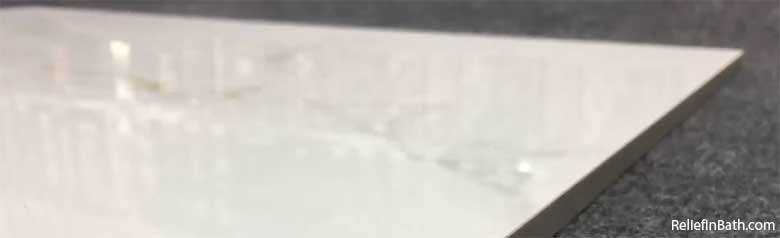
One of the biggest disadvantages of glazed porcelain is that the decorative surface may not extend through the full thickness of the tile.
For example, you might have:
- Black marble-look surface
- Gray or beige porcelain body underneath
If the edge chips, the body color can become visible.
This is particularly noticeable on:
- Dark tiles
- High-contrast designs
- Stair edges
- Countertop edges
- Outside corners
Through-body or color-body porcelain can sometimes hide minor chips better because the body color is closer to the face.
That does not mean glazed porcelain is fragile.
It simply means damage can be more visually obvious.
2. Edges Can Chip During Cutting
Porcelain is dense and hard.
That durability is excellent once installed, but it can make cutting more demanding.
A poor blade, excessive cutting speed, or incorrect cutting technique can produce:
- Small glaze chips
- Rough edges
- Broken corners
- Hairline cracks
Reduce Chipping
Use:
- A high-quality porcelain-rated diamond blade
- A properly adjusted wet saw
- Slow, controlled cutting
- Fresh blades
- Support under large tiles
Visible cut edges may also need polishing or an edge trim.
Cheap or worn blades can turn an otherwise attractive installation into one with noticeably chipped edges.
3. Some Glazed Porcelain Tiles Are Slippery
Porcelain itself is not automatically slippery.
Surface finish matters much more.
A textured matte porcelain floor may provide good traction.
A highly polished porcelain tile may become much more slippery when exposed to:
- Water
- Soap
- Oil
- Grease
- Cleaning-product residue
This is especially important in:
- Showers
- Bathrooms
- Pool areas
- Entryways
- Commercial kitchens
Floor tiles intended for wet areas should be chosen based on appropriate slip-resistance information for the specific product.
Don’t assume every porcelain tile is suitable for a shower floor simply because it is water-resistant.
4. Polished Glazed Porcelain Can Show Fine Scratches

Porcelain is highly scratch-resistant, but that does not mean the surface is impossible to scratch.
Glossy and polished tiles tend to show fine scratches more easily than textured surfaces.
Common sources include:
- Sand
- Grit
- Furniture legs
- Metal objects
- Abrasive pads
- Construction debris
Dark glossy floors can reveal fine scratches particularly clearly under direct light.
Protect the Surface
Use:
- Entry mats
- Furniture protectors
- Regular vacuuming or sweeping
- Non-abrasive cleaners
Removing sand before mopping is particularly important.
Dragging grit across a glossy floor repeatedly can create visible micro-scratching.
5. Lippage Can Be Very Noticeable
Lippage is the height difference between the edges of neighboring tiles.
A small variation can become visually obvious with glazed porcelain—particularly when tiles are:
- Large-format
- Rectified
- Highly glossy
- Installed under strong side lighting
Potential causes include:
- Uneven substrate
- Tile warpage
- Poor mortar application
- Incorrect setting technique
- Tiles being disturbed before mortar cures
Large-format plank-style porcelain presents an additional challenge because some natural curvature can exist across the tile.
The flatter and more reflective the surface, the more obvious lippage may appear.
6. Large Tiles Demand a Very Flat Substrate
Large-format glazed porcelain has become extremely popular.
Common sizes include:
- 12 × 24 inches
- 24 × 24 inches
- 24 × 48 inches
- Long wood-look planks
But larger tiles are less forgiving of uneven floors and walls.
An uneven substrate can lead to:
- Lippage
- Hollow areas
- Poor mortar coverage
- Cracking
- Uneven grout joints
The solution is not simply applying more mortar in random locations.
The substrate should be properly prepared and flattened before tile installation.
7. Poor Mortar Coverage Can Cause Cracks or Hollow Spots
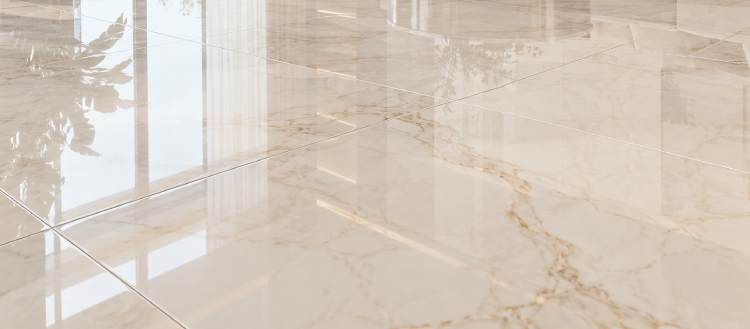
Porcelain tile is strong, but it still needs good support underneath.
If the installer leaves significant empty areas beneath the tile, loads can concentrate in unsupported sections.
Potential symptoms include:
- Hollow sound when tapped
- Cracked corners
- Broken tile under furniture
- Loose tiles
This becomes particularly important with large tiles.
Proper trowel selection, mortar direction, tile embedding, and checking coverage during installation are essential.
For demanding wet or exterior installations, mortar coverage requirements can be stricter.
8. Glazed Porcelain Can Crack
Porcelain is hard but not flexible.
If the structure beneath it moves significantly, the tile may crack.
Possible causes include:
- Concrete cracks
- Excessive floor deflection
- Poor subfloor construction
- Foundation movement
- Missing movement joints
- Improper installation
A crack that continues across several tiles often suggests movement underneath rather than defective tile.
Cement board also does not magically eliminate structural movement.
The entire tile assembly must be designed correctly.
9. Grout Haze Can Be Difficult to Remove
After grouting, a thin residue can remain on the glazed tile surface.
This is called grout haze.
It can make attractive tile look:
- Cloudy
- Dull
- Streaky
- Dirty
Textured tiles can be particularly troublesome because grout particles can lodge in small surface recesses.
Polished porcelain may also require extra care because aggressive haze-removal methods can affect the finish.
Always follow the grout manufacturer’s cleanup timing.
Waiting too long can make removal much harder.
Also Read: Is Black Tile Bathroom Floor Worth It?
10. Dark Grout Can Lodge in Surface Texture
A glazed tile may look perfectly smooth from a distance but contain small textures or surface detail.
Highly pigmented grout can become trapped in those areas.
This can create:
- Dark staining around texture
- Difficult cleanup
- Discolored edges
- Uneven appearance
A grout-release product or pre-installation test may be helpful with certain polished, matte, or textured porcelain products.
Always test grout on spare tile before covering the entire floor.
11. Polished Porcelain May Need More Care Than Expected
Many people buy porcelain because they expect zero maintenance.
That’s mostly true for ordinary glazed surfaces, but polished porcelain deserves extra attention.
The polishing process can create microscopic surface porosity.
Depending on the specific product, manufacturers may recommend a penetrating sealer or grout-release treatment before grouting.
Potential problems include:
- Grout haze
- Staining
- Construction residue
- Etching-like surface damage
- Difficult cleanup
Always check the care instructions for the exact tile rather than assuming all porcelain behaves identically.
12. Cleaning Products Can Make the Floor Slippery
Sometimes the tile isn’t naturally too slippery—the cleaning routine is causing the problem.
No-rinse cleaners, soaps, waxes, and cleaning residues can accumulate on glazed porcelain.
The surface may then feel:
- Slick
- Sticky
- Dull
- Streaky
A proper clean-water rinse is important.
If a floor becomes noticeably more slippery over time, try removing cleaner buildup before assuming the tile finish itself has changed.
13. Abrasive Cleaners Can Damage the Finish
Avoid cleaning glazed porcelain with highly abrasive materials such as:
- Steel wool
- Harsh scouring pads
- Abrasive powders
- Sandpaper-like cleaning tools
These can dull a glossy finish or leave micro-scratches.
Use a cleaner approved for ceramic or porcelain tile along with non-abrasive cleaning tools.
Also be cautious with aggressive acids or other harsh chemicals unless specifically approved for the tile and grout system.
14. Grout Can Stain Even When the Tile Does Not
People sometimes blame the porcelain tile when the problem is actually grout.
Glazed porcelain generally has excellent stain resistance.
Cementitious grout can be much more absorbent.
You may see dark or dirty lines while the tiles themselves remain clean.
Common causes include:
- Soap
- Oils
- Dirt
- Mildew
- Hard-water minerals
Depending on the grout product, sealing may reduce staining and simplify cleaning.
Some modern grouts require less sealing or none at all, so follow the grout manufacturer’s instructions.
Also Read: Differences Between Onyx And Tile Showers.
15. Glaze Wear Can Become Visible in Heavy Traffic
A quality floor-rated glazed porcelain tile is designed to withstand walking traffic.
However, not every glazed tile has the same abrasion resistance.
Some decorative glazed products are intended primarily for:
- Walls
- Light residential areas
- Low-traffic spaces
A tile chosen for the wrong application may gradually show:
- Surface dulling
- Pattern wear
- Fine scratches
- Visible traffic paths
Always check whether the specific tile is rated for the intended floor application.
Wall tile and floor tile are not automatically interchangeable.
Glazed Vs. Unglazed Porcelain: Which Hides Damage Better?
Unglazed or through-body porcelain often has a relatively consistent material or color throughout its thickness.
That can make chips less obvious.
Glazed porcelain offers a much broader range of decorative possibilities because the surface can reproduce almost any design.
Glazed Porcelain Is Better When You Want:
- Marble looks
- Decorative patterns
- Wood effects
- Glossy surfaces
- Large color selection
Through-Body or Color-Body Porcelain May Be Better When:
- Edge damage is a major concern
- Traffic is extremely heavy
- Chips need to be less noticeable
- Commercial durability is prioritized
Neither type is automatically superior.
Are Glazed Porcelain Tiles Good for Bathrooms?
Yes.
Glazed porcelain is an excellent bathroom material when the correct tile is selected.
It offers:
- Very low water absorption
- Easy cleaning
- Good durability
- Huge design variety
- Compatibility with walls and floors
For bathroom floors and shower floors, however, pay close attention to traction.
A beautiful polished tile that performs well on a dry wall may be a poor choice for a wet shower floor.
Are Glazed Porcelain Tiles Good for Showers?
Yes, provided the particular tile is suitable for the application.
For shower walls, glazed porcelain is especially practical.
For shower floors, consider:
- Slip resistance
- Tile size
- Drain slope
- Grout-joint frequency
- Surface texture
Small mosaics often provide more grout joints, which can improve traction and conform more easily to the slopes around a shower drain.
Also Read: Differences Between Porcelain And Ceramic Tile for Shower.
How To Avoid Glazed Porcelain Tile Problems?
Most major problems can be reduced before installation.
Before Buying
Check:
- Floor or wall rating
- Wet-area suitability
- Slip characteristics
- Shade variation
- Surface finish
- Tile dimensions
- Manufacturer installation requirements
Before Installing
- Open multiple boxes.
- Inspect tiles for damage.
- Plan the pattern.
- Check substrate flatness.
- Use the correct mortar.
- Use a porcelain-rated cutting blade.
During Installation
- Maintain appropriate grout joints.
- Check mortar coverage.
- Control lippage.
- Clean grout residue promptly.
- Follow movement-joint requirements.
After Installation
- Remove abrasive grit regularly.
- Avoid harsh cleaning pads.
- Rinse cleaning residue.
- Repair loose grout or sealant.
- Keep spare tiles.
Frequently asked questions (FAQ)
Yes. Glazed porcelain tiles come with a very shiny finish that makes them vulnerable to having external scratches. In this industry, it is quite common to expect glossy tiles to have scratches after regular usage. So, regular mopping and careful treatment of these tiles must be taken into consideration.
You will find commercially produced tiles cleaner in your nearby store. However, if you want to do it with materials from your home, then vinegar solution can serve the purpose well.
Generally, glazed porcelain tile has 50+ years of life expectancy. So, it would be a good investment for you.
Wrapping Up
Just like other types of tiles, glazed porcelain tiles’ problems are quite visible, and fortunately, you can solve those by taking proper action at the right time.
Considering a few aspects while purchasing and taking proper care after installation can solve significant numbers of problems that these tiles bring into your house.
Recent Posts
2026 Bathroom Remodel Estimator Bathtub to Shower Conversion Cost Calculator Accurately calculate the true cost of converting your old bathtub into a modern walk-in shower. Estimates acrylic...
I used the Philips Multigroom 5000 for several weeks of beard hair and body grooming while tracking cutting performance battery life ease of cleaning and everyday versatility.You should buy this...