
Native Deodorant is popular for being aluminum-free, but not everyone gets along with it.
Common Native deodorant complaints include underarm irritation, odor returning too quickly, sweating, residue on clothes, strong fragrances, and inconsistent performance after formula changes.
Some people love it for years. Others stop after a few days.
Here are the problems worth knowing before you buy another stick.
Native Deodorant Complaints At A Glance
| Complaint | Possible Explanation |
| Underarm rash | Sensitivity to fragrance or another ingredient |
| Burning or itching | Irritation, shaving, friction, or ingredient sensitivity |
| Doesn’t stop sweating | Regular Native is deodorant, not antiperspirant |
| Body odor returns | Individual body chemistry and activity level |
| Doesn’t last all day | Heat, exercise, sweat, or individual response |
| Leaves residue | Waxes, oils, starches, or excess application |
| Stains clothing | Product buildup mixed with sweat and fabric |
| Too sticky/greasy | Formula texture or too much product |
| Scent too strong | Fragrance preference or sensitivity |
| New formula feels different | Native has reformulated its regular deodorant |
1. Native Deodorant Can Cause Underarm Irritation
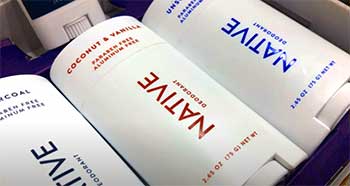
One of the most frequently discussed complaints about Native is underarm irritation.
Users have reported symptoms such as:
- Redness
- Itching
- Burning
- Small bumps
- Dry patches
- Tender skin
That does not mean Native irritates everyone. Many people use it without problems.
But underarm skin can be particularly sensitive because it experiences:
- Shaving
- Friction
- Moisture
- Sweat
- Deodorant application every day
Even an ingredient that is well tolerated elsewhere on the body may irritate freshly shaved underarms.
If a new deodorant consistently causes burning, itching, or a rash, continuing to use it in the hope that your skin will “adjust” is generally not a good idea.
Stop using it and allow the skin to recover.
Also Read: Is Donna Karan Cashmere Mist Deodorant Worth It?
2. The Current Native Formula Has Changed
This is important if you used Native several years ago.
Native’s regular deodorant has undergone a significant formula update.
The current regular deodorant is marketed as:
- Aluminum-free
- Baking-soda-free
- Paraben-free
- Phthalate-free
- Ozokerite-free
Its current ingredient list includes ingredients such as:
- Caprylic/capric triglyceride
- Stearyl behenate
- Magnesium oxide
- Tapioca starch
- Cyclodextrin
- Shea butter
- Coconut oil
- Piroctone olamine
- Bisabolol
- Rice bran wax
- Ginger root extract
- Fragrance in scented versions
Native also says the new formula uses multiple approaches to odor control.
This matters because older reviews discussing a baking-soda-heavy Native formula may not accurately describe the product currently being sold.
3. Native May Not Stop You From Sweating
This is probably the biggest expectation problem.
Standard Native Deodorant is not an antiperspirant.
Deodorant and antiperspirant do different jobs.
Deodorant
Primarily aims to reduce or mask body odor.
Antiperspirant
Uses aluminum salts to temporarily reduce the amount of sweat reaching the skin surface.
Native’s standard deodorant is aluminum-free, so you should still expect to sweat.
That means someone switching from a strong conventional antiperspirant may initially feel that Native “doesn’t work,” even if it is controlling odor reasonably well.
If your main concern is wet underarms rather than smell, an aluminum-free deodorant may simply be the wrong product category for your needs.
Also Read: Is Deos Internal Deodorant Worth It?
4. Body Odor Can Return Before the Day Is Over
Some users report that Native smells great when first applied but body odor becomes noticeable later.
This varies dramatically from person to person.
Factors include:
- Sweat amount
- Exercise
- Climate
- Clothing material
- Underarm bacteria
- Personal body chemistry
- How much deodorant you apply
Native currently advertises up to 72 hours of odor protection for its updated deodorant.
That is a manufacturer performance claim, not a guarantee that every person will remain odor-free for three days.
Recent consumer discussions still include people who find Native highly effective alongside others who say odor breaks through after several hours.
If your body odor returns by afternoon, reapplication may help, but you may simply respond better to a different deodorant formulation.
5. Some Users Still Develop a Rash With Sensitive Native
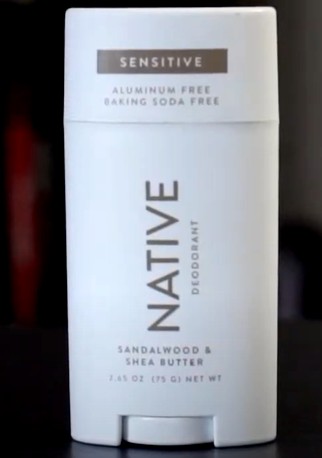
Native also sells a Sensitive Deodorant Stick.
The sensitive formula is baking-soda-free and currently uses ingredients including:
- Magnesium hydroxide
- Tapioca starch
- Shea butter
- Coconut oil
- Magnesium carbonate
- Piroctone olamine
- Bisabolol
It is specifically intended for people who want a gentler formula.
However, “sensitive” does not mean nobody can react to it.
People can potentially be sensitive to:
- Fragrance
- Plant extracts
- Coconut-derived ingredients
- Individual deodorizing ingredients
Recent retail and community reviews include some customers reporting irritation even from Native Sensitive products.
If regular Native irritates your skin, Sensitive is reasonable to try—but stop using it if irritation appears again.
6. Native Can Leave Residue on Clothes
Another common complaint is deodorant buildup around the underarms of shirts.
Solid deodorants contain ingredients that give the stick its structure and help absorb moisture or carry fragrance.
When too much product is applied, some can transfer to clothing.
Over time, the combination of:
- Deodorant
- Skin oil
- Sweat
- Laundry detergent residue
can become difficult to remove from fabric.
Some users report stiff, waxy, or odor-retaining patches in the underarm areas of shirts.
Reduce Product Buildup
Native currently recommends only a small number of swipes on clean, dry underarms.
Applying a thick visible layer usually doesn’t improve odor protection proportionally.
It just gives more product an opportunity to transfer onto fabric.
Also Read: Is Primally Pure Deodorant Worth It?
7. White Marks Can Appear on Dark Clothing
Even though Native does not use aluminum salts in its regular deodorant, that does not mean it is incapable of leaving marks.
Ingredients such as:
- Starches
- Waxes
- Oils
- Powders
can transfer from the underarm to fabric.
Dark shirts make this particularly noticeable.
To reduce white marks:
- Apply less deodorant.
- Let it settle before dressing.
- Put shirts on carefully.
- Avoid rubbing fabric directly across freshly applied product.
A white mark does not necessarily indicate aluminum.
8. Some People Find the Texture Sticky or Greasy
Deodorant texture is highly personal.
One person may describe Native as smooth and moisturizing, while another finds it:
- Sticky
- Waxy
- Greasy
- Heavy
This can be particularly noticeable in hot weather.
Native’s current formula uses ingredients such as emollients, shea butter, coconut oil, waxes, and fatty structuring ingredients to create the solid stick.
That helps it glide over the skin but also means it will never feel exactly like a dry aerosol antiperspirant.
Recent users have reported both smooth application and uncomfortable sticky texture, reinforcing how personal this category is.
9. Fragrance Can Be Too Strong
Native is well known for fragrances.
Depending on the season, you can find scents involving:
- Coconut
- Vanilla
- Cedar
- Citrus
- Lavender
- Floral notes
- Fruit
- Woods
- Gourmand scents
Some people specifically buy Native because they enjoy those fragrances.
Others find them too strong.
Recent reviews include complaints ranging from scents being overpowering to particular fragrance combinations smelling unpleasant after drying down.
If fragrance itself is the problem, Native also offers an Unscented deodorant.
That is different from simply choosing a lighter fragrance.
10. Fragrance Can Also Irritate Sensitive Skin
Fragrance is another possible explanation for irritation.
Native says its scented products use a fragrance blend that can include essential oils, synthetic fragrance materials, and natural extracts.
That does not make the fragrance inherently harmful.
But fragrance is a known potential irritant or allergen for some people.
If you develop irritation with several differently scented versions, trying an unscented product may help determine whether fragrance is contributing.
If irritation continues with unscented deodorant, another ingredient—or deodorant itself on recently shaved or irritated skin—may be responsible.
11. Applying Native After Shaving Can Sting
Fresh shaving creates tiny disruptions in the skin barrier.
Applying deodorant immediately afterward may therefore cause:
- Stinging
- Burning
- Redness
- Itching
This can happen even with products you tolerate perfectly well on unshaved skin.
If your irritation occurs only after shaving, try waiting until your underarms have calmed before applying deodorant.
Also avoid deodorant on visibly cut, raw, or broken skin.
Native specifically cautions against using some of its spray products on broken skin because alcohol-containing formulas can cause temporary irritation.
Also Read: Is Atom Fresh Deodorant Worth It?
12. Native Is Relatively Expensive
Native is also considerably more expensive than many mainstream deodorants.
A current standard 2.65-ounce Native deodorant stick is around $14 when bought directly from the brand.
Whether that’s worth it depends on what you value.
You are paying partly for:
- Aluminum-free positioning
- Fragrance selection
- Ingredient choices
- Brand positioning
- Specialty formulations
But price does not guarantee compatibility.
If a $14 deodorant causes irritation or only lasts a few hours for you, its ingredient philosophy matters less than whether it actually works for your body.
13. “Natural” Does Not Automatically Mean Non-Irritating
Native is often discussed alongside “natural deodorants,” although marketing terminology around natural personal-care products can be vague.
A plant-derived ingredient can irritate skin.
A synthetic ingredient can be well tolerated.
The better questions are:
- Does this formula irritate my skin?
- Does it control odor?
- Do I like the texture?
- Does it stain my clothes?
- Is the price reasonable for me?
Judge the finished product by performance and tolerability rather than assuming that a shorter or more familiar-looking ingredient list guarantees a better result.
14. Native Deodorant Is Not a Detox Treatment
You may encounter claims that switching away from antiperspirant causes an “armpit detox” lasting days or weeks.
The simpler explanation is that you have switched from a product designed to reduce perspiration to one primarily designed for odor management.
You’ll probably notice more sweat because your new deodorant is not blocking sweat in the same way.
Body odor may also change as your routine changes.
A temporary adjustment in how your underarms feel does not mean toxins are leaving your body.
If you develop painful redness, persistent itching, swelling, broken skin, or a significant rash, don’t dismiss those symptoms as detoxification.
What Should You Do If Native Causes a Rash?
First, stop using it.
Then:
- Wash the area gently.
- Avoid shaving until the irritation settles.
- Avoid applying other strongly fragranced products.
- Keep the area dry and minimize friction.
- Consider a fragrance-free alternative once the skin recovers.
Seek medical advice if you develop:
- Severe pain
- Spreading redness
- Open sores
- Drainage or pus
- Significant swelling
- Fever
- A rash that does not improve
Persistent underarm irritation can have causes other than deodorant, including contact dermatitis, folliculitis, fungal irritation, and other skin conditions.
Regular Native Vs. Sensitive Native
The current formulas are more similar than older comparisons may suggest because Native’s updated regular deodorant is now also baking-soda-free.
The main deodorizing chemistry still differs.
Regular Native
Currently uses ingredients such as:
- Magnesium oxide
- Cyclodextrin
- Piroctone olamine
- Tapioca starch
Native Sensitive
Currently uses:
- Magnesium hydroxide
- Magnesium carbonate
- Piroctone olamine
- Tapioca starch
Both are:
- Aluminum-free
- Baking-soda-free
- Available in scented versions
Native Sensitive is specifically positioned for sensitive underarms.
Who May Like Native Deodorant?
Native can make sense if you:
- Want an aluminum-free deodorant
- Do not need strong sweat reduction
- Enjoy fragrance variety
- Prefer a solid stick
- Want a baking-soda-free current formula
- Find it controls your body odor well
There are many positive user experiences alongside the complaints.
Deodorant is unusually personal because people’s sweating, skin, bacteria, climate, and fragrance preferences differ so much.
Who May Want Something Else?
Native may be a poor match if:
- You need strong sweat reduction.
- You repeatedly develop irritation.
- You dislike fragranced products.
- Your body odor breaks through quickly.
- You dislike waxy solid deodorants.
- You frequently notice clothing residue.
- You don’t want to spend premium prices on deodorant.
If perspiration is your biggest concern, switching among aluminum-free deodorants may not solve it.
An antiperspirant is a different category of product designed specifically to reduce sweat.
Frequently Asked Questions (FAQ)
Generally, no. Only a few people have bad experiences with Native. And that’s very common scenario for every other deodorant brands. Native deodorants are perfectly good for everyone.
Native deodorants are free of sulfates, aluminum, talc, parabens, and phthalates. So, it’s perfectly safe for people with any gender.
Skin chemistry is different for everyone. It takes a while for any new deodorant to adjust and work fully. But if Native deodorant does not work even after a few days, it may not be suitable for your skin chemistry.
It takes a while for any deodorant to adjust with your skin chemistry. This happens a lot when you switch from an antiperspirant to a deodorant. But if it stinks even after a few days later, Native deodorant may not be suitable for your body.
No. It’s aluminum free completely.
Closing Remarks
The most common Native deodorant complaints fall into three categories: skin irritation, insufficient odor or sweat control, and product residue.
The current formula is important because Native’s regular deodorant has changed. It is now marketed as both aluminum-free and baking-soda-free, so older complaints specifically blaming baking soda do not necessarily apply to today’s stick.
That doesn’t mean irritation is impossible.
Fragrance and other ingredients can still bother sensitive skin, and aluminum-free deodorant will not provide the sweat control of an antiperspirant.
If Native keeps your odor under control without irritating your skin, it may be worth the premium price.
If it causes a rash, leaves persistent residue, or lets body odor return quickly, there is little reason to force it to work just because the ingredient list or branding appeals to you.
One thought on “Native Deodorant Complaints And Should You Switch To This Brand?”
Leave a Reply
Recent Posts
I used both the Philips Norelco Multigroom 5000 and Multigroom 7000 side by side for several weeks of face head and body grooming while tracking cutting performance battery life attachment...
2026 Bathroom Remodel Estimator Bathtub to Shower Conversion Cost Calculator Accurately calculate the true cost of converting your old bathtub into a modern walk-in shower. Estimates acrylic...
I have been using native for several years. Unfortunately I started having sore underarms and then I noticed large pimples. I stopped using native and switched to another natural deodorant that doesn’t use baking soda. I read the baking soda is most likely the problem. So far so good.