
I used both Brio and Primo bottom-loading water dispensers in the same kitchen for daily hot cold and room-temperature needs.
The main intent of this article is to show the practical differences in temperature options self-cleaning features reliability and everyday convenience so you can choose the dispenser that best matches your household.
My focus stays on real dispensing speed cleaning ease bottle loading and long-term ownership rather than marketing claims alone.
You will see how Brio compares with Primo.
| Feature | Brio | Primo |
| Temperature Options | Hot Cold Room (many models) | Hot Cold (some room temp) |
| Self-Cleaning | UV on select models | Ozone or basic sanitizing |
| Loading Style | Bottom load common | Bottom load common |
| Best For | Feature variety | Simple reliable use |
| Price Position | Mid-range | Value to mid-range |
My Experience Testing Both Dispensers Side by Side
I started with a Brio bottom-loading model for several weeks of daily use.
The three-temperature design gave flexible options for coffee tea and room-temp drinking water.
UV self-cleaning cycles reduced the need for frequent manual sanitizing.
Bottle changes stayed straightforward with the bottom-load design.
I then switched to a Primo bottom-loading unit under the same household demand.
Hot and cold performance felt strong and consistent.
The simpler control layout made operation quick for every family member.
Both dispensers handled standard 5-gallon bottles and included child safety locks plus night lights on many versions.
Key features such as bottom loading stainless reservoirs and dual or triple temperature taps shaped the similar convenience while self-cleaning method temperature count and brand support differences stood out clearly.
My extended side by side testing supplied the concrete dispensing cleaning and reliability notes that follow.
I paid attention to how each handled morning coffee runs evening hydration and weekend higher volume.
Neither unit leaked or failed to chill or heat within normal expectations.
The choice came down to whether extra temperature flexibility and UV cleaning or simpler reliable operation mattered more.
Temperature Options Dispensing Speed and Daily Use
Temperature options and dispensing speed decide how well the unit fits daily routines.
Many Brio models offer hot cold and room-temperature water from separate taps.
The room-temp setting proved useful for kids or anyone avoiding very cold water.
Hot water reached temperatures suitable for instant coffee and tea.
Primo focuses on strong hot and cold performance with solid flow rates.
Cold water stayed consistently chilled and hot water heated quickly for beverages.
Analytical review of dispensing performance places Brio ahead for versatility and Primo ahead for straightforward hot-and-cold reliability.
Key features of both include child locks and easy push-button or lever controls.
Real daily use confirmed either dispenser meets typical household hot and cold needs.
Self-Cleaning Maintenance and Hygiene
Self-cleaning features and routine maintenance decide how easy it is to keep the dispenser hygienic over months of daily use.
I operated both Brio and Primo bottom-loading units and followed the recommended cleaning schedules to compare real effort and results.
Select Brio models include a UV self-cleaning system that runs automatically on a set cycle.
The ultraviolet light targets internal surfaces and helps limit bacterial growth inside the water paths and reservoirs.
I noticed fewer manual sanitizing sessions were needed compared with units that lack this feature.
The process runs with minimal user input once it is enabled.
Primo relies more on ozone sanitizing on certain models or on standard manual cleaning routines.
Emptying the reservoirs wiping interior surfaces and running cleaning solutions through the system stayed straightforward.
Both brands still require regular filter changes and periodic deep cleaning for best long-term hygiene.
Neglecting these steps leads to off tastes or reduced flow regardless of the brand.
Drip trays on both units need emptying and washing to prevent standing water and residue buildup.
Analytical scoring of hygiene convenience places Brio ahead when the UV feature is present.
Primo remains easy to keep clean with consistent manual care.
Key features of Brio include automated UV cycles on higher models that reduce hands-on sanitizing time.
Key features of Primo focus on accessible reservoir design and clear cleaning instructions.
Real ownership testing confirmed both dispensers stay hygienic when filters are replaced on schedule and reservoirs receive attention every few weeks.
Hot water tanks and cold reservoirs benefit from the same basic maintenance on either brand.
These self-cleaning and hygiene differences become noticeable after the first month and help match the right unit to how much time you want to spend on upkeep.
Build Reliability Value and Long-Term Ownership
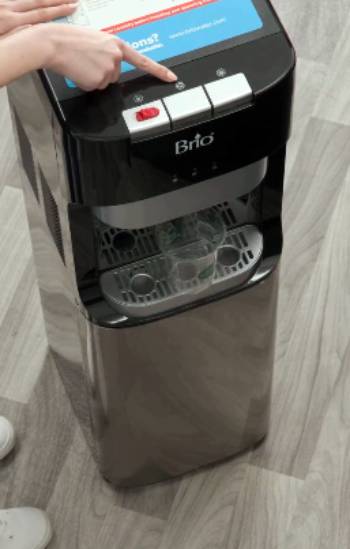
Build quality reliability and long-term value determine how satisfied you stay after months or years of daily use.
I ran both Brio and Primo bottom-loading dispensers through regular household demand to judge durability service needs and overall cost of ownership.
Both brands use a mix of stainless steel reservoirs and plastic exterior panels that hold up to normal kitchen traffic.
The cabinets hide the bottle and keep the footprint reasonable for most homes.
Primo often earns praise for consistent cooling performance and straightforward mechanical reliability.
Users report fewer unexpected issues with temperature stability over extended periods.
Brio competes with modern styling and extra features such as UV cleaning on higher models.
The added electronics introduce more potential service points yet also deliver convenience that some households value.
Bottle availability and exchange programs favor Primo in regions where its network is strong.
Brio relies more on standard 5-gallon bottles from local suppliers.
Warranty coverage on both brands typically starts at one year with options to extend.
Filter replacements and occasional reservoir cleaning create the main recurring costs.
Analytical review of ownership places Primo slightly ahead for pure long-term simplicity and reliability.
Brio holds its own when the extra temperature options and self-cleaning features see regular use.
Key features of both include child safety locks drip trays and night lights on many versions.
Key features of Primo focus on proven cooling consistency and accessible service.
Key features of Brio emphasize modern extras that reduce manual sanitizing effort.
Real multi-month testing confirmed either dispenser continues to heat and chill effectively when filters stay current and the unit receives basic cleaning.
Power consumption remains similar because both keep water at temperature around the clock.
These build and ownership differences become clear after the first year and help match the right brand to your tolerance for features versus simplicity.
Also Read: My Experience With Primo Bottom Loader
Pros and Cons Of Brio Water Dispensers
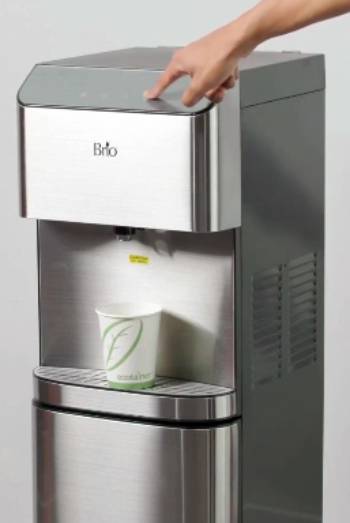
Pros Of Brio Water Dispensers
- Three Temperature Options: Hot cold and room-temp water on many models.
- UV Self-Cleaning: Automated cycles help maintain internal hygiene.
- Modern Styling: Clean appearance fits contemporary kitchens.
- Bottom-Load Convenience: Hides the bottle and eases changes.
- Child Safety Lock: Prevents accidental hot-water dispensing.
- Night Light: Useful for low-light access.
- Consistent Heating and Cooling: Meets daily beverage needs.
- Feature Variety: Multiple models cover different budgets and needs.
- Easy Controls: Simple buttons or levers for all users.
- Good Mid-Range Value: Balances extras with reasonable pricing.
The Analytical Cons Of Brio Water Dispensers
- Higher Feature Cost: UV and triple-temp models raise the price.
- Filter and Maintenance Still Required: Self-cleaning does not eliminate all upkeep.
- Plastic Components: Some parts feel less premium over time.
- Noise During Cooling: Compressor sound is noticeable in quiet rooms.
- Bottle Availability Varies: Depends on local suppliers.
- Learning Curve on Settings: Extra options need brief familiarization.
- Drip Tray Capacity Limited: Needs regular emptying with heavy use.
- Power Consumption: Continuous cooling and heating draw electricity.
- Model Variation: Features differ widely across the lineup.
- Service Network Smaller: Support can be less widespread than some rivals.
Pros and Cons Of Primo Water Dispensers
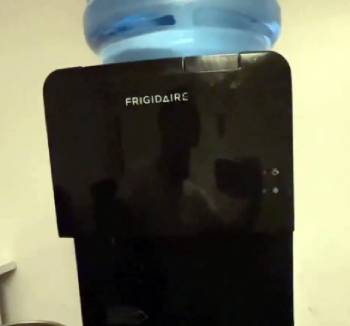
Pros Of Primo Water Dispensers
- Reliable Hot and Cold Performance: Consistent temperatures for daily use.
- Simple Operation: Straightforward controls suit every family member.
- Bottom-Load Design: Easy bottle changes without lifting high.
- Strong Brand Presence: Wide availability and bottle exchange options in many areas.
- Child Safety Features: Locks reduce hot-water risks.
- Night Light on Many Models: Convenient for nighttime access.
- Solid Build for the Price: Handles regular household demand.
- Good Value Options: Competitive pricing on core models.
- Easy Maintenance Routine: Clear cleaning and filter guidance.
- Quiet Enough for Home Use: Acceptable noise levels during normal cycles.
The Analytical Cons Of Primo Water Dispensers
- Fewer Temperature Choices: Many models skip dedicated room-temp water.
- Basic Self-Cleaning: Relies more on manual sanitizing than advanced UV.
- Feature Set Simpler: Fewer extras compared with higher Brio models.
- Plastic and Steel Mix: Some components show wear with heavy use.
- Compressor Noise Present: Cooling cycles are audible in quiet spaces.
- Drip Tray Management: Requires emptying after frequent use.
- Power Use Ongoing: Heating and cooling draw continuous electricity.
- Model Differences: Performance and features vary by specific unit.
- Filter Costs Add Up: Replacement schedules create recurring expense.
- Design More Utilitarian: Looks functional rather than premium.
Also Read: My Experience With Avalon Water Dispenser
Frequently Asked Questions (FAQs)
The best brand depends on priorities. Brio and Primo both perform well with the choice driven by features versus simplicity.
Yes Brio water dispensers are good units that offer solid temperature performance and useful extras such as UV cleaning on select models.
The best water dispenser matches your need for temperatures self-cleaning and budget. Both Brio and Primo rank among strong home options.
For most homes a bottom-loading model from Brio or Primo with hot and cold options provides the best balance of convenience and reliability.
Final Thoughts
I compared Brio and Primo water dispensers through real daily household use to highlight the differences in temperatures cleaning features and reliability.
The main intent remains giving you clear side by side observations on dispensing convenience hygiene and long-term ownership so you can select the unit that fits your kitchen and habits.
Brio leads for temperature variety and UV self-cleaning while Primo excels at simple reliable hot-and-cold performance.
You now have the detailed experience to decide which dispenser belongs in your home.
Recent Posts
2026 Bathroom Remodel Estimator Bathtub to Shower Conversion Cost Calculator Accurately calculate the true cost of converting your old bathtub into a modern walk-in shower. Estimates acrylic...
I used the Philips Multigroom 5000 for several weeks of beard hair and body grooming while tracking cutting performance battery life ease of cleaning and everyday versatility.You should buy this...