
I have spent years struggling with consistent flossing. Traditional string floss always felt awkward and time-consuming.
That is why I decided to compare the Sonicare flosser and Waterpik. In this article I share my real experiences testing both devices over several months.
You will discover which one better fits your daily oral care routine.
We explore key features. We weigh pros and cons. My goal is to help you make an informed choice for healthier gums and teeth.
Comparison Table Between Sonicare Flosser Vs. Waterpik
| Feature | Sonicare Flosser | Waterpik Water Flosser |
| Technology | Airfloss micro-burst technology | Water pressure jet |
| Cleaning Method | Air and micro-droplets | Pulsating water stream |
| Battery Life | Up to 2 weeks per charge | Corded or rechargeable models vary |
| Water Tank Capacity | Smaller reservoir | Larger tank options |
| Portability | Highly portable | Less portable for corded versions |
| Noise Level | Quieter operation | Can be louder |
| Price Range | Premium | More affordable options |
| Best For | Quick interdental cleaning | Deep gum pocket cleaning |
I started my journey with the Sonicare flosser because I wanted something gentle yet effective. The device uses tiny bursts of air and liquid to dislodge plaque between teeth.
It felt modern and easy right from the first use.
My gums felt less irritated compared to string floss. You might appreciate how it fits neatly in a travel bag too.
Key Features That Matter in Daily Use
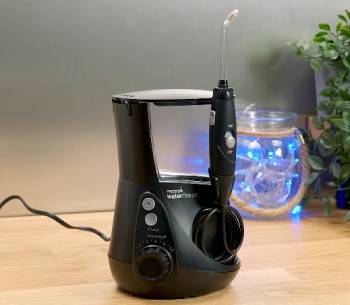
Both devices aim to improve interdental cleaning but they approach it differently. The Sonicare focuses on efficiency and portability.
Its airfloss system uses less water overall.
You get targeted bursts that feel controlled and comfortable. I keep it by my sink for morning and night routines without hassle.
The Waterpik emphasizes power and volume. Its water jet technology flushes out debris effectively. Multiple tips come with many models allowing customization for family members.
I rotate between a standard tip and a plaque seeker for variety. Both help maintain oral hygiene but your lifestyle determines the winner.
How I Tested Both Devices Side by Side
For several weeks I alternated between the Sonicare flosser and Waterpik.
Mornings I used the portable option for speed.
Evenings I chose the Waterpik for deeper clean. Tracking gum health with photos and notes helped me spot differences.
My plaque levels dropped noticeably with both but the Waterpik edged out in pocket reduction.
You can replicate this by noting how your gums feel after each session.
Bleeding should decrease within days if you use them correctly.
I combined them with brushing and tongue scraping for complete care.
Real user results vary based on consistency and technique.
Maintenance Tips Sonicare Flosser Vs Waterpik
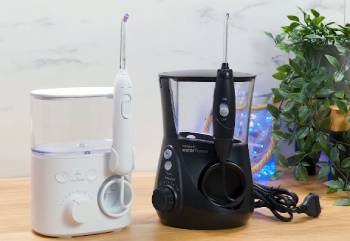
Keep both devices clean by rinsing after every use. Empty the reservoir and wipe surfaces dry. Replace tips every three to six months.
Store the Sonicare in its charging base. For Waterpik descale the tank periodically with vinegar solution. These simple habits extend product life and maintain performance.
- Personal Experiences and Real Results
My gums feel stronger after months of use. The Sonicare helped on travel days when I needed quick cleaning.
The Waterpik became my go-to for weekend deep cleans. You might find one suits your needs better depending on dental history.
Friends I recommended them to report similar satisfaction once they picked the right model.
- Choosing Between Them for Your Needs
Consider your priorities. Busy professionals often prefer the Sonicare for its grab-and-go appeal. Those with gum issues lean toward Waterpik for its flushing power.
Families benefit from Waterpik multi-user tips. Budget plays a role too. Test both if possible through return policies.
I evaluated battery performance water efficiency and ergonomic design.
Why Consistent Flossing Changes Everything
Skipping interdental cleaning leads to plaque buildup and potential problems. These devices make the habit easier and more effective. I no longer dread this step in my routine. You can achieve similar improvements by committing to daily use. Better oral health boosts confidence and overall wellness.
- Advanced Comparison Points
Pressure control differs significantly. Sonicare offers preset bursts while Waterpik provides adjustable levels. Reservoir size impacts convenience. Noise and mess levels affect user satisfaction. Portability favors Sonicare for on-the-go lifestyles.
Effectiveness studies show both reduce gingivitis but Waterpik often scores higher in deep cleaning metrics. Ease for beginners tilts toward Sonicare due to its simplicity. Longevity of devices depends on care and model quality.
- Daily Routine Integration
Incorporate either device after brushing. Spend thirty to sixty seconds per session. Focus on all tooth surfaces especially back molars. I set a timer initially to build the habit. You will notice smoother teeth and healthier gums within weeks. Pair with good toothpaste and mouthwash for synergy.
- Long-Term Benefits I Observed
Reduced dentist visits for cleanings. Less bad breath. Stronger enamel protection through better plaque control. Improved smile appearance from healthier gums. These changes motivate continued use. You can experience the same by staying consistent.
- Common User Mistakes to Avoid
Incorrect angling wastes liquid and reduces effectiveness. Overly high pressure irritates gums. Infrequent tip changes compromise hygiene. Skipping refills leads to weak performance. I learned these through trial and error so you do not have to.
Also Read: Comparison Of Puur Smile Water Flosser Vs. Waterpik
Pros and Cons of Sonicare Flosser
Sonicare Flosser Pros
- Experience the convenience in daily routines: Its compact design makes daily use simple. I appreciate the quick charging and long battery life.
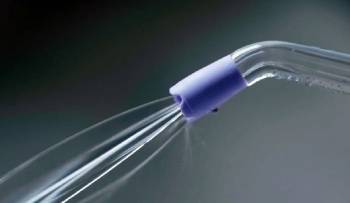
- Notice effective yet gentle cleaning: The micro-burst technology targets plaque effectively while being kind to sensitive gums. Many users including me notice fresher breath after regular sessions.
- Enjoy reduced mess and premium feel: Unlike traditional methods it sprays less liquid around. It integrates well with other Philips Sonicare products for a complete routine. The quiet operation means I can floss while others sleep in the house.
- See long-term gum health improvements: Over time I saw improved gum health scores at my dental checkups. For anyone with braces or dental work it offers precise cleaning without snagging.
Sonicare Flosser Cons
- Deal with reservoir limitations: The Sonicare flosser has a smaller water reservoir so I refill it more often during longer sessions.
- Adjust to power and customization needs: Some people find the air bursts less powerful for deep cleaning in wider gaps. I sometimes wish for more pressure settings to customize the experience further.
- Consider ongoing costs: The premium price tag might deter budget-conscious buyers. Replacement nozzles add to ongoing costs.
- Master the learning curve: It took a short learning curve to angle it correctly for best results. If you have very crowded teeth the nozzle might need extra maneuvering.
Pros and Cons of Waterpik Water Flosser
Waterpik Water Flosser Pros
- Achieve thorough deep cleaning: The pulsating water stream reaches deeper into gum pockets than I expected. I love the multiple pressure settings that let me start gentle and build up.
- Benefit from larger capacity and versatility: Larger water tanks mean fewer refills during full mouth cleanings. It excels at removing food particles and reducing gum inflammation.
- Add extras for enhanced results: You can add mouthwash to the reservoir for extra freshness. The device handles bridges implants and braces wonderfully.
- Observe clinical and personal improvements: My dentist noticed less bleeding after I incorporated it consistently. The massage-like action feels therapeutic on my gums.
Waterpik Water Flosser Cons
- Manage mess and noise factors: The Waterpik can get messy if you are not careful with the angle. It is louder which might bother light sleepers or those in shared spaces.
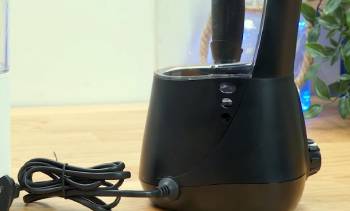
- Handle size and portability issues: Corded models limit where you can use them easily. The bulkier design takes more counter space.
- Adapt during initial use: Some users report initial gum sensitivity until their mouth adjusts. Learning proper technique prevents water from spraying everywhere.
- Account for maintenance needs: Replacement tips are necessary for hygiene but add expense over time. For very tight spaces it might not feel as precise as air-based systems.
I analyzed comfort ease of use and long-term results. Both brands deliver reliable performance but shine in different scenarios.
Comparing Costs Over Time
Initial investment is higher for premium models. Replacement parts add up but last long. Sonicare nozzles versus Waterpik tips have similar pricing. Factor in time saved and health benefits when calculating value. Both prove cost-effective compared to dental treatments later.
- User-Friendly Aspects: Ergonomic handles reduce hand fatigue. Intuitive controls simplify operation. Clear instructions come with both. I appreciated quick start guides. You will master them fast regardless of tech comfort.
- Impact on Gum Health: Regular use fights periodontitis risk. Reduced inflammation means pinker healthier gums. I monitor my gum line closely now. Your results will depend on overall hygiene but these tools accelerate progress.
- Breath Freshness Factor: Both eliminate trapped particles that cause odor. The Waterpik flushes more comprehensively. Sonicare provides quick freshening. Combine with tongue cleaning for best effect.
- Suitability for Different Ages: Adults with busy schedules love the convenience. Teens with braces benefit greatly. Seniors appreciate easier handling than string. Families share Waterpik easily. Consult professionals for children under certain ages.
- Environmental Considerations: Reusable designs reduce waste versus disposable floss. Durable construction means fewer replacements. Both brands focus on quality that lasts.
- Future of Oral Care Devices: Technology evolves with smarter features like app connectivity in newer models. Pressure sensors and timers improve technique. I stay updated on advancements for better choices. You can too by following dental trends.
Also Read: My Experience With Swissco Water Flosser
Frequently Asked Questions (FAQs)
Many dentists do recommend them as effective alternatives to string floss especially for those who struggle with traditional methods.
Waterpik often ranks as a top choice backed by clinical studies and professional endorsements.
Yes it can help manage symptoms by cleaning gum pockets but consult your dentist for personalized guidance.
Generally yes but check with your doctor or cardiologist to ensure safety with any electronic dental device.
Final Thoughts
After extensive testing I use both depending on the day. The Sonicare handles quick needs perfectly.
The Waterpik delivers deeper results when time allows. You should assess your lifestyle and dental needs first. Start with one and expand as needed.
In conclusion I found real value in both the Sonicare flosser and Waterpik. They transformed my oral care from a chore into an easy habit.
You now have the insights to pick what works best for you. Commit to better hygiene and enjoy the rewards of a healthier mouth.
Recent Posts
2026 Bathroom Remodel Estimator Bathtub to Shower Conversion Cost Calculator Accurately calculate the true cost of converting your old bathtub into a modern walk-in shower. Estimates acrylic...
I used the Philips Multigroom 5000 for several weeks of beard hair and body grooming while tracking cutting performance battery life ease of cleaning and everyday versatility.You should buy this...