
When you are browsing the beauty aisles looking for a solution to melt away makeup and grime, you might feel compelled to grab the Philosophy Purity Made Simple cleanser because of its iconic status.
I have spent extensive time reviewing the formulation and customer feedback for this “one-step” facial wash to give you an analytical look at its real performance.
My intent is to show you that while it promises a clean canvas, many users find the reality much harsher on their skin than the marketing suggests.
You should consider if your skin’s health is worth the risk before adding this to your cart.
My disappointing trial with the Purity Made Simple face wash
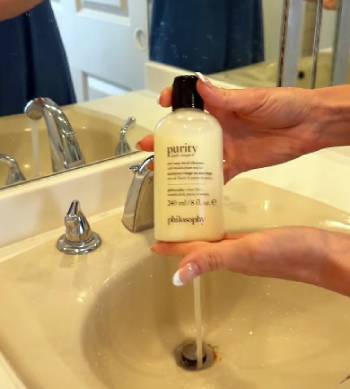
I remember the first time I pumped this thick, custard-colored liquid into my hand; I was excited to see if it lived up to the “number one” claims I had seen online.
I am a dedicated skincare enthusiast who usually double cleanses, so the idea of a single product that could remove waterproof mascara and tone my skin simultaneously sounded like a dream.
The scent was the first thing that hit me—a heavy, botanical medicinal smell that felt a bit more like a floor cleaner than a luxury facial product.
I applied it to my damp face, and while it felt creamy at first, I noticed it didn’t really “grab” onto my foundation as well as an oil cleanser would.
After rinsing, my skin didn’t feel “pure” so much as it felt stripped and tight, which is a classic sign that the pH level is too high for my moisture barrier.
I am someone with combination skin, and within ten minutes, my cheeks felt like parchment paper while my t-zone remained slightly oily.
I checked my face with a toner-soaked cotton pad afterward, and I was shocked to see a significant amount of beige residue left behind.
It failed the one-step test completely for me, and I felt like I had just used a generic hand soap on my delicate facial skin.
Analytically, the ingredient list reveals why I had such a poor reaction. The inclusion of various essential oils like rosewood and sandalwood might smell sophisticated to some, but for my reactive skin, it was a recipe for redness.
By the third day of use, I noticed small red bumps forming around my jawline, suggesting that the surfactants were too aggressive.
You will likely find that if you have any degree of sensitivity, this cleanser acts more like a detergent than a treatment.
I had to stop using it entirely to allow my skin to recover from the irritation and dryness it caused.
Maintenance and tips for a healthy cleansing routine
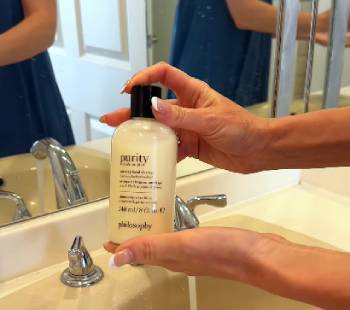
If you want to maintain a glowing complexion without the irritation of a harsh wash, you should follow these evidence-based practices.
- Switch to a double cleansing method: Instead of looking for a “magic” one-step bottle, you should use a gentle cleansing balm or oil first to break down makeup. This allows your second water-based cleanser to actually clean your pores rather than just fighting through a layer of foundation, which prevents the need for aggressive rubbing.
- Monitor your skin’s “tightness” factor: You should pay close attention to how your face feels immediately after drying. If your skin feels tight or looks shiny without any product on it, your cleanser is too harsh. You should immediately swap to a non-foaming, creamy formula that respects your lipid barrier to prevent premature aging.
- Use lukewarm water only: You should never wash your face with hot water, as this melts away the very oils that keep your skin supple. Lukewarm water is the most effective at rinsing away debris without causing unnecessary inflammation or broken capillaries in your skin.
- Wash your hands before your face: It sounds simple, but you should always lather up your hands first. This ensures you aren’t just rubbing the bacteria from your phone or keyboard directly into your pores, which is a common cause of mysterious breakouts that people blame on their face wash.
- Replace your washcloths daily: If you use a cloth to rinse, you should use a fresh one every single time. Damp cloths are breeding grounds for mold and bacteria. Using a clean, soft microfiber cloth can help provide very gentle physical exfoliation without the scratching effect of a harsh scrub.
Pros and Cons of the Purity Face Wash
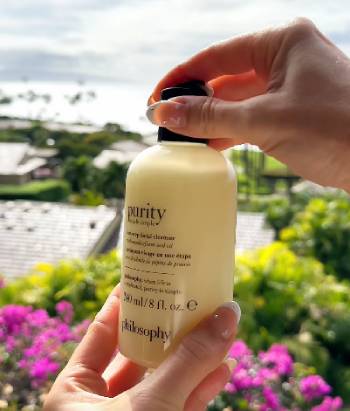
Pros of the Purity Face Wash: The perceived benefits:
- Effective at removing surface-level light makeup: for those of you who only wear a tinted moisturizer, this can work as a quick evening wash: this saves time for people with a very minimal beauty routine.
- Large bottle sizes available for family use: the brand offers “jumbo” sizes that can last a household several months: this reduces the frequency of shopping trips for your staple items.
- Nostalgic and aesthetically pleasing packaging: the minimalist bottle with the inspirational quote looks great on a vanity: this provides a sense of luxury and calm during your morning ritual.
Cons of the Purity Face Wash: Why I cannot recommend it:
- Highly drying and stripping for most skin types: the formula often leaves a “squeaky clean” feeling that indicates you have removed your natural protective oils: this leads to long-term barrier damage.
- Overpowering and potentially irritating fragrance: the blend of multiple essential oils can cause contact dermatitis or redness for sensitive users: this is a major drawback for those trying to avoid unnecessary allergens.
- Incomplete makeup removal for long-wear products: despite being marketed as a 3-in-1, it struggles to break down heavy SPF or waterproof eye makeup: this means you still end up needing a separate remover or a double cleanse.
- High pH level that disrupts skin balance: an alkaline cleanser can throw off your skin’s natural acidity: this creates an environment where acne-causing bacteria can thrive.
- Outdated formulation with questionable preservatives: some versions still contain ingredients that modern skincare science has moved away from: this makes it feel like a relic from the 90s rather than a 2026 staple.
- Leaves a film on some users’ skin: while it strips oil, it can also leave behind a waxy residue that clogs pores: this is counterproductive for anyone looking for a truly clean finish.
- Expensive price point for basic surfactants: you are paying a luxury price for a product that performs worse than many drugstore options: this makes it a poor value for the budget-conscious shopper.
- Stinging sensation when used near the eyes: even though it is ophthalmologist-tested, many people report a sharp burn when trying to remove eyeliner: this makes the “one-step” promise very painful to execute.
Purity Face Wash Vs. Other Brands
- Purity Face Wash Vs. CeraVe Hydrating Facial Cleanser
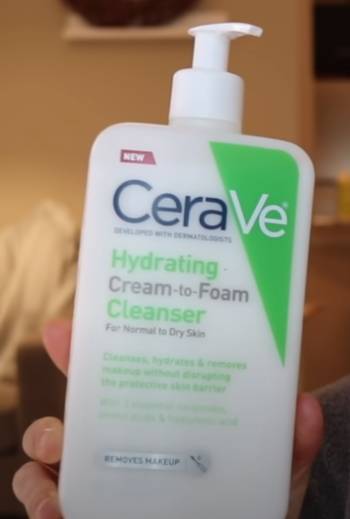
CeraVe is a dermatologist favorite for a reason, and I have found it far superior to the Purity wash for daily use.
While Purity relies on essential oils and strong surfactants, CeraVe uses three essential ceramides and hyaluronic acid to actually put moisture back into your skin as you wash.
Analytically, the CeraVe formula is fragrance-free and non-foaming, which is much better for those of you with a compromised skin barrier.
You will find that your skin feels soft and plump after CeraVe, whereas Purity often leaves you reaching for a heavy moisturizer to stop the stinging.
- Purity Face Wash Vs. La Roche-Posay Toleriane Hydrating
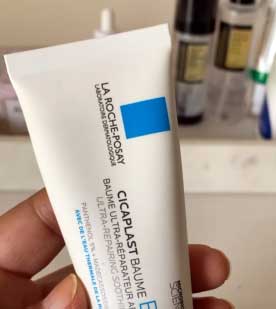
La Roche-Posay offers a level of clinical sophistication that the Philosophy brand simply doesn’t match in 2026.
This cleanser uses prebiotic thermal water to soothe the skin, making it a dream for anyone with rosacea or extreme sensitivity.
I have noticed that the Toleriane cleanser rinses away much cleaner than Purity without leaving that weird, waxy film behind.
If you want a product that is truly recommended by skin doctors worldwide, this is the one you should choose over a “lifestyle” brand. It is more affordable and focuses on science rather than “natural” marketing.
- Purity Face Wash Vs. Cetaphil Gentle Skin Cleanser
Cetaphil has been the gold standard for sensitive skin for decades, and its 2026 formulation remains more reliable than Purity.
The new Cetaphil formula includes niacinamide and panthenol, which help to actively calm redness while you cleanse.
I found that Cetaphil is much more effective at being a “one-step” product because it is so gentle you can even use it without water.
Purity feels like an aggressive detergent by comparison, and you are much less likely to have an allergic reaction to Cetaphil’s minimalist ingredient list.
- Purity Face Wash Vs. Fresh Soy Face Cleanser
Fresh Soy is a luxury competitor that actually delivers on the “clean and soft” promise. It has a gel-like texture and smells like fresh cucumbers, which I found far more pleasant than the medicinal scent of the Purity wash.
Analytically, the soy proteins in this cleanser help with skin elasticity, whereas Purity doesn’t offer much in the way of long-term skin benefits.
While Fresh Soy is also a premium-priced product, the experience and the results justify the cost in a way that Philosophy simply doesn’t. Your eyes will also thank you, as this one almost never stings.
- Purity Face Wash Vs. Vanicream Gentle Facial Cleanser
Vanicream is the ultimate “no-frills” champion for anyone who has been burned—literally—by other face washes.
It contains zero fragrances, dyes, parabens, or botanical oils, making it the safest choice for reactive skin.
I found that Vanicream cleanses just as deeply as Purity but without any of the subsequent dryness or irritation.
It is a fraction of the price and focuses entirely on being a safe, effective cleanser rather than a “heavenly scented” experience.
You should definitely pick this up if you are currently dealing with a breakout or a damaged skin barrier.
Frequently Asked Questions (FAQs)
Analytically, it is often too harsh for modern standards due to its high pH and essential oil content, leading to many negative reviews regarding dryness and irritation.
While some individual products are tested, it is generally considered a “prestige” or “lifestyle” brand rather than a clinical, derm-recommended staple like CeraVe or La Roche-Posay.
There is no single “best” for everyone, but in 2026, CeraVe Hydrating Facial Cleanser and La Roche-Posay Toleriane consistently top the global charts for safety and efficacy.
Philosophy is known for its fragrances and textures, but many of its formulations are considered outdated compared to the ingredient-transparent brands that dominate the market today.
Final Thoughts
When it comes to your face, you should be extremely selective, and you should not buy the Purity face wash just because it was a cult favorite years ago.
I have found that the high risk of irritation and the stripping nature of the surfactants make it a poor choice for anyone serious about skin health.
You deserve a cleanser that protects your barrier and leaves you feeling hydrated, not one that leaves your skin screaming for moisture.
I believe that the abundance of better, safer, and more affordable alternatives makes this a product you can safely skip.
You should invest in a routine that prioritizes long-term health over “one-step” convenience that doesn’t actually work.