
The Onyx Collection shower system is designed for homeowners who like the clean look of solid-surface shower walls but don’t want grout lines, tile maintenance, or a lightweight fiberglass enclosure.
Its biggest strengths are custom sizing, thick solid-color wall panels, substantial shower bases, easy cleaning, and an unusually strong lifetime guarantee. The biggest drawbacks are weight, cost, silicone-dependent seams, and the need to measure and dry-fit everything carefully.
For the right remodel, it can be an excellent alternative to tile.
Onyx Shower System at a Glance
| Feature | The Onyx Collection |
| Shower type | Solid-surface shower system |
| Wall thickness | About 3/8 inch |
| Wall construction | Solid-color material |
| Standard/custom bases | Both |
| Custom wall sizes | Yes |
| Grout required | No |
| Corner seams | Sealed with color-matched silicone |
| Wall finishes | Smooth, tile-look and textured options |
| Low-profile base | Available |
| Custom shower base | Available |
| Matching accessories | Yes |
| Cleaning difficulty | Low |
| Installation | DIY possible, professional installation often preferred |
| Guarantee | “Guaranteed Forever” |
| Best for | Low-maintenance custom shower remodels |
The Onyx Collection currently manufactures shower bases, wall panels, trim, accessories and custom-made components, with products made to size, shape and color specifications.
What Is The Onyx Shower System?
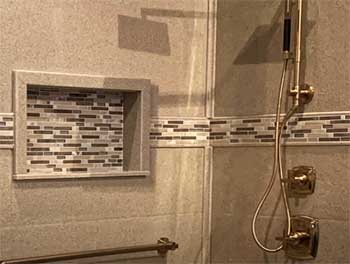
Despite the name, an Onyx Collection shower is not made from slabs of natural onyx stone.
It is an engineered solid-surface bathroom product designed specifically for applications such as:
- Shower walls
- Shower bases
- Tub surrounds
- Seats
- Shelves
- Niches
- Lavatory tops
- Trim
The goal is to provide the appearance and solidity of stone without requiring tile and grout.
A typical three-wall shower uses:
- One shower base
- One rear wall panel
- Two side panels
- Adhesive
- Color-matched silicone
Matching seats, trim, caddies, doors and other accessories can be added.
Also Read: Is WELLFOR Shower System Worth It?
Onyx Wall Panels Are Substantial
One of the first differences you’ll notice compared with inexpensive acrylic surrounds is the material thickness and weight.
Current Onyx wall panels are approximately 3/8 inch thick and weigh roughly 3.5 pounds per square foot. The material is solid color throughout rather than simply having a thin decorative surface printed on top.
That gives the finished shower a more substantial feel.
It also means large wall panels can become heavy.
A tall back wall may require two people to:
- Carry
- Test-fit
- Lift
- Position
without damaging it.
No Grout Is a Major Advantage
The biggest reason many homeowners choose Onyx instead of tile is simple:
there are no traditional grout joints across the shower walls.
A normal tiled shower may contain hundreds of grout lines.
Onyx generally uses one large panel for each wall, so the main joints are concentrated at:
- Inside corners
- Shower-base connection
- Accessories
- Penetrations
These connections are sealed using color-matched silicone.
Fewer joints means fewer places where soap residue and mineral deposits can accumulate.
Tile-Look Panels Without Real Grout
You don’t necessarily have to choose a completely smooth wall.
Current Onyx wall finishes include designs such as:
- Gloss Smooth
- Subway Tile
- Stone Tile
- Wavy Tile
- Shiplap
- Artisan-style options
The tile-style patterns are molded into the solid panel.
For example, the subway design creates simulated grout lines without requiring actual cementitious grout joints.
This gives you some of the visual character of tile while keeping maintenance closer to a solid surface.
Easy Cleaning Is One of the Best Features
Cleaning is where the system makes an especially strong argument for itself.
There are no deep grout lines to scrub.
The manufacturer recommends simple cleaning approaches and specifically mentions diluted white vinegar as one option suitable for routine Onyx cleaning.
Homeowner feedback repeatedly highlights ease of cleaning as one of the system’s strongest characteristics.
For everyday maintenance, a routine such as this is usually enough:
- Rinse soap residue.
- Wipe or squeegee the walls.
- Use a mild approved cleaner as needed.
- Keep silicone joints clean.
If you have hard water, regular squeegeeing can substantially reduce mineral spotting.
The Shower Base Feels Very Solid
Onyx shower bases are not intended to feel like thin flexible fiberglass pans.
Owners frequently describe them as:
- Heavy
- Rigid
- Substantial
That solidity can make the shower feel more permanent and premium.
Current base options include several curb heights, including approximately:
- Low profile: 1 3/8–1 7/8 inches
- Mid height: 2 3/4 inches
- Full height: 4 inches
Low-profile bases can also support accessibility-focused layouts, and ramps are available for appropriate configurations.
Custom Shower Bases Are a Major Strength
Bathrooms are rarely perfectly standardized.
You may have:
- Odd wall dimensions
- An unusual drain position
- A former bathtub footprint
- Neo-angle layout
- Half wall
- Dual-curb shower
This is where Onyx becomes particularly attractive.
Custom bases can be manufactured around specific dimensions and layouts rather than forcing the bathroom to fit a standard 36 x 36 or 60 x 32 pan.
For remodelers working with an awkward existing space, that flexibility can be worth a lot.
Good Option for Tub-to-Shower Conversions
The Onyx system is well suited to replacing a bathtub with a walk-in shower.
Tub-removal projects frequently require:
- Offset drain positions
- Longer bases
- Low thresholds
Current Onyx shower-base options include tub-replacement configurations with offset drains and multiple curb styles.
This can reduce the need to redesign the entire bathroom simply to fit a standard shower tray.
Installation Can Be Easier Than Tile
Installing tile correctly requires several separate stages:
- Backer preparation
- Waterproofing
- Layout
- Thinset
- Tile setting
- Cutting
- Grouting
- Movement joints
An Onyx installation eliminates much of that finishing work.
The panels are cut to fit and bonded to the wall using the recommended adhesive silicone.
Corners and joints are then sealed with color-matched silicone.
That can make the overall project significantly faster than a detailed tile installation.
Also Read: Is Mondawe Shower System Worth It?
Onyx Can Often Be Installed Over Primed Drywall
This surprises homeowners familiar with tiled showers.
According to current Onyx installation guidance, most wall-panel installations are placed over basic 1/2-inch sheetrock with latex paint primer.
The manufacturer states that normal drywall seams and screw holes do not necessarily need conventional finishing before the panels are installed.
This works because the Onyx panels form the finished shower surface rather than serving as porous tile.
However, damaged, damp or deteriorated wall material should still be corrected before installation.
Wall Flatness Matters
Large solid panels are less forgiving of seriously uneven walls than small tile.
Before installation, inspect walls for:
- Bowing
- Crooked corners
- Large humps
- Major dips
- Out-of-square conditions
Onyx does offer corner trim that can help conceal some gaps from imperfect walls.
But good preparation makes installation easier.
A panel should not be forced aggressively into a badly distorted wall.
Dry-Fitting Is Critical
One of the easiest installation mistakes is applying adhesive before confirming that the panel actually fits.
Manufacturer-hosted customer feedback includes a DIY example where skipping the dry-fit stage created difficulties once adhesive was already applied.
Before bonding any wall panel:
- Bring it into the shower.
- Confirm orientation.
- Check corner gaps.
- Mark plumbing penetrations.
- Verify top and front edges.
- Trim if necessary.
Only then apply adhesive.
This simple step can prevent an expensive mistake.
Panels Can Be Cut With Woodworking Tools
Onyx panels are intentionally installer-friendly.
Current installation guidance says they can be:
- Cut
- Notched
- Drilled
- Sanded
using normal woodworking equipment.
Tools can include:
- Circular saw
- Jigsaw
- Fine-to-medium tooth blades
- Belt sander
This makes onsite fitting much easier than cutting large slabs of natural stone.
But the Panels Can Still Crack
Solid-surface does not mean indestructible.
A large wall panel can crack if it is:
- Flexed excessively
- Poorly supported
- Dropped
- Forced into an uneven opening
- Cut with a stress-concentrating mistake
Older independent homeowner discussions include reports of panels cracking during DIY installation, reinforcing the need for careful handling. Have another person help with large pieces rather than trying to wrestle them into place alone.
Also Read: Is Boyel Living Shower System Worth It?
Comparison of Onyx With Other Brands
Now that we’ve covered the pros and cons, let’s see how the Onyx shower system stacks up against other popular brands.
- Onyx Vs. Tile
When comparing the Onyx shower system to traditional tile, several differences stand out. While both options offer a high-end look, Onyx has the advantage in terms of ease of maintenance.
Tile grout lines can be a nightmare to keep clean, often requiring regular scrubbing and sealing. Onyx, on the other hand, has a seamless surface that resists stains and mold.
In terms of installation, tile can be more labor-intensive and time-consuming. Each piece must be individually placed and grouted, whereas Onyx panels cover larger areas in one go.
However, tile offers greater flexibility in terms of patterns and designs, which might appeal to those looking for a unique, custom look.
- Onyx Vs. Acrylic
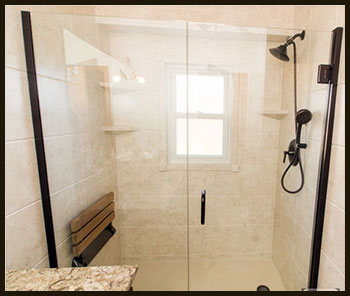
Acrylic showers are another popular choice due to their affordability and ease of installation.
Compared to Onyx, acrylic is much lighter and easier to handle.
However, it doesn’t offer the same level of durability and can scratch and stain more easily.
Acrylic also lacks the luxurious appearance of Onyx, making it a less attractive option for those looking to elevate their bathroom’s aesthetic.
- Onyx Vs. Fiberglass
Fiberglass showers are similar to acrylic in terms of price and ease of installation. They’re lightweight and easy to work with, but they also fall short in durability and aesthetics. Fiberglass is prone to scratching, cracking, and fading over time.
While it might be a good budget-friendly option, it doesn’t offer the same longevity or visual appeal as the Onyx shower system.
- Onyx Vs. Solid Surface
Solid surface showers, like those made from Corian, offer a good middle ground between acrylic and Onyx. They’re durable, easy to clean, and available in a variety of colors and finishes.
However, they still don’t quite match the high-end look and feel of Onyx. Solid surface materials can also be more expensive than acrylic or fiberglass, though still generally cheaper than Onyx.
Who Should Buy an Onyx Shower?
I particularly like it for homeowners who want:
- A long-term bathroom remodel
- Easy cleaning
- Low-entry shower
- Custom dimensions
- No grout maintenance
- A solid, premium feel
It also makes sense for people remodeling specifically to make the bathroom easier to maintain as they age.
Who Should Choose Something Else?
Tile may be better if you want:
- Highly customized patterns
- Natural-stone appearance
- Decorative mosaics
- Maximum design flexibility
Acrylic or fiberglass may be more appropriate if you want:
- Lowest price
- Very lightweight components
- Fast budget renovation
The Onyx Collection sits between those approaches: easier to maintain than tile, but more substantial and customizable than a basic plastic surround.
Also Read: Is Lanikai Rain Shower System Worth It?
Frequently Asked Questions (FAQ)
Absolutely! Onyx is a high-density resin material that mimics the look of natural stone while offering superior durability and ease of maintenance. It’s resistant to chipping, cracking, and scratching, making it an excellent choice for a long-lasting shower system.
Not necessarily. The initial cost of an Onyx shower system can be higher than that of tile. However, when you factor in the lower maintenance and longer lifespan of Onyx, it can be a more cost-effective option in the long run.
No, one of the benefits of the Onyx shower system is that it doesn’t require sealing. The non-porous surface resists stains and mold, making it easy to clean and maintain without the need for additional treatments.
It’s best to avoid using vinegar or any acidic cleaners on Onyx surfaces. These can damage the finish over time. Instead, use a non-abrasive cleaner specifically designed for use on resin or solid surface materials to keep your Onyx shower looking its best.
Wrapping Up
My overall Onyx shower system review is very positive for homeowners who want a premium shower without grout maintenance.
The system combines thick solid-surface panels, substantial custom shower bases, numerous finish choices, matching accessories, straightforward cleaning and an unusually strong guarantee.
Its main compromises are weight, initial cost, the need for careful measuring, and ongoing attention to silicone seams.
I would choose Onyx over inexpensive fiberglass when building a long-term bathroom, particularly for a custom tub-to-shower conversion or aging-in-place remodel.
Compared with tile, the decision is more personal.
Tile gives you greater artistic freedom. Onyx gives you something many homeowners appreciate more after living with the bathroom for several years: fewer joints, easier cleaning, and far less grout maintenance.
Recent Posts
2026 Bathroom Remodel Estimator Bathtub to Shower Conversion Cost Calculator Accurately calculate the true cost of converting your old bathtub into a modern walk-in shower. Estimates acrylic...
I used the Philips Multigroom 5000 for several weeks of beard hair and body grooming while tracking cutting performance battery life ease of cleaning and everyday versatility.You should buy this...