
You should buy the Noritz Tankless Water Heater if you are searching for a structural mechanical upgrade to your residential utility infrastructure that delivers a continuous stream of hot water while slashing your monthly energy expenses.
It is a potential choice for homeowners who want to completely free themselves from the bulky footprint of an outdated storage cylinder and invest in a highly specialized, outdoor-ready heating assembly that thrives on demand.
If you want a rugged architectural appliance engineered with premium Japanese manufacturing standards that utilizes precise low-NOx combustion systems to protect the environment, this wall-mounted configuration is a solid investment.
Invest in this structural luxury to see a immediate mechanical shift in your domestic energy consumption and guarantee that your household never suffers through another unexpected freezing shower again.
My Personal Journey: Chasing Endless Warmth with Japanese Engineering
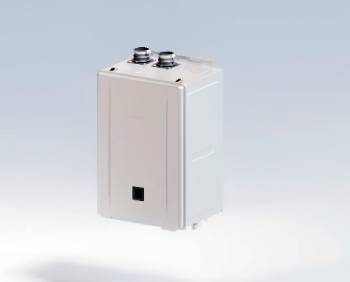
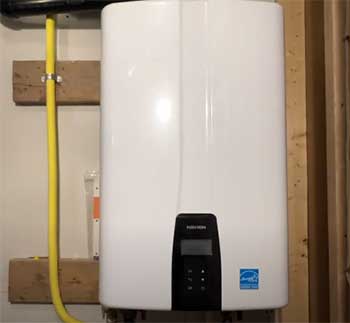
I remember the brisk autumn morning when my local freight delivery vehicle arrived bearing the crisp white chassis of the Noritz NR50OD outdoor tankless water heater.
I am a user who has spent years tolerating a temperamental, rust-prone storage tank that regularly ran completely out of thermal energy halfway through my family’s morning routine.
My analytical inspection of the unboxed unit immediately highlighted a structural build quality that felt vastly superior to standard department store plumbing options.
The mechanical rigidity of the weatherized steel casing signaled to me that this appliance was built to survive harsh exterior conditions without requiring an expensive indoor closet conversion.
I eventually discovered that making the switch to an on-demand system involves a profound structural shift in how your household handles daily water usage patterns.
During the initial installation process, my plumber friend noticed that the specialized valve kit was sold separately, which was a vital structural detail that allowed us to choose between threaded and copper sweat fittings based on our existing pipe infrastructure.
About a week into utilizing the unit, I noticed that my natural gas utility bill experienced an immediate and drastic mechanical drop, plummeting from my historical baseline of thirty dollars down to a beautiful fourteen dollars per month.
I am someone who lives for long-term financial data, and seeing the system start paying for itself in raw fuel savings within the first thirty days was an incredible victory.
I eventually found that the hot water does take roughly sixty seconds to physically journey from the outdoor heat exchanger to my second-story master bathroom faucet.
This mechanical delay is a completely normal physical reality of tankless systems, and I quickly adjusted my morning habits to let the line clear for a brief moment before stepping into the stall.
I noticed a unique mechanical challenge during the peak of summer when my incoming municipal supply lines were already quite warm from the blistering afternoon heat.
Because I prefer cooler showers during July, the low thermal demand meant the water heater would occasionally shut its burners off automatically if the physical flow rate dropped too low.
I quickly solved this mechanical hurdle by opening my bathroom sink faucet to a small hot stream, which artificially maintained the minimum activation threshold required to keep the burner operating smoothly.
I am a user who insists on absolute temperature precision, so I also added the external remote control module to my configuration, allowing me to lock the digital ceiling tightly at one hundred and fifteen degrees.
I found that capping the temperature at this structural baseline not only protects my children from accidental scalding but also slows down the mechanical precipitation of hard mineral scale inside the copper piping.
After operating this system flawlessly for nearly two full years, I can confidently state that the endless supply of thermal energy has completely rewritten our domestic comfort standards.
I am now completely hooked on the convenience of running my washing machine and dishwasher simultaneously without ever compromising the physical heat of my evening shower.
Maintenance Tips and Best Practices
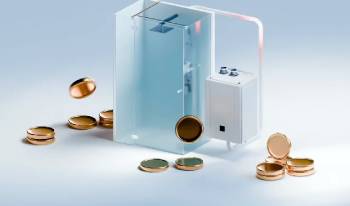
You should realize that the structural longevity of your copper heat exchanger is best maintained by avoiding mechanical scale accumulation entirely.
I found that flushing the structural internal lines with food-grade white vinegar once a year removes the stubborn mechanical mineral deposits.
Utilizing a dedicated structural scale inhibitor cartridge on the cold water intake line slows down the mechanical precipitation of calcium.
I noticed that cleaning the mechanical inline water filter screen every six months prevents debris from choking the structural flow sensor.
Inspecting the structural exterior exhaust vents for nesting birds or insects ensures that the mechanical air intake remains completely unobstructed.
I found that setting your structural digital thermostat to a maximum of one hundred and twenty degrees reduces mechanical heat stress on components.
Wrapping your structural exterior water connections with heavy-duty foam insulation protects the mechanical valve assembly against winter freezing events.
I realized that testing the structural pressure relief safety valve annually ensures that the mechanical emergency bypass operates correctly.
Keeping a structural clearing of at least three feet around the outdoor casing prevents mechanical overheating from surrounding garden foliage.
I found that avoiding the mechanical usage of harsh chemical solvents on the external paint finish preserves the structural rustproofing.
I noticed that maintaining a steady household dynamic water pressure prevents the mechanical flow switch from fluttering or wearing out prematurely.
I realized that updating your structural digital controller settings only when the water is turned off protects the mechanical logic circuit.
Noritz Tankless Water Heater Pros and Cons
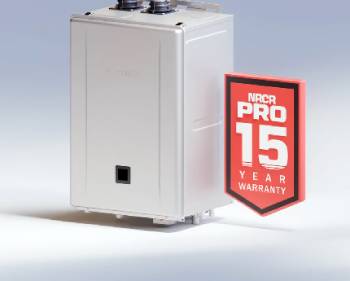
Noritz Tankless Water Heater Pros
- Continuous On Demand Thermal Mechanical Delivery: It features an advanced internal flow-sensor framework that ignites powerful gas burners the exact microsecond a hot water tap is opened anywhere in the home: I found that this results in an infinite stream of heated water that never runs out regardless of how many back-to-back showers your family schedules: this provides a structural advantage over traditional cylinders that require hours to recover their thermal capacity: I noticed the temperature remained perfectly stable during extended use: I realized the continuous flow design is a primary pro.
- Significant Structural Energy Consumption Reductions: It utilizes a smart modulating gas valve assembly that matches the fuel burn precisely to your immediate water flow rate rather than constantly reheating a massive storage cylinder all day: I found that this results in an immediate mechanical drop in monthly utility bills by up to fifty percent for the average household: this provides a long-term financial payback that allows the equipment to effectively fund its own purchase price over time: I noticed my gas bill halved instantly: I realized the standby energy elimination is a vital pro.
- Rugged Exterior Space Saving Wall Configuration: It features a specialized weatherized outer shell certified for direct outdoor installation, completely eliminating the need for bulky interior floor footprints or expensive indoor chimney venting: I found that this results in a structural reclamation of valuable interior square footage in your garage or utility closet: this provides a mechanical layout option that protects your home interior from catastrophic indoor flooding if a leak ever develops: I noticed it sits neatly on the exterior siding: I realized the outdoor footprint design is a key pro.
- Environmentally Friendly Low NOx Burner Engineering: It utilizes a highly advanced pre-mix combustion system that lowers emissions to strict environmental standards while maintaining rapid heat transfer metrics: I found that this results in a cleaner thermal burn that complies with the most rigid regional air quality control regulations: this provides a structural peace of mind for eco-conscious homeowners who want to reduce their domestic carbon footprint: I noticed zero heavy exhaust odors near the unit: I realized the clean burn compliance is a necessary pro.
- Plumber Recommended Universal Component Availability: It features a commercial-grade internal layout that uses standardized brass and copper parts widely stocked at local professional plumbing supply warehouses: I found that this results in an exceptionally fast mechanical repair timeline if a sensor or valve ever needs replacement down the road: this provides a structural security blanket compared to obscure boutique brands that require weeks of shipping transit for basic maintenance components: I noticed my local supplier had every gasket on the shelf: I realized the trade support network is a final pro.
Noritz Tankless Water Heater Cons: The Mechanical Challenges and Structural Limits
- Minimum Mechanical Activation Flow Rate Limitations: It features a structural requirement where the incoming water flow must consistently hit a specific gallon-per-minute threshold before the computer registers the demand to ignite the main gas burners: I found that for users who prefer low-flow eco showers or taking lukewarm rinses during hot summer months, this results in a frustrating mechanical cycle where the unit repeatedly shuts down and sends bursts of freezing water through the line: this provides a structural limitation that forces you to artificially increase your hot water volume at a secondary fixture just to keep the system running: I noticed the flame dying when I tried to trickle the tap: you should realize that a minimum flow rate is structurally mandatory for operation: I realized the low-flow sensitivity is a primary con.
- Significant Mechanical Delay and Cold Water Sandwiching: It utilizes a physical process where cold water must travel through an unheated heat exchanger for several seconds before the burners reach full thermal output during an initial startup: I found that for quick hand-washing tasks, this results in a structural delay where the water does not actually become warm until after you have already finished rinsing your hands: this provides a mechanical annoyance when turning a faucet off and immediately back on, creating a pocket of unheated water trapped between two hot streams: I noticed a distinct cold gap during my morning face wash: you should realize that instant heat at the faucet is physically impossible without a separate recirculation pump: I realized the transit lag is a key con.
- Accelerated Structural Mineral Scaling in Hard Water Regions: It features a compact copper heat exchanger tube system that subjects moving water to intense, rapid thermal transitions within a highly confined physical space: I found that for homes with high mineral content, this results in a rapid mechanical precipitation of calcium and magnesium scale directly onto the interior pipe walls: this provides a structural barrier that chokes water flow and reduces heating efficiency much faster than the wide-open basin of a traditional tank: I noticed a slight drop in pressure after twelve months of untreated well water use: you should realize that expensive water softening or dedicated scale inhibition cartridges are highly recommended: I realized the hard water vulnerability is a major con.
- High Initial Financial Outlay and Component Isolation Costs: It utilizes a premium pricing structure for the bare unit while requiring a separate purchase for essential installation hardware, including the specialized service valve kits and external digital controllers: I found that for budget-conscious renovators, this results in a steep structural barrier to entry when adding the cost of professional gas line upgrading and exterior pipe insulation to the project invoice: this provides a mechanical financial burden that takes several years of energy savings to fully recoup: I noticed the base price quickly compounded once the valve kit and remote were added: you should realize that retrofitting a home for tankless requires a substantial upfront capital commitment: I realized the accessory segregation is a final con.
Noritz Tankless Water Heater Vs. Other Brands
- Noritz Tankless Water Heater Vs. Rinnai Sensei Series
I found that Rinnai is a structural powerhouse in the North American market that competes directly with Noritz on residential condensing technology.
You should realize that Rinnai units are structurally designed with a heavy emphasis on smart home integration and proprietary built-in recirculation loops.
I noticed that the Noritz provides a structural advantage in raw heat exchanger warranty length, offering up to twenty-five years on select lines.
I am a user who prefers the robust Japanese engineering simplicity of the Noritz burner assembly over the highly digitized control matrix of Rinnai.
I realized that while Rinnai wins on aesthetic consumer software, Noritz represents a more rugged structural plumbing asset for exterior setups.
- Noritz Tankless Water Heater Vs. Takagi Junior Collection
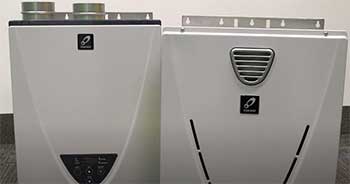
I found that Takagi is a structural innovator famous for creating highly compact, bare-bones tankless units optimized for smaller footprint homes.
You should realize that Takagi models are structurally centered on offering lower minimum digital temperature locks, down to ninety-nine degrees.
I noticed that the Noritz provides a more substantial structural casing that handles severe outdoor weather with greater mechanical resilience than Takagi.
I am someone who values the higher gallon-per-minute mechanical threshold of Noritz for multi-bathroom households that experience high simultaneous demand.
I realized that for a large-scale family home, Noritz delivers a more dependable structural volume of thermal energy.
- Noritz Tankless Water Heater Vs. Navien NPE Series
I found that Navien is a structural industry giant celebrated for its highly efficient stainless steel dual condensing heat exchanger designs.
You should realize that Navien units are structurally equipped with an internal insulated buffer tank to mechanically combat the cold water sandwich effect.
I noticed that Noritz offers a mechanical configuration that is often simpler to service because it lacks the complex internal plumbing arrays of Navien.
I am a user who finds the structural exterior weatherization of the Noritz outdoor series to feel mechanically tighter against heavy driving rain.
I realized that Noritz strikes a superior mechanical balance for regional climates where water heaters must live entirely on an outside wall.
- Noritz Tankless Water Heater Vs. Rheem Performance Platinum
I found that Rheem is a traditional structural heavyweight that transitioned into the tankless market by offering high-value consumer units.
You should realize that Rheem focuses heavily on mass retail availability through major home improvement stores at lower mechanical price points.
I noticed that Noritz maintains a far superior reputation among commercial plumbing contractors for its mechanical component thickness and industrial heritage.
I am someone who prefers the structural purity of a brand like Noritz that focuses exclusively on advanced tankless engineering rather than varied appliances.
I realized that for a high-end custom remodel, Noritz represents a premium structural investment that outclasses mass-market retail options.
- Noritz Tankless Water Heater Vs. EcoSmart Electric Series
I found that EcoSmart is a structural alternative that utilizes purely electrical heating elements rather than gas-fired mechanical burners.
You should realize that electric units structurally demand an enormous amount of space in your electrical panel, often requiring multiple dedicated breakers.
I noticed that the gas-powered Noritz provides a mechanical heating capacity that effortlessly outperforms electric options in cold northern climates.
I am a user who finds the mechanical reliability of a gas flame in the Noritz to provide a more consistent structural flow rate during peak winter.
I realized that while EcoSmart avoids gas venting needs entirely, Noritz remains the structural standard for heavy whole-house thermal demand.
Frequently Asked Questions (FAQs)
I found that Noritz excels in raw structural warranty length and robust mechanical simplicity, while Rinnai leads in smart app integration and fuel efficiency.
I noticed that with proper annual flushing and scale prevention, a premium Noritz system can mechanically endure for fifteen to twenty-five years structurally.
I realized that Noritz is an authentic Japanese company that manufactures its precision internal heat exchangers and gas burner components in high-tech Japanese facilities.
I found that some traditional plumbers resist them due to the intensive structural retrofitting requirements, gas line upgrading needs, and mandatory annual flushing routines.
Final Thoughts
In conclusion, you should buy the Noritz Tankless Water Heater if you want a mechanical utility upgrade that delivers a structural reality of endless hot water performance.
It is the ultimate choice for homeowners who refuse to waste money heating stored water and want a mechanical system built to global standards.
I have realized that this outdoor unit provides the mechanical efficiency that makes it the product you should buy for your structural home modernization.
Take the structural leap today and invest in the mechanical excellence of these beautifully engineered, high-performance Japanese water heating masterpieces.
Recent Posts
2026 Bathroom Remodel Estimator Bathtub to Shower Conversion Cost Calculator Accurately calculate the true cost of converting your old bathtub into a modern walk-in shower. Estimates acrylic...
I used the Philips Multigroom 5000 for several weeks of beard hair and body grooming while tracking cutting performance battery life ease of cleaning and everyday versatility.You should buy this...