
I used both eSalon custom permanent color and Madison Reed kits on the same hair over successive coloring cycles while tracking gray coverage tone accuracy softness shine longevity and overall application experience.
The main intent of this article is to show the practical differences in customization convenience and post-color results so you can choose the at-home permanent dye that best matches your needs.
My focus stays on real performance rather than marketing claims alone.
You will see clear side-by-side observations on gray blending hair feel and ownership practicality.
| Feature | eSalon | Madison Reed |
| Color Approach | Fully custom-formulated after consultation | Pre-selected shades with 8-free formula |
| Gray Coverage | Strong when matched correctly | Excellent especially on stubborn grays |
| Ingredient Focus | Professional-grade permanent color | Ammonia-free keratin argan oil ginseng |
| Application Style | Standard permanent process | User-friendly kit with barrier cream |
| Softness and Shine | High when formula is well matched | Noticeably conditioned after processing |
| Price Positioning | Higher due to custom service | Mid-to-premium kit pricing |
| Best For | Precise shade matching and complex goals | Reliable gray coverage and gentler formula |
| Maintenance | Standard color-safe care | Standard color-safe care |
| Flexibility | High customization per order | Consistent shade availability |
| Long-Term Value | Strong for exact matches | Strong for repeat root touch-ups |
| Scent During Use | Typical permanent color odor | Milder ammonia-free scent |
| Root Touch-Up Ease | Requires new custom order or careful measuring | Easy to split kits for roots only |
| Consultation Needed | Yes detailed before first order | No ready-to-choose shades |
| Shipping Factor | Custom batch requires wait time | Faster standard kit delivery |
My Experience Testing Both Colors Side by Side
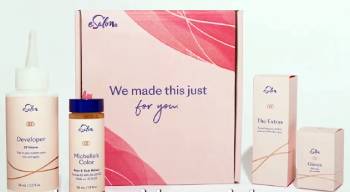
I began with a Madison Reed kit after researching ammonia-free options for stubborn grays that previous drugstore dyes had struggled to cover fully.
The package included the color cream activator gloves barrier cream and straightforward instructions.
I performed a patch test and waited the recommended time with no immediate reaction.
On application day I sectioned dry hair mixed the components and applied the barrier cream along the hairline.
The formula had a milder scent than older ammonia-based kits I had used in the past.
I worked the color from roots through the lengths and processed for the full recommended time.
Rinsing revealed a rich even tone that blended resistant grays effectively and looked dimensional rather than flat.
Immediately after the conditioning step my hair felt softer and looked shinier than it typically did after traditional box dyes.
Over the following weeks the color held well when I used sulfate-free shampoo and cooler water.
Root touch-ups applied cleanly and I was able to stretch one kit across more than one session by measuring carefully for roots only.
I then switched to eSalon for a custom formula based on a detailed consultation about my current color gray percentage porosity and desired final result.
The custom mixture arrived ready to use after the shipping period and produced a more precise match to the exact tone I had described.
Coverage remained strong across both pigmented and gray strands.
The finished color looked natural and dimensional with less guesswork than choosing from a fixed shade chart.
Post-process softness was comparable to Madison Reed yet the shade alignment felt closer to what I had requested.
Both systems required the same consistent sulfate-free aftercare to maintain longevity and prevent premature fading.
Overall Madison Reed delivered reliable gray blending conditioned feel and convenient ready-to-use kits while eSalon excelled at personalized tone matching for more specific or complex goals.
Key features such as Madison Reed’s 8-free ammonia-free formula and eSalon’s custom consultation process shaped two different yet effective at-home permanent color experiences.
My successive full applications and root touch-ups supplied the concrete coverage softness longevity and practical notes that follow.
Customization Flexibility and Shade Matching Precision
Customization flexibility and shade matching precision highlight eSalon’s core advantage.
The consultation process allowed adjustments based on current color gray level porosity and desired outcome.
Madison Reed’s pre-selected shades worked well for standard goals yet offered less room for fine-tuning undertones or depth.
Users with unique color histories or specific target tones frequently benefit from the custom route.
Also Read: My Experience With Neutrogena Hydrating Serum
Ingredient Philosophy and Sensitivity Considerations
Ingredient philosophy and sensitivity considerations shape comfort during and after use.
Madison Reed emphasizes its 8-free ammonia-free list and nourishing oils for a gentler positioning.
eSalon focuses on professional-grade permanent color matched to the individual rather than a fixed free-from list.
Both require patch testing before every application and neither guarantees zero reaction for every user.
Root Touch-Up Practicality and Kit Longevity
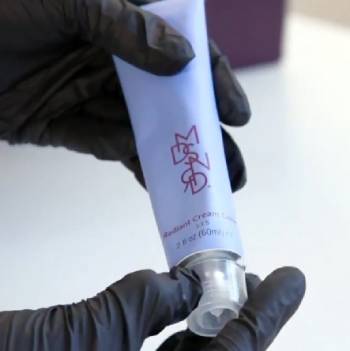
Root touch-up practicality and kit longevity influence how often new product must be purchased.
Madison Reed kits split easily for roots-only sessions and many users report stretching one box across two applications.
eSalon requires a new custom order or careful measuring of remaining product for small touch-ups.
Frequent root maintenance often feels more economical and convenient with Madison Reed.
First-Time User Experience and Learning Curve
First-time user experience and learning curve affect confidence with at-home permanent color.
Madison Reed’s ready kit and clear booklet supported a straightforward first session.
eSalon’s consultation added an extra step yet reduced shade-selection anxiety for users unsure of their exact match.
Both systems rewarded careful sectioning and full processing time.
Long-Term Color Strategy and Reordering Patterns
Long-term color strategy and reordering patterns determine which system fits ongoing needs.
Users who find a Madison Reed shade that works often stay with it for years of consistent root work.
Users who value evolving or highly specific results frequently return to eSalon for adjusted custom formulas.
Neither approach eliminates the reality of permanent color commitment and regular maintenance.
Pros and Cons Of eSalon
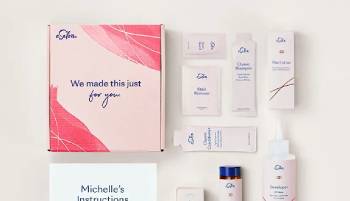
Pros Of eSalon
- Fully Custom Formula: Color is mixed specifically to match your current hair and goals.
- Precise Tone Matching: Higher likelihood of landing the exact shade you request.
- Strong Gray Coverage: Performs well when the formula accounts for gray percentage and resistance.
- Professional-Level Results: Often closer to salon outcomes for straightforward permanent color.
- Dimensional Finish: Avoids the flat single-tone look of some one-size kits.
- Consultation Support: Guidance helps refine shade selection before the order is placed.
- Suitable for Complex Needs: Useful when previous color mixed grays or unique undertones require adjustment.
- Consistent Quality Control: Custom batches maintain professional formulation standards.
- Good Softness Retention: Hair feels conditioned when proper aftercare is followed.
- Flexible Reordering: Future formulas can be adjusted based on how the previous result performed.
- Reduced Guesswork: Less risk of choosing a shade that turns out too warm or too cool.
- Supports Gradual Change: Custom approach allows subtle shifts rather than dramatic surprises.
- High Satisfaction for Specific Goals: Users with clear target tones often report stronger matches.
- Professional Ingredient Standards: Formulated to salon-level permanent color expectations.
- Adaptable Over Time: Each new order can reflect changes in gray level or desired depth.
The Analytical Cons Of eSalon
- Higher Cost Per Application: Custom service raises the price above standard kits.
- Requires Consultation Step: Ordering takes more time than selecting a ready kit.
- Permanent Chemical Process: Still involves developer and dye that alter the hair structure.
- Results Depend on Accurate Input: Incomplete or unclear details can lead to less perfect matches.
- Shipping Wait Time: Custom orders are not available for same-day or next-day use.
- Not Ideal for Last-Minute Touch-Ups: Planning ahead is necessary for every application.
- Maintenance Still Essential: Color fades without sulfate-free care and cool water.
- Sensitivity Possible: Patch testing remains important for every new formula.
- Limited for Major Lightening: Cannot replace bleach or high-lift professional services.
- Ongoing Expense: Regular custom orders add up over months and years.
- Less Convenient for Simple Roots: Measuring and reordering for small touch-ups feels heavier.
- Consultation Quality Matters: The final result depends partly on how well needs are communicated.
- No Instant Gratification: Waiting for the custom batch delays the coloring session.
- Learning Curve for First Order: New users may need one cycle to refine the formula.
- Not a Semi-Permanent Option: Commitment level remains that of permanent color.
Pros and Cons Of Madison Reed
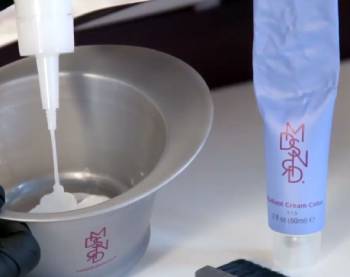
Pros Of Madison Reed
- Ammonia-Free Formula: Milder scent and reduced harshness for many users during application.
- Excellent Gray Coverage: Especially effective on stubborn or resistant grays with full processing.
- 8-Free Ingredient List: Avoids several commonly disliked components found in traditional dyes.
- Nourishing Additives: Keratin argan oil and ginseng support softer post-color feel and shine.
- Convenient Kit Format: Includes barrier cream gloves and clear step-by-step instructions.
- Reliable Root Touch-Ups: Easy to measure and apply for maintenance sessions between full colors.
- Dermatologist-Tested Claims: Adds confidence for users with sensitivity concerns.
- Consistent Shade Availability: Ready-to-order without consultation or custom delays.
- Good Shine and Softness: Hair often looks and feels better than after older traditional dyes.
- Cruelty-Free Certification: Aligns with recognized animal-testing standards.
- Predictable Results: Fixed shades deliver consistent outcomes once the right one is identified.
- Faster Access: Standard shipping or retail availability supports quicker touch-ups.
- Thoughtful Kit Contents: Barrier cream reduces staining around the hairline and ears.
- Suitable for Repeat Use: Many users stay with the same shade for years of root maintenance.
- Balanced Performance: Combines coverage softness and convenience in one package.
The Analytical Cons Of Madison Reed
- Higher Price Than Basic Box Dyes: Costs more than many traditional drugstore permanent kits.
- Permanent Chemical Process: Still commits the hair to lasting structural change.
- Shade Selection Critical: Choosing incorrectly on virgin versus colored hair affects satisfaction.
- Sensitivity Still Possible: Some users report reactions even after patch testing.
- Full Processing Time Required: Shortening the wait reduces gray coverage and depth.
- Not Completely Damage-Free: Repeated permanent coloring can still lead to dryness over time.
- Limited Customization: Pre-set shades cannot match every unique undertone or goal.
- Maintenance Remains Essential: Longevity depends on sulfate-free care and washing habits.
- Not for Major Lightening: Cannot lift previously colored hair significantly.
- Ongoing Cost Adds Up: Regular kits increase long-term spending.
- Less Precise for Complex Goals: Fixed options may fall short when undertones are unusual.
- Application Skill Still Matters: Uneven sectioning can create lines or missed spots.
- Expectations Need Realism: Delivers improved at-home results rather than full salon customization.
- Availability of Exact Shades: Some tones may sell out or require ordering.
- Not a Deposit-Only Option: Commitment level is higher than semi-permanent color.
- eSalon Vs. Madison Reed for Gray Coverage and Tone Accuracy
eSalon Vs. Other Brands
eSalon Vs. Madison Reed for Gray Coverage and Tone Accuracy
Gray coverage and tone accuracy create one of the clearest decision points between the two systems.
I recorded how thoroughly each blended resistant grays and how closely the final shade matched what I expected.
Madison Reed delivered excellent coverage with straightforward kit application and full processing time.
eSalon produced equally strong coverage with a more precise final tone when the consultation details accurately reflected my current hair and goals.
Users whose primary need is reliable gray blending often find Madison Reed sufficient and convenient.
Users who have struggled with undertones or previous color mismatches frequently gain from eSalon’s custom approach.
- eSalon Vs. Madison Reed for Softness Shine and Post-Color Feel
Softness shine and post-color feel influence how the hair looks and behaves in the days and weeks after processing.
Both systems left my hair softer and more reflective than older ammonia-based box dyes.
Madison Reed’s keratin argan oil and ginseng blend was noticeable immediately after rinsing and conditioning.
eSalon matched that conditioned feel when the custom formula suited my hair’s porosity and condition.
Proper aftercare with sulfate-free products proved more important than the brand difference for maintaining softness over time.
- eSalon Vs. Madison Reed for Application Experience and Convenience
Application experience and convenience affect whether the process feels manageable for regular at-home use.
Madison Reed offered a complete ready-to-use kit with barrier cream and simple instructions that supported same-week coloring.
eSalon required the consultation step and shipping wait yet the custom mixture applied with similar ease once it arrived.
Users who want immediate availability and simple root touch-ups often prefer Madison Reed.
Users willing to plan ahead and invest in precise matching gain from eSalon’s personalized service.
- eSalon Vs. Madison Reed for Longevity Fading and Maintenance
Longevity fading and maintenance determine long-term ownership cost and effort.
Both colors held their depth for several weeks under sulfate-free shampoo and cooler water temperatures.
Root growth appeared at the normal rate and touch-ups restored coverage cleanly with either system.
Neither eliminated the need for regular maintenance or color-safe care.
Consistency in aftercare influenced fading speed more than the choice between custom and kit formulas.
- eSalon Vs. Madison Reed for Value and Ownership Outlook
Value depends on how purchase price compares with results frequency of use and personal priorities.
Madison Reed provides strong gray coverage and conditioned feel at a predictable kit price that supports easy reordering.
eSalon costs more per application yet delivers higher shade precision for complex or highly specific goals.
Short-term convenience and straightforward gray coverage favor Madison Reed.
Long-term exact matching and reduced shade guesswork often favor eSalon for users who reorder custom formulas regularly.
Also Read: My Experience With IGK Hair Color
Frequently Asked Questions (FAQs)
Some consumer discussions and legal filings have appeared over time regarding claims or reactions yet status and outcomes vary and should be verified through official sources.
Other ammonia-free or gentler permanent kits such as certain IGK shades and select professional-inspired at-home lines are often compared for gray coverage and post-color feel.
No single brand suits everyone. The best choice depends on gray percentage desired customization level ingredient priorities and budget.
Users frequently praise the custom matching and professional-looking results while noting the higher cost and need to plan ahead for shipping.
Final Thoughts
I compared eSalon and Madison Reed across successive coloring cycles and found clear differences in customization convenience and shade precision.
The main intent remains giving you practical side-by-side observations on gray coverage hair feel and ownership so you can select the permanent color system that matches your priorities.
Madison Reed delivers reliable ammonia-free kits with strong gray blending and conditioned results while eSalon excels at personalized tone matching for more specific goals.
You now have the detailed experience to decide which approach belongs in your routine.
Recent Posts
I used both the Philips Norelco Multigroom 5000 and Multigroom 7000 side by side for several weeks of face head and body grooming while tracking cutting performance battery life attachment...
2026 Bathroom Remodel Estimator Bathtub to Shower Conversion Cost Calculator Accurately calculate the true cost of converting your old bathtub into a modern walk-in shower. Estimates acrylic...