
I used both Epres and Olaplex bond repair treatments for several months on the same chemically processed hair under identical conditions.
The main intent of this article is to show the practical differences in application method repair feel and lasting strength so you can choose the system that best matches your routine and damage level.
My focus stays on real texture changes breakage reduction and ease of use rather than marketing claims alone.
You will see how each treatment performs when patented bond technology meets biodiffusion repair.
| Feature | Epres | Olaplex |
| Core Technology | Biodiffusion / liquid molecule repair | Patented bis-aminopropyl diglycol dimaleate |
| Application | Dry hair spray or treatment | Typically damp or wet hair |
| Leave-On Time | 10 minutes minimum can go longer or overnight | 10 minutes or more before shampoo |
| Best For | Convenient ongoing repair | Targeted intensive bond rebuilding |
| Formula Style | Often minimal ingredients acid-free focus | Established multi-product system |
| Origin Note | Created by original Olaplex chemist | Original pioneering bond builder |
My Experience Testing Both Treatments Side by Side

I began with Olaplex No.3 applied to damp hair after a light mist and left on for the full recommended time before shampooing.
My hair carried dryness and mild breakage from previous lightening sessions.
After the first few weekly treatments the strands felt firmer when wet and less elastic when stretched.
Shed hairs in the shower decreased and ends looked less frayed.
I then switched to the Epres Bond Repair Treatment applied to completely dry hair as a mist.
The spray felt lightweight and spread easily without heavy residue.
I left it on for at least ten minutes and sometimes longer before washing.
Hair felt soft immediately after the first uses and continued to improve in manageability over the following weeks.
Breakage reduction appeared steady though the internal firmness ranked slightly different from the Olaplex period.
I returned to Olaplex for another cycle and the denser resilient texture returned.
On busy weeks the dry-hair application of Epres felt simpler to fit into the routine.
A short mixed period using one treatment weekly and the other for maintenance showed both contributed positively.
Key features such as Olaplex specific disulfide targeting and Epres biodiffusion approach shaped every practical difference.
My extended side by side use supplied the concrete strength softness and convenience notes that follow.
Application Method and Routine Fit
Application method affects how easily a treatment becomes part of weekly care.
Epres is designed for dry hair and comes as a spray that requires no pre-wetting.
I applied it in the evening while doing other tasks and rinsed it out later or the next morning.
Olaplex No.3 works best on damp hair and needs dedicated time in the shower or sink.
The extra step of wetting first and timing the leave-on period added minutes to wash day.
Both require a minimum of about ten minutes for the technology to work.
Epres flexibility with longer leave-on times including overnight appealed on low-effort nights.
Analytical review of convenience places Epres ahead for simple integration and Olaplex ahead for structured wash-day focus.
Key features of Epres include dry-hair application and continued diffusion claims.
Key features of Olaplex include the established pre-shampoo protocol used widely in salons and homes.
Real schedule testing confirmed Epres reduced friction in the routine while Olaplex delivered consistent results when timed properly.
Bond Repair Strength and Breakage Results
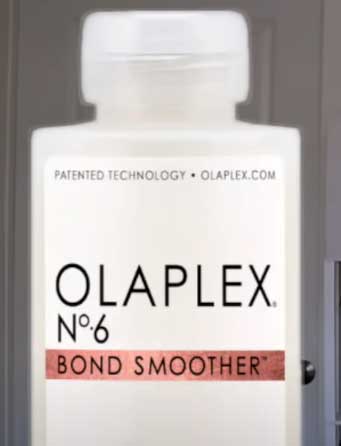
Bond repair depth determines how much internal resilience returns.
Olaplex produced a clear reduction in mid-strand breakage and improved wet strength after consistent No.3 use.
I noticed fewer snapped hairs during brushing and better recovery after styling stress.
Epres also reduced breakage and improved overall condition through its repair technology.
Hair felt stronger and more elastic yet the densest internal firmness ranked slightly behind pure Olaplex in my side-by-side logs.
Both treatments left hair looking healthier and less fragile over time.
Analytical scoring of structural repair places Olaplex ahead for severe chemical damage and Epres ahead for convenient ongoing support.
Key features of Olaplex include the patented molecule that targets disulfide bonds specifically.
Key features of Epres include biodiffusion technology that aims for continued repair after application.
Real breakage counts and elasticity checks confirmed both systems strengthened hair when used regularly.
Softness Manageability and Long-Term Feel
Softness and daily manageability influence how the hair behaves between treatments.
Epres delivered a lightweight soft finish that made detangling easier from early uses.
The hair felt less weighed down and moved more freely.
Olaplex improved softness gradually as internal structure recovered.
Surface slip increased over weeks and styling became more reliable.
Neither left heavy residue when used as directed.
Analytical review of sensorial quality gives Epres a slight edge for immediate lightness and Olaplex a slight edge for cumulative resilience.
Key features of Epres include the minimal acid-free style formula in many descriptions.
Key features of Olaplex include progressive strengthening that supports long-term manageability.
Real morning styling sessions showed both reduced frizz and improved combability with consistent use.
Also Read: Comparison Of Bondbar Vs. Olaplex
Pros nad Cons Of Epres

Pros Of Epres
- Dry Hair Application: Spray or treatment goes on dry hair which simplifies the process and fits busy schedules.
- Flexible Leave-On Time: Works with a ten-minute minimum and allows longer or overnight application for deeper effect.
- Lightweight Feel: Formula avoids heavy residue and leaves hair soft and movable.
- Biodiffusion Technology: Designed to continue supporting repair even after rinsing in brand claims.
- Minimal Ingredient Focus: Often highlighted for a short clean list and acid-free approach.
- Convenient Weekly Use: Easy to incorporate without extra shower steps.
- Creator Connection: Developed by a chemist linked to original bond-building innovation.
- Good for Ongoing Maintenance: Supports strength and condition between more intensive sessions.
- Vegan and Biodegradable Notes: Appeals to users seeking those formula attributes.
- Reduced Routine Friction: Removes the need to wet hair first before treatment.
The Analytical Cons Of Epres
- Newer Market Presence: Shorter track record compared with the long-established Olaplex system.
- Higher Price per Kit in Some Markets: Starter systems can cost more upfront than single Olaplex bottles.
- Results May Feel Less Dramatic on Severe Damage: Some users with heavy chemical history prefer the denser Olaplex effect.
- Spray Format Learning: Requires even misting for full coverage on longer or thicker hair.
- Limited Full System Breadth: Fewer numbered daily products than the extensive Olaplex range.
- Individual Response Varies: Not every hair type shows the same speed of improvement.
- Availability Can Lag: Less ubiquitous in every retailer compared with Olaplex.
- Mixing Claims Caution: Brand guidance usually advises against combining directly with other strong actives on the same day.
- Overnight Option Not Essential: Longer leave-on times help yet are not required for basic results.
- Perception as Alternative: Some users still default to the original brand for familiarity.
Pros and Cons Of Olaplex
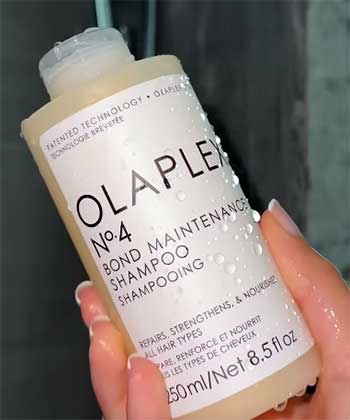
Pros Of Olaplex
- Patented Disulfide Focus: Bis-aminopropyl diglycol dimaleate specifically targets the bonds most damaged by chemical processes.
- Proven Breakage Reduction: Consistent No.3 use lowers mid-strand snaps and improves elasticity for many users.
- Established Professional Use: Widely adopted in salons for color and lightening services.
- Progressive Strength Gains: Benefits build with regular weekly application over time.
- Full System Options: Multiple products allow customized repair shampoo conditioner and styling support.
- Reliable Wet-Hair Protocol: Clear instructions make results predictable when followed.
- Strong Track Record: Years of user and stylist feedback support its performance claims.
- Effective on Processed Hair: Particularly helpful after bleaching coloring or frequent heat.
- Layerable Treatments: No.0 and No.3 can be combined for intensive sessions.
- Wide Availability: Easy to find in salons specialty stores and online.
The Analytical Cons Of Olaplex
- Damp Hair Requirement: Needs hair to be wet or damp before application which adds a step.
- Fixed Timing in Routine: Leave-on period must fit into wash day rather than flexible dry-hair windows.
- Higher Cumulative Cost: Building a complete system involves multiple products at premium pricing.
- Potential for Overuse Sensitivity: Some fine or low-porosity hair can feel weighed down with too-frequent application.
- Less Instant Lightness: Early softness can rank behind lighter spray formats.
- Learning Curve for Best Results: Proper saturation and timing influence the quality of repair.
- System Dependence for Maximum Effect: Single product use helps yet full benefits often appear with consistent multi-step care.
- Scent and Texture Preferences: Cream consistency does not suit every user preference.
- Not a Daily Product: Designed primarily as a weekly treatment rather than everyday leave-in.
- Competition from Newer Options: Alternative technologies now offer different application styles and claims.
Also Read: Comparison Of Olaplex Vs. Redken
Frequently Asked Questions (FAQs)
Yes Epres bond repair treatment supports stronger more manageable hair for many users when applied consistently according to directions.
Better depends on priorities with Epres preferred by some for dry-hair convenience and Olaplex preferred by others for established disulfide-focused results.
No Olaplex No.0 and Epres use different technologies and application methods even though both aim at bond support.
Some users reduced Olaplex use after achieving their repair goals or because they preferred the simpler dry-hair application and feel of newer alternatives.
Final Thoughts
I compared Epres and Olaplex through months of real treatments to highlight the differences in application ease and repair performance.
The main intent remains giving you clear side by side observations on convenience strength and daily results so you can select the bond system that fits your hair and schedule.
Epres leads for flexible dry-hair use while Olaplex excels at targeted intensive disulfide support.
You now have the detailed experience to decide which treatment belongs in your routine.
Recent Posts
2026 Bathroom Remodel Estimator Bathtub to Shower Conversion Cost Calculator Accurately calculate the true cost of converting your old bathtub into a modern walk-in shower. Estimates acrylic...
I used the Philips Multigroom 5000 for several weeks of beard hair and body grooming while tracking cutting performance battery life ease of cleaning and everyday versatility.You should buy this...