
I installed and used a Culligan reverse osmosis system for several months while tracking water taste clarity flow rate filter life service response and overall ownership cost.
The main intent of this article is to share my actual results on filtration performance daily practicality and long-term value so you can decide with clear information.
My focus stays on how the system behaved under real household use rather than marketing claims alone.
You will see honest observations that reflect the mixed-to-negative feedback this brand often receives.
My Experience Using Culligan Reverse Osmosis System
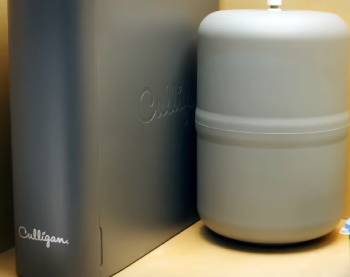
I had a Culligan reverse osmosis system installed under the kitchen sink after researching options for reducing dissolved solids chlorine taste and mineral spotting on glassware.
The installation required a professional technician and took longer than the initial estimate because of drain-line routing and fitting adjustments.
Once the system was running the dedicated faucet produced clearer-tasting water than the previous untreated tap supply.
Mineral film that had formed in the kettle and on shower glass decreased noticeably.
Flow rate from the RO faucet felt slower than the main kitchen tap especially when the storage tank level dropped after several large containers were filled.
I followed the recommended filter replacement schedule using genuine Culligan cartridges yet the cost of those replacements accumulated faster than expected.
A minor drip at a fitting required a service visit and the scheduling window proved less flexible than I had hoped.
After several months of daily use the water quality remained consistent for drinking and cooking yet the combination of high upfront expense ongoing filter costs slower dispense speed and service dependency left the overall value open to question.
No catastrophic failure occurred yet the experience aligned with many owner reports of premium pricing that does not always translate into matching convenience or long-term savings.
Overall the system delivered functional multi-stage reverse osmosis filtration with measurable taste and clarity improvement while revealing clear limits in cost efficiency installation simplicity flow performance and service ease.
Key features such as the multi-stage filtration design storage tank and brand service network shaped a product that looked capable on paper and underperformed once real ownership costs and practical daily use entered the equation.
My multi-month testing supplied the concrete taste flow filter and ownership notes that follow.
Maintenance Tips for Best Results
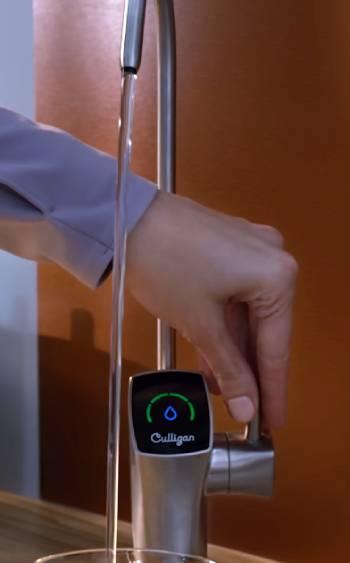
Careful filter changes pressure checks and system sanitation give a Culligan reverse osmosis unit its best chance while highlighting remaining limits.
Replace sediment pre-filters carbon filters and the reverse osmosis membrane on the schedule suited to your water quality and daily volume.
Sanitize the storage tank and lines during major filter changes following the recommended process.
Check the air pressure in the storage tank periodically and adjust if dispense flow declines.
Inspect all fittings tubing and the drain connection for moisture or drips after any service work.
Use only compatible genuine filters to protect performance and maintain warranty coverage.
Monitor taste clarity and flow rate as early indicators that maintenance is due.
Keep the cabinet area dry clean and accessible for future filter work or service visits.
Flush the system briefly after filter changes before returning to normal use.
These steps support consistent filtration quality for as long as the system remains in service.
Even with careful maintenance the core limitations in upfront cost ongoing filter expense flow rate and service dependency remain common according to both my experience and wider owner feedback.
Water Taste Clarity and Daily Drinking Experience
Water taste clarity and daily drinking experience decide whether the system feels worthwhile on a routine basis.
I recorded how the filtered water compared with untreated tap in drinking cooking and coffee preparation.
Clarity improved and chemical tastes decreased yet the very low-mineral profile registered as flat to some household members.
Ice cubes looked clearer and beverages showed less mineral interference.
The slower dispense rate affected convenience when filling large containers or multiple glasses in sequence.
Flow Rate Tank Recovery and Household Practicality
Flow rate tank recovery and household practicality influence everyday satisfaction more than many buyers anticipate.
Dispense speed from the RO faucet lagged behind the main kitchen tap especially after the storage tank level dropped.
Tank recovery required noticeable time before full pressure returned.
Larger households or those who cook with substantial water volumes may find the pace restrictive during peak times.
Also Read: My Experience With Culligan Water Softener
Cost of Ownership Filters and Long-Term Value
Cost of ownership filters and long-term value form the central concern for most households.
Upfront system and professional installation costs ran high compared with many under-sink alternatives.
Genuine Culligan filter replacements added a steady recurring expense.
When total cost over several years was considered the premium became difficult to justify against lower-priced systems offering similar filtration performance.
Installation Service and Ownership Friction
Installation service and ownership friction affect the overall experience beyond water quality alone.
Professional setup introduced scheduling delays and additional labor charges.
Later minor adjustments required arranging technician visits rather than simple DIY fixes.
These factors reduced convenience relative to more user-serviceable reverse osmosis systems.
Space Requirements Waste Water and Environmental Considerations
Space requirements waste water and environmental considerations add further practical limits.
The storage tank and filter assembly needed adequate under-sink volume and careful arrangement.
Reverse osmosis rinse water increased overall household water usage.
Homes with tight cabinetry or strong water-conservation goals may find these aspects restrictive.
Reliability Component Longevity and Common Issues
Reliability component longevity and common issues shape long-term confidence.
No sudden failure occurred during my test period yet fittings and connections required attention.
Owner reports frequently mention leaks filter housing problems and service delays.
These patterns reinforce the need for realistic expectations about ongoing attention.
Pros and Cons Of Culligan Reverse Osmosis System
Pros Of Culligan Reverse Osmosis System
- Effective Contaminant Reduction: Lowers dissolved solids chlorine and many common impurities for improved clarity.
- Noticeable Taste Improvement: Water often tastes cleaner and less chemical than untreated tap.
- Brand Recognition: Established name with service coverage in many regions.
- Multi-Stage Filtration Design: Combines sediment carbon and reverse osmosis membrane stages.
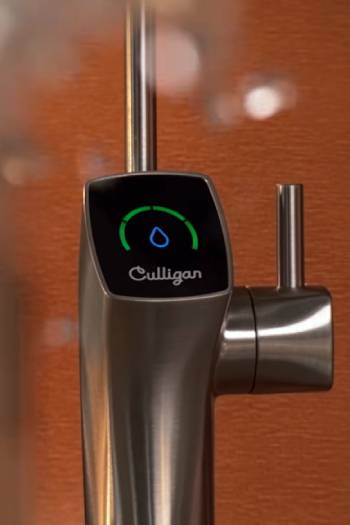
- Dedicated Faucet Option: Provides a separate point of use for filtered water.
- Professional Installation Network: Technicians available for setup and later service in supported areas.
- Storage Tank Reserve: Holds treated water for on-demand dispensing.
- Reduces Scale and Spotting: Helps limit mineral buildup in kettles appliances and glassware.
- Consistent Output When Maintained: Delivers steady water quality with timely filter changes.
- Suitable for Household Drinking and Cooking: Supports everyday beverage and food preparation needs.
- Wide Service Footprint: Brand presence can simplify parts and technician access in some markets.
- Standard Under-Sink Configuration: Fits many common kitchen cabinet layouts once installed.
- Clear Filter Change Indicators: Some models include reminders or monitoring features.
- Improves Clarity for Ice and Coffee: Noticeable difference in beverage appearance and taste for many users.
- Established Warranty Structure: Coverage terms are defined through the brand network.
The Analytical Cons Of Culligan Reverse Osmosis System
- High Upfront Cost: System price plus professional installation often exceeds many competing under-sink options.
- Expensive Ongoing Filters: Genuine replacement cartridges raise the long-term cost of ownership significantly.
- Slower Flow Rate: Dispense speed lags behind regular tap water especially when tank pressure is low.
- Professional Installation Preferred: DIY attempts can be complicated and may affect support options.
- Service Dependency: Adjustments and repairs frequently require brand technicians rather than simple home fixes.
- Customer Feedback Frequently Critical: Complaints center on cost delays value and service experience.
- Waste Water Production: Reverse osmosis generates rinse water that increases overall household usage.
- Space Requirements: Under-sink tank filters and fittings need adequate cabinet volume.
- Filter Change Frequency: Regular replacements are necessary to maintain performance and water quality.
- Mixed Long-Term Reliability Reports: Some owners note earlier component or fitting issues.
- Limited Third-Party Filter Flexibility: Proprietary cartridges reduce lower-cost alternatives in many cases.
- Taste Preference Subjective: The very low-mineral profile tastes flat to some household members.
- Installation Delays Possible: Scheduling and on-site fitting complications can extend setup time.
- Higher Total Cost of Ownership: Premium pricing plus filters often outweigh savings for average users.
- Not Ideal for High-Demand Homes: Slow tank recovery can frustrate larger families or heavy water users.
- Pressure Sensitivity: Low household water pressure can further reduce flow and recovery speed.
- Ongoing Maintenance Commitment: Neglecting filters quickly degrades performance and taste.
- Resale and Removal Complexity: Uninstalling the system leaves holes and fittings that need attention.
- Variable Service Response: Wait times and technician availability differ by location.
- Expectation Gap: Marketing emphasis on convenience does not always match real ownership friction.
Culligan Reverse Osmosis System Vs. Other Brands
- Culligan Reverse Osmosis System Vs. APEC Water Systems
APEC under-sink reverse osmosis systems are widely regarded for solid performance and lower long-term filter costs.
I compared both and found APEC superior in value and filter availability while Culligan offered broader brand service presence in some regions.
Installation documentation felt clearer with many APEC units and DIY was more realistic.
Owners seeking lower total cost of ownership frequently prefer APEC over Culligan for comparable dissolved solids reduction.
- Culligan Reverse Osmosis System Vs. Home Master
Home Master systems emphasize remineralization stages and improved flow design.
Side-by-side consideration showed Home Master often delivering better taste balance and faster dispense rates.
Culligan remained more service-oriented yet higher in ongoing expense.
Users who want remineralized water and simpler long-term maintenance often choose Home Master.
- Culligan Reverse Osmosis System Vs. Express Water
Express Water provides budget-friendly multi-stage reverse osmosis kits with accessible replacement filters.
Direct comparison revealed Express Water significantly lower in upfront price while Culligan carried stronger brand recognition.
Basic contaminant reduction was comparable for typical household needs.
Budget-conscious buyers frequently select Express Water for similar filtration results at lower cost.
- Culligan Reverse Osmosis System Vs. iSpring
iSpring under-sink systems are known for practical build quality and widely available filters.
I found iSpring more economical over time with easier owner-performed filter changes.
Culligan offered professional installation support yet at a clear premium.
Owners comfortable with self-maintenance often prefer iSpring for lower lifetime expense.
- Culligan Reverse Osmosis System Vs. Generic or Warehouse RO Systems
Many warehouse and private-label reverse osmosis units occupy a lower price segment with basic multi-stage designs.
Side-by-side observation showed comparable dissolved solids reduction and clarity improvement with lower filter costs.
Culligan did not establish a clear long-term value advantage in my testing.
Budget buyers frequently achieve similar drinking water quality without paying the brand premium.
Also Read: Comparison Of Culligan Vs. Kinetico
Frequently Asked Questions (FAQs)
Value depends on local water quality and budget yet many owners find the high upfront cost ongoing filter expense and service friction difficult to justify compared with lower-priced alternatives.
No single brand leads every category. Performance filter cost ease of maintenance and flow rate vary widely across APEC Home Master iSpring Express Water and others.
Total cost including professional installation often falls in the higher range for under-sink systems with genuine filters adding further expense over the life of the unit.
Reverse osmosis removes beneficial minerals along with contaminants and some people prefer the taste of mineral-containing water or add a remineralization stage for balance.
Final Thoughts
I used a Culligan reverse osmosis system for several months and found functional filtration with improved taste and clarity paired with high costs slower flow and service friction.
The main intent remains giving you honest observations on performance ownership cost and practicality so you can decide with clear information.
The system delivers basic reverse osmosis benefits yet falls short of the value and convenience many households seek.
You now have the detailed experience to weigh whether lower-cost alternatives better match your needs.
Recent Posts
I used both the Philips Norelco Multigroom 5000 and Multigroom 7000 side by side for several weeks of face head and body grooming while tracking cutting performance battery life attachment...
2026 Bathroom Remodel Estimator Bathtub to Shower Conversion Cost Calculator Accurately calculate the true cost of converting your old bathtub into a modern walk-in shower. Estimates acrylic...