
Choosing the perfect whitening toothpaste can feel like a maze when you are constantly bombarded by flashy commercials and bright packaging.
I know how frustrating it is to spend money on products that promise a Hollywood smile but deliver zero changes.
In this ultimate showdown, I will compare Crest and Colgate whitening toothpastes to help you discover which formula actually removes stubborn coffee, tea, or smoke stains without destroying your enamel.
By analyzing their active ingredients, abrasiveness, and real-world performance, you will know exactly which tube deserves a spot on your bathroom counter.
Head-to-Head Comparison
| Feature | Crest Whitening Formulas (e.g., 3D White) | Colgate Whitening Formulas (e.g., Optic White) |
| Primary Active Agent | Hydrated Silica (Abrasive) / Hydrogen Peroxide (Low %) | Hydrogen Peroxide (Up to 5% Bleaching Agent) |
| Whitening Mechanism | Surface stain scrubbing (Extrinsic) | Deep enamel penetration (Intrinsic + Extrinsic) |
| Speed of Results | Visible surface brightness in 3 to 5 days | Deeper shade lifting over 1 to 4 weeks |
| Enamel Safe Profile | Safe for healthy enamel; higher surface friction | Highly effective; requires care for enamel wear |
| Sensitivity Risk | Moderate temporary gum or tooth tingling | Higher due to deep hydrogen peroxide bleaching |
| Taste and Texture | Sweet, high-foaming, intense cool mint | Slightly gritty, chemical hint, moderate foam |
Understanding Toothpaste Whitening Mechanisms
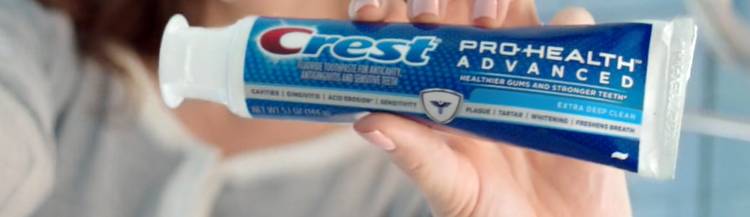
To evaluate these oral care giants, we must first look at how they approach stain removal.
Your teeth experience two types of discoloration: extrinsic and intrinsic.
Extrinsic stains live on the outer surface of your teeth, usually caused by dark liquids, food pigments, and daily debris.
Intrinsic stains are deeply embedded within the microscopic pores of your dental enamel and dentin, accumulating over long periods.
Crest traditionally built its legacy on masterful surface polishing.
Most products in the Crest 3D White lineup use micro-cleansing crystals or hydrated silica to physically scrub away food and drink residues.
This mechanical action clears the outer barrier of your teeth quickly, making your smile look immediately brighter after just a few sessions.
Colgate takes a completely different path by incorporating professional-grade chemical bleaching agents into its premium lines.
The Colgate Optic White series relies heavily on hydrogen peroxide, which is the exact same chemical ingredient that dental professionals use during in-office whitening treatments.
Instead of merely scratching away surface debris, hydrogen peroxide undergoes a chemical reaction that safely penetrates your porous enamel matrix.
This oxygenation process breaks down the deep-set chemical bonds of internal stains, altering the actual base color of your teeth.
Choosing between these brands means deciding whether your teeth need a thorough surface polish or an intensive chemical deep-clean.
Detailed Analysis of Crest Whitening Toothpaste
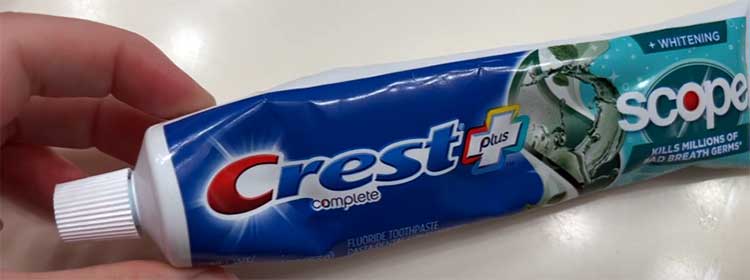
When you pick up a tube of Crest 3D White Brilliance or Advanced Whitening, you are accessing a formula optimized for high-speed surface stain elimination.
The texture is typically smooth, rich, and creates a dense foam that easily coats every corner of your mouth.
Crest utilizes a specialized polyphosphate technology that serves a brilliant dual purpose.
As you brush, these polyphosphates dissolve and loosen the grip of tightly bound pigments left behind by your daily coffee or tea.
Once those surface stains are lifted by the mild hydrated silica abrasives, the polyphosphates form a chemical shield over your enamel.
This invisible barrier actively prevents new stain molecules from adhering to your teeth for up to twelve hours after brushing.
The immediate cosmetic payoff is one of the biggest reasons people stick with this brand.
Because it targets the outermost layer, you will notice an enhanced surface gloss and a cleaner look within less than a week.
The physical sensation is incredibly refreshing, driven by strong, long-lasting menthol flavors that completely mask any underlying chemical taste.
Pros:
- Rapidly lifts tough surface stains from foods, berries, and dark sodas.
- Prevents future discoloration by forming a protective anti-stain shield.
- Produces a very satisfying, deep-cleaning foam that reaches between crowded teeth.
- Features some of the most refreshing and long-lasting mint flavors on the market.
Cons:
- Struggles to alter the natural, deep-set intrinsic yellowing of aging teeth.
- High physical foaming can occasionally hide patches you missed if you brush too quickly.
- Polyphosphate crystals can cause minor tissue peeling inside the cheeks for highly sensitive users.
Detailed Analysis of Colgate Whitening Toothpaste
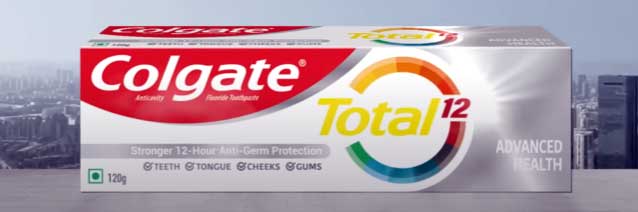
Colgate completely flips the script by prioritizing intrinsic molecular bleaching through its Optic White Renewal and Pro Series lines.
If you look closely at the ingredient list, you will find active concentrations of hydrogen peroxide ranging from 2% all the way up to an impressive 5%.
This is not just a standard cleaning paste; it behaves much more like a continuous, low-dose cosmetic whitening treatment.
When this paste mixes with your saliva, it releases active oxygen bubbles that travel deep past the surface layer.
These bubbles oxidize years of dark pigments caused by red wine, dark sauces, or genetic discoloration that traditional abrasives could never touch.
Because this process changes the internal shade of the tooth structure, the whitening results are genuinely transformative over time.
The texture of Colgate’s peroxide formulas feels noticeably denser and slightly less bubbly than standard pastes.
You might feel a mild, warm sensation in your mouth during your two-minute session, which is a physical sign of the peroxide actively oxygenating.
Colgate balance this intense chemical action by using stannous fluoride or sodium monofluorophosphate to simultaneously rebuild enamel minerals and ward off decay.
Pros:
- Contains actual hydrogen peroxide capable of changing the internal shade of your teeth.
- Unrivaled performance at erasing deeply embedded, multi-year structural stains.
- The only major drugstore lineup offering up to 5% professional-strength bleaching components.
- Effectively prevents cavities and hardens enamel while actively lightening teeth.
Cons:
- Takes longer to show maximum results as chemical oxidation requires several weeks of consistent use.
- The underlying peroxide can leave a slight medicinal or bitter aftertaste.
- Increased risk of temporary tooth sensitivity or gum irritation if used incorrectly.
Also Read: My Thoughts On Ms Drwikey Toothpaste
Real User Experiences and Sensory Differences
Brushing your teeth is a highly sensory routine, and switching between these two brands reveals a stark contrast in daily experience.
Using Crest feels like a premium, refreshing spa session for your mouth.
The paste glides smoothly over your teeth, lathers up instantly, and leaves your breath feeling icy cold for hours.
If you love that ultra-clean, tingly feeling that makes your whole mouth feel completely renewed, Crest satisfies that preference perfectly.
Colgate feels much more like a purposeful, clinical treatment.
Because hydrogen peroxide is highly reactive, the paste can feel a bit heavy or slightly dry when it first touches your tongue.
The foaming action is controlled and deliberate rather than explosive.
Some users report a unique warmth as the formula activates against their gums, accompanied by a clean, neutral mint flavor that favors function over sweetness.
If you value measurable, deep shade transformation over an intense blast of sweetness, you will easily overlook Colgate’s clinical texture.
Maintaining Your Whitened Smile
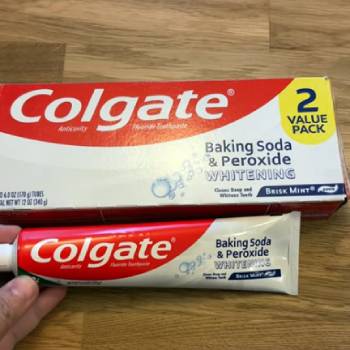
Investing in a premium whitening toothpaste is only half the battle; keeping your smile bright requires smart daily habits.
To maximize the benefits of either formula, you should commit to brushing for a full two minutes twice a day using an electric toothbrush with soft bristles.
Hard bristles combined with whitening pastes can create microscopic scratches on your enamel, making your teeth more vulnerable to future stains.
Pay close attention to your diet immediately after brushing.
Your enamel pores are slightly more receptive to staining right after a deep chemical or physical cleaning.
If you must drink coffee, iced tea, or dark juices, consider using a straw to bypass your front teeth entirely.
Rinsing your mouth thoroughly with plain water after eating highly pigmented meals will wash away loose staining agents before they settle.
Rotating your whitening products with an enamel-replenishing or sensitivity-focused toothpaste every few months keeps your oral microbiome balanced and your teeth comfortably strong.
Also Read: My Thoughts On Nano Hydroxyapatite Toothpaste
Frequently Asked Questions (FAQs)
Colgate Optic White Renewal is widely considered the top recommended whitening toothpaste by dental experts due to its clinical-grade 3% hydrogen peroxide formula that safely bleaches teeth intrinsically.
Dentists generally view both brands highly as they both hold American Dental Association safety approvals, but they lean toward Crest for fast surface stain removal and Colgate for deep structural bleaching.
Colgate Optic White Pro Series with 5% hydrogen peroxide is the most effective over-the-counter option for actual shade alteration, while Crest 3D White Brilliance is best for rapid surface polishing.
Crest 3D White Deep Stain Remover or high-abrasive smoker-specific formulas are ideal because they use robust hydrated silica particles to physically scrub away heavy, sticky tobacco tars from enamel.
Final Thoughts
Deciding between Crest and Colgate whitening toothpaste ultimately depends on what your unique smile requires to shine.
If you want a highly refreshing experience that rapidly clears away recent food stains while coating your mouth in a protective shield, Crest is your ideal match.
However, if you are dealing with deep, yellow discoloration from years of coffee or tobacco and want a real shade transformation, Colgate’s hydrogen peroxide formulas are worth the investment.
Assess your sensitivity levels, choose the mechanism that targets your specific type of discoloration, and enjoy the confidence of a healthier, brighter smile.
Recent Posts
2026 Bathroom Remodel Estimator Bathtub to Shower Conversion Cost Calculator Accurately calculate the true cost of converting your old bathtub into a modern walk-in shower. Estimates acrylic...
I used the Philips Multigroom 5000 for several weeks of beard hair and body grooming while tracking cutting performance battery life ease of cleaning and everyday versatility.You should buy this...