
For deep-cleaning carpet, a carpet shampooer or extractor is usually the better choice than a true steam cleaner.
The confusion comes from the word “steam cleaning.” Professional carpet cleaning is often called steam cleaning even though many machines actually use hot-water extraction: they spray water and cleaning solution into the carpet and immediately vacuum dirty liquid back out.
A true vapor steamer works differently. It produces extremely hot, low-moisture steam and is much better suited to hard surfaces than soaking up dirt from wall-to-wall carpet.
A Brief Comparison Table
Let’s start with a quick comparison table:
| Feature | Carpet Shampooer/Extractor | True Steam Cleaner |
| Main method | Water + cleaner + extraction | Hot vapor steam |
| Vacuums dirty water | Yes | Usually no |
| Deep carpet cleaning | Excellent | Limited |
| Stain removal | Very good | Limited to moderate |
| Pet urine cleanup | Better | Poor as primary method |
| Removes embedded soil | Yes | Limited |
| Uses detergent | Usually | Usually not |
| High-temperature vapor | No | Yes |
| Drying time | Several hours | Less surface moisture |
| Hard-floor cleaning | Model-dependent | Excellent on compatible surfaces |
| Upholstery | Often with attachment | Some fabrics only |
| Sanitizing potential | Product/process dependent | Better on heat-safe hard surfaces |
| Best for | Carpet and rugs | Tile, grout and hard surfaces |
Which Cleans Carpet Better?
The carpet extractor wins easily.
Carpet contains:
- Dust
- Skin oils
- Soil
- Food residue
- Pet contamination
- Fine particles
trapped below the visible surface.
To remove these materials effectively, you need something that can pull them back out of the fibers.
A carpet extractor does exactly that.
A vapor steamer may loosen surface grime but usually has no powerful dirty-water recovery system.
Think About Dirt Removal, Not Just Dirt Loosening
This is the most useful way to understand the difference.
A steam cleaner can loosen material.
But where does that dirt go?
On tile, you can wipe the loosened grime away with a microfiber cloth.
On thick carpet, that becomes much more difficult.
An extractor provides both:
agitation + removal.
That makes it far better suited to carpeting.
Also Read: Is H2O X5 Steam Cleaner Worth It?
The Classic Carpet Shampooer
Carpet shampooers have been a trusted cleaning companion for decades, and for good reason. These machines work by combining a cleaning solution with bristle brushes to agitate and lift dirt, grime, and stains from the carpet fibers.
Pros:
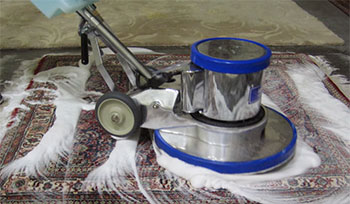
- Effective at removing surface-level dirt and grime
- Can refresh carpet appearance and revive colors
- Relatively inexpensive upfront cost
- Widely available for purchase or rental
Cons:
- Longer drying time, ranging from hours to days
- Cleaning solutions can leave residue or odors if not rinsed properly
- Multiple steps involved (pre-treat, shampoo, rinse, dry)
- Potential for over-wetting and damage to carpets or padding
The Modern Carpet Steamer
Carpet steamers, on the other hand, have gained popularity in recent years for their eco-friendly and versatile approach to carpet cleaning. These machines use hot water vapor to penetrate deep into the carpet fibers, effectively breaking down and lifting even the toughest stains and dirt.
Pros:
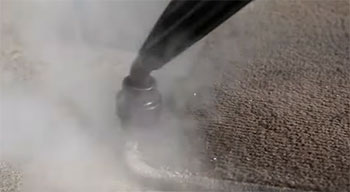
- No harsh chemicals or cleaning solutions required
- Highly effective at removing stubborn stains and odors
- Shorter drying time, often within 1-2 hours
- More environmentally friendly option
Cons:
- Higher upfront cost compared to shampooers
- Limited availability for rental options
- Potential for scalding if not used properly
- May not be as effective on surface-level dirt and grime
The Cleaning Power Comparison
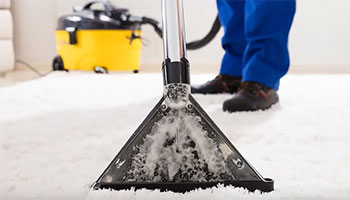
When it comes to sheer cleaning power, carpet steamers tend to have the edge.
The high-temperature water vapor can penetrate deep into the carpet fibers, effectively breaking down and lifting even the most stubborn stains and odors.
From pet accidents to spilled red wine, steamers can tackle it all with ease.
Carpet shampooers, on the other hand, excel at surface-level cleaning.
They’re great for refreshing the appearance of carpets, reviving colors, and removing dirt and grime that haven’t deeply embedded themselves into the fibers. However, for tough, set-in stains, shampooers may struggle to provide a thorough clean.
The Drying Time Dilemma
One of the biggest drawbacks of carpet shampooers is the lengthy drying time required after cleaning. Depending on factors like humidity, temperature, and the amount of solution used, carpets can take hours or even days to fully dry.
During this time, they’re susceptible to mold and mildew growth, and you’ll need to exercise caution to avoid tracking wet footprints throughout your home.
Carpet steamers, on the other hand, offer a much quicker drying process. Since they rely solely on hot water vapor, there’s no excess moisture left behind.
In most cases, carpets can be fully dry within 1-2 hours after steaming, minimizing the risk of mold and mildew and allowing you to resume normal activities in your home much sooner.
The Environmental Impact
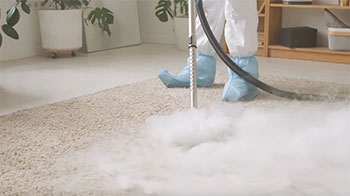
For those concerned about their carbon footprint, carpet steamers offer a more eco-friendly option.
Since they don’t require any harsh chemicals or cleaning solutions, there’s no risk of introducing potentially harmful substances into your home or the environment.
Carpet shampooers, while effective, do rely on cleaning solutions that can contain ingredients that may be less than ideal for those with sensitivities or environmental concerns.
Additionally, proper rinsing and disposal of these solutions are essential to avoid contamination.
The Cost Consideration
When it comes to upfront costs, carpet shampooers typically have the edge. Entry-level models can be purchased for relatively affordable prices, and many retailers offer rental options for those who prefer not to invest in ownership.
Carpet steamers, on the other hand, tend to be more expensive upfront. While there are budget-friendly options available, high-quality steamers can come with a hefty price tag. However, it’s important to consider the long-term cost savings associated with not having to purchase cleaning solutions continuously.
Also Read: Comparison of Tilex And Clorox Cleaners.
Which Is Better for a Home With Pets?
Choose a carpet extractor.
Pet households need the ability to physically recover:
- Liquid accidents
- Dirt
- Mud
- Cleaning solution
A portable spot extractor is particularly useful because you can respond immediately.
Steam is better reserved for suitable hard surfaces around the home.
Which Is Better for a Home Without Much Carpet?
A steam cleaner may provide more overall utility if your home is mostly:
- Tile
- Hard flooring
- Bathrooms
- Kitchens
and you have only one or two small rugs.
You could rent an extractor when deep carpet cleaning becomes necessary.
Can You Own Both?
Absolutely.
In fact, they complement each other extremely well.
Use:
carpet extractor → soft surfaces
and
steam cleaner → compatible hard surfaces
Trying to force one machine to do both jobs usually produces worse results.
FAQs: Addressing Your Carpet Cleaning Curiosities
While both methods have their merits, steam cleaning is generally considered more effective, especially for tough stains and odors. It’s also a more eco-friendly option since it doesn’t rely on harsh chemicals. However, for surface-level cleaning and refreshing carpet appearance, shampooing can be a viable choice.
In this context, “carpet cleaner” typically refers to a carpet shampooer. While shampooers are effective for surface-level cleaning, carpet steamers are generally considered better for deep cleaning and tackling tough stains and odors.
The most effective carpet cleaning method depends on your specific needs and the condition of your carpets. For deep cleaning and tackling stubborn stains and odors, carpet steamers are often considered the most effective option. However, for regular maintenance and refreshing carpet appearance, shampooing can be a suitable choice.
Yes, there is a significant difference between a steam cleaner and a shampooer. Steam cleaners use hot water vapor to clean carpets, while shampooers rely on a combination of cleaning solutions and brushes to agitate and lift dirt and grime from the carpet fibers.
Also Read: Simple Green Vs. 30 Second Cleaners: Which Is Better?
Conclusion: Choosing the Right Carpet Cleaning Companion
In the battle between carpet shampooers and steamers, there is no clear-cut winner – it ultimately depends on your specific needs, preferences, and priorities. If you’re looking for a deep, thorough clean that tackles even the toughest stains and odors, a carpet steamer may be the way to go. Its eco-friendly approach and shorter drying time make it a compelling choice for many households.
However, if your primary concern is maintaining the appearance of your carpets and removing surface-level dirt and grime, a carpet shampooer can be a cost-effective and readily available option. Just be prepared for a longer drying time and the potential for chemical residue if not properly rinsed.
Regardless of your choice, regular carpet cleaning is essential for maintaining a healthy and inviting living space. Whether you opt for the classic shampooer or embrace the modern steamer, the key is finding the method that best suits your needs and cleaning preferences.
So, roll up your sleeves, gather your supplies, and get ready to tackle those carpets head-on. With the right tools and a little elbow grease, you’ll be well on your way to a fresh, clean, and welcoming home environment.
Recent Posts
2026 Bathroom Remodel Estimator Bathtub to Shower Conversion Cost Calculator Accurately calculate the true cost of converting your old bathtub into a modern walk-in shower. Estimates acrylic...
I used the Philips Multigroom 5000 for several weeks of beard hair and body grooming while tracking cutting performance battery life ease of cleaning and everyday versatility.You should buy this...