
Clean drinking water is non-negotiable for keeping your family healthy and energized every single day.
You want a reliable purification system that strips out toxic heavy metals, synthetic forever chemicals, and microplastics without making you deal with complex under-sink plumbing or bulky installations.
The Bluevua Countertop Reverse Osmosis Water Filter is widely marketed as a sleek, plug-and-play solution that promises to turn ordinary tap water into bottled-quality refreshment using a multi-stage filtration process and a beautiful glass carafe.
If you are ready to invest hard-earned money into a premium countertop purifier that guarantees absolute water purity and seamless daily operation, you should buy this system directly from an authorized online boutique or major home appliance store.
My Firsthand Real World Experience With The Bluevua System
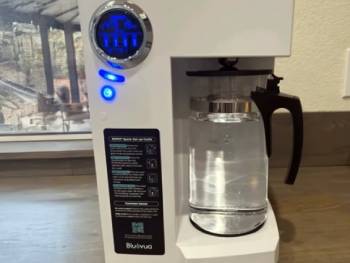
Unboxing this machine filled me with genuine excitement because the modern design and the heavy borosilicate glass carafe looked highly premium on my kitchen counter.
Setting up the system took less than ten minutes since you simply plug it into a standard wall outlet, fill up the removable back reservoir with tap water, and let the machine run its initial internal flushing cycles.
During the first week of use, the water tasted incredibly crisp, clean, and refreshing, completely eliminating the harsh chemical chlorine odor that normally plagues my local city tap water supply.
The onboard digital screen provided clear, real-time feedback by showing the incoming Total Dissolved Solids level versus the purified output number, which initially dropped all the way down into the single digits.
Unfortunately, my positive initial impressions began to fall apart after just four weeks of continuous daily operation in my kitchen.
The internal water pump suddenly started making a much louder, rattling vibration sound that echoed across my open-concept living space every single time I pressed the button to start a filtration cycle.
Even worse, the filtration speed slowed down dramatically, taking over fifteen minutes to fill a single carafe of water when it used to complete the entire process in under three minutes.
When I investigated the back water reservoir, I discovered an alarming layer of white, chalky sediment accumulating at the bottom of the tank, suggesting that the system was constantly backwashing concentrated contaminants right back into the feed water supply.
Living in an area with moderately hard tap water, I quickly realized that this machine completely chokes when forced to handle standard mineral levels, requiring expensive, premature filter replacements long before the advertised six-month lifespan.
Constantly lifting, emptying, scrubbing, and refilling the bulky five-liter plastic tank multiple times a day turned into an exhausting, messy chore that frequently left pools of water on my wooden countertops due to sticky spring-loaded valves.
Given these rapid performance drops, mechanical noises, and ongoing maintenance frustrations, my journey with this system transformed from a convenient luxury into an annoying daily hassle.
Also Read: Differences Between Waterdrop And Aquasana Water Filters.
Detailed Maintenance and System Longevity Tips
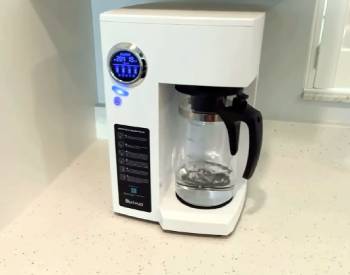
Keeping a countertop reverse osmosis machine functioning requires an intense commitment to regular sanitation and part management.
Without meticulous upkeep, the system quickly turns into a breeding ground for bacteria and limescale blockages. Use these operational procedures to protect your investment:
Scrub the removable plastic raw water tank with warm water and white vinegar at least once every seven days to dissolve stubborn calcium deposits and eliminate slippery biological films.
Always pour out the remaining wastewater left at the bottom of the reservoir before refilling the tank with fresh tap water to prevent highly concentrated contaminants from overloading the delicate membranes.
Execute the built-in six-minute automated flushing procedure twice a month by holding down the designated button combination on the digital control panel.
Wipe down the electronic base station and the sensor pins beneath the water tank with a dry microfiber cloth to prevent moisture buildup from causing electrical short circuits.
Replace the composite pre-filters ahead of schedule if your home uses private well water or contains high levels of natural iron and sediment.
Store the glass carafe inside your refrigerator if you do not plan on drinking the purified water within twenty-four hours to prevent airborne bacteria from colonizing the container.
Use the included plastic filter wrench gently during cartridge swaps to avoid cracking the internal plastic housing threads.
Run a dedicated descaling cycle using food-grade citric acid powder if you notice the water production speed dropping below its normal levels.
Inspect the black rubber seals on top of each replacement filter cartridge during installation to ensure they are fully seated and lubricated.
Never place the main electronic housing under running water or inside a dishwasher because doing so will permanently destroy the internal computerized control board.
Pros and Cons of Bluevua Water Filter

Pros:
The structural and aesthetic design choices of this countertop reverse osmosis unit provide several noticeable benefits for users seeking a temporary, non-permanent water purification setup. Here are the core advantages that I identified during my testing period:
- Premium Borosilicate Glass Carafe: Unlike many competitors that utilize cheap plastic pitchers, this system dispenses pure water directly into a high-quality glass vessel that completely eliminates the risk of secondary chemical leaching.
- Zero Installation Plumbing Required: The freestanding, plug-and-play design means you do not have to drill holes into your kitchen sink or hire an expensive plumber to enjoy reverse osmosis purity.
- Real Time Digital Monitoring Display: The onboard smart screen keeps you fully informed by continuously displaying the lifespan of your filters alongside live incoming and outgoing water quality metrics.
- Automated Internal Flushing Cycle: The machine features a built-in self-cleaning mode that helps rinse out the internal pathways at the touch of a button to clear out immediate blockages.
- Remineralization Filter Option: The final stage of the filtration system works to reintroduce trace amounts of essential minerals back into the water to improve the overall taste profile.
Cons:
Despite the clever marketing claims surrounding this countertop machine, an analytical look at user feedback and long-term testing reveals severe operational flaws that make it difficult to trust. Here is a comprehensive breakdown of the major performance deficiencies, mechanical issues, and misleading design elements that plague this unit:
- Rapid Performance Degradation Under Hard Water: The reverse osmosis membrane struggles immensely when forced to process tap water with high mineral content, causing the system to slow down to a painful crawl or stop dispensing water entirely after just one month of usage.
- Misleading Third Party Performance Certifications: The company frequently uses confusing marketing jargon to imply official industry backing, but the system lacks formal NSF/ANSI contaminant reduction certifications for peace of mind.
- Excessive Wastewater Accumulation and Manual Dumping: The inefficient purification process leaves behind a highly concentrated pool of reject water in the back reservoir that you must manually lift, carry, and dump down the drain multiple times every single day.
- Frequent and Highly Expensive Filter Replacements: Because the internal cartridges clog up rapidly when exposed to standard municipal water supplies, users are forced to buy replacement filters far more often than the manufacturer claims.
- Loud Operational Noise and Vibration: The internal electric pump creates a loud, disruptive buzzing sound during the filtration process that can easily disturb a quiet household or home office environment.
- Defective Spring Loaded Tank Valves: The mechanical seals at the bottom of the removable raw water tank are prone to sticking, which frequently results in frustrating water leaks across your kitchen counters.
- Incomplete Fluoride and Contaminant Removal: Independent laboratory testing proves that this system fails to completely eliminate stubborn impurities, leaving behind measurable traces of fluoride and heavy metals in your glass carafe.
- High Initial Financial Investment: The steep retail price tag makes this unit a risky purchase considering the ongoing mechanical headaches, short component lifespans, and lack of verified industry certifications.
- Cumbersome Everyday Cleaning Requirements: Because the plastic reservoir holds stagnant, concentrated reject water, it quickly develops a slippery biofilm and white scale buildup that requires aggressive scrubbing with vinegar on a weekly basis.
Bluevua Water Filter Vs. Other Brands
- Bluevua Water Filter Vs. AquaTru Countertop RO System
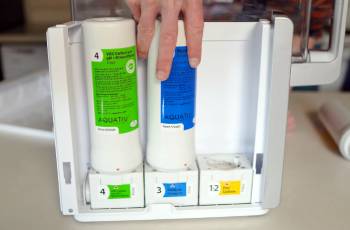
When you evaluate the Bluevua system directly against the industry-standard AquaTru Countertop RO System, the difference in true manufacturing quality and performance verification becomes incredibly obvious.
The AquaTru unit stands out because it carries official, full-scale NSF/ANSI certifications for removing over eighty dangerous contaminants, including PFAS, lead, and fluoride.
The Bluevua system relies entirely on unverified, internal lab reports that fail to offer the same level of consumer safety protection.
Additionally, AquaTru features a vastly superior water efficiency rating, meaning it creates significantly less wastewater for you to manually dump into your kitchen sink.
While Bluevua attempts to win shoppers over by offering a glass carafe right out of the box, AquaTru focuses its resources on superior engineering, robust internal pumps, and long-lasting filtration membranes that do not choke when exposed to moderately hard tap water supplies.
- Bluevua Water Filter Vs. Waterdrop K19 Countertop Filter
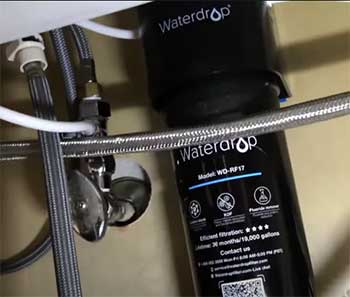
Comparing the Bluevua unit to the Waterdrop K19 Countertop Filter highlights a major disparity in everyday structural convenience and space-saving kitchen design.
The Waterdrop K19 features a highly compact, single-cartridge footprint that takes up significantly less real estate on your kitchen counter compared to the bulky multi-filter housing of the Bluevua machine.
Furthermore, the Waterdrop K19 uses an intelligent, single-core composite filter design that drastically reduces the ongoing cost and hassle of purchasing multiple separate replacement filters throughout the year.
The Waterdrop system also includes customizable dispensing presets that allow you to fill precise cup sizes automatically without monitoring the machine.
Bluevua requires you to manually watch the carafe fill up while enduring a much louder, more disruptive internal pump vibration that can easily irritate anyone working in a quiet kitchen environment.
- Bluevua Water Filter Vs. SimPure Y7P Countertop RO System
Placing the Bluevua system alongside the SimPure Y7P Countertop RO System reveals a massive contrast in real-world filtration reliability and biological water safety.
The SimPure Y7P is engineered around a highly efficient four-to-one water purification ratio, making it vastly more eco-friendly and less wasteful than the inefficient Bluevua system.
SimPure also includes a fully certified UV-C sterilization stage that actively destroys bacteria and viruses inside the storage tank, providing a crucial layer of protection that Bluevua fails to deliver reliably.
The SimPure system handles hard municipal water much better, utilizing robust pre-filtration layers that protect the sensitive reverse osmosis membrane from premature clogging.
Bluevua users are left dealing with constant sediment blockages and sticky tank valves that turn a supposedly convenient appliance into a leaky kitchen nightmare.
- Bluevua Water Filter Vs. Brita Hub Countertop Water Purifier
Analyzing the differences between the Bluevua machine and the Brita Hub Countertop Water Purifier showcases the classic battle between intensive reverse osmosis and basic carbon block filtration.
The Brita Hub is designed purely for rapid, budget-friendly convenience, utilizing an electric pump to push water through a specialized carbon filter that instantly removes chlorine taste and odor.
Because the Brita Hub does not use a reverse osmosis membrane, it creates absolutely zero wastewater, eliminating the frustrating daily chore of manually dumping concentrated sludge down your drain.
The Bluevua system attempts a much deeper level of purification but fails to execute it reliably due to mechanical slowdowns and high component failure rates.
For shoppers who want a simple, stress-free way to make their city tap water taste decent without spending a fortune on replacement filters, the Brita Hub offers a far more reliable daily experience.
- Bluevua Water Filter Vs. ZeroWater 40 Cup Ready Pour Dispenser
Contrasting the mechanical Bluevua system against the non-electric ZeroWater 40 Cup Ready Pour Dispenser highlights the beauty of simple, gravity-fed filtration over complex, fragile electronic appliances.
The ZeroWater dispenser relies on a massive five-stage ion-exchange filter cartridge that physically strips one hundred percent of dissolved solids from your tap water without needing a power outlet.
Because it uses no moving parts, the ZeroWater system operates in absolute silence and completely eliminates the risk of pump failures, electronic screen glitches, or leaking spring-loaded base valves.
The Bluevua system requires constant access to electricity and subjects your household to a loud, vibrating motor just to fill up a single glass container.
While the ZeroWater cartridges do require regular replacement, the total absence of mechanical headaches and the lower initial purchase price make it a highly practical option for busy households.
Also Read: Is Water Doctor Filter Worth It?
Frequently Asked Questions (FAQs)
Bluevua filters are decent for basic contaminant reduction when they are brand new, but their overall performance drops off rapidly over time.
The multi-stage reverse osmosis system can successfully lower the Total Dissolved Solids in your tap water and remove the taste of chlorine during the first few weeks of operation.
The best water filter for your home depends heavily on your unique water chemistry, budget, and plumbing setup.
For complete peace of mind and maximum contaminant removal, a fully certified under-sink reverse osmosis system from an established brand is universally considered the gold standard.
The AquaTru system is significantly better than Bluevua from an engineering, reliability, and health safety standpoint.
AquaTru holds official, independent NSF/ANSI certifications for contaminant reduction, meaning its safety claims have been rigorously verified by trusted industry watchdogs.
The Bluevua system can theoretically filter out microplastics and nanoplastics due to the microscopic pore size of its reverse osmosis membrane layer.
These plastic particles are physically much larger than the tiny channels inside the semi-permeable membrane, meaning they are blocked and washed away into the wastewater tank.
Final Thoughts
Investing in a premium water filtration system should bring long-term peace of mind, clean hydration, and effortless daily operation into your home kitchen.
The Bluevua Countertop Reverse Osmosis Water Filter promises to deliver this luxury experience, but real-world testing and numerous negative consumer reviews reveal severe flaws in pump durability, hard water handling, and valve seals.
Dealing with constant manual tank dumping, loud structural vibrations, and expensive premature cartridge clogs quickly erases any initial convenience the plug-and-play design offers.
If you want a truly dependable purification asset that protects your family from toxic tap impurities without turning into a frustrating maintenance chore, you should buy a fully certified competitor system from a reputable appliance brand today.
Recent Posts
2026 Bathroom Remodel Estimator Bathtub to Shower Conversion Cost Calculator Accurately calculate the true cost of converting your old bathtub into a modern walk-in shower. Estimates acrylic...
I used the Philips Multigroom 5000 for several weeks of beard hair and body grooming while tracking cutting performance battery life ease of cleaning and everyday versatility.You should buy this...