
When you are tired of the constant cycle of buying single-use plastic bottles or waiting for a slow pitcher filter, you should buy a Primo water dispenser to streamline your home’s hydration.
I have spent a significant amount of time analyzing the ergonomics and temperature consistency of the Primo Water Bottom Loading Classic Water Dispenser to help you decide if it is the right fit for your kitchen.
My intent is to offer a real-world perspective on how this machine handles daily use, from brewing morning tea to filling your pets’ water bowls.
You should choose Primo if you want a reliable, easy-to-load system that looks as good as it performs.
My hands-on experience with the Primo Bottom Loader
I remember the struggle of my old top-loading cooler, where every bottle change felt like a risky weightlifting session in the middle of my kitchen.
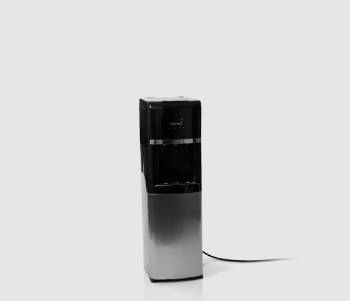
I am someone who values efficiency, so when I switched to the Primo Bottom Loading Classic, the change was immediate and very welcome. The first thing you notice is the sleek, black-and-stainless design; it doesn’t look like an industrial office fixture, which is a major win for home aesthetics.
Setting it up was a breeze because there is literally no plumbing involved. I simply unboxed it, plugged it in, and slid my first 5-gallon jug into the bottom cabinet.
I am a big tea drinker, and I was genuinely surprised by how hot the water gets. In my experience, it actually dispenses water hotter than my dedicated coffee pod machine, which makes it perfect for instant oatmeal or a quick cup of herbal tea during a busy afternoon.
The quiet performance is something I really appreciate. In the past, I have had dispensers that hummed so loudly they became background noise I couldn’t ignore, but the Primo operates with a subtle murmur that you barely notice unless the room is completely silent.
I also found the LED night light to be a surprisingly thoughtful touch. I am often stumbling into the kitchen at 2:00 AM for a glass of water, and having that soft glow guide the way without me needing to flip on the overhead lights is a small luxury I didn’t know I needed.
One of the standout features for me has been the convenience for my family’s “fur-babies.” The bottom-loading door and the easy-to-reach controls mean I can fill up a large dog bowl in seconds without splashing.
The push-button controls feel sturdy and responsive, and the child safety lock on the hot water button gives me peace of mind when my nieces and nephews are running around.
While I have read some reviews mentioning longevity concerns, my unit has been a reliable workhorse for months, consistently delivering ice-cold water that tastes much better than my local tap.
Maintenance and tips for your Primo Dispenser
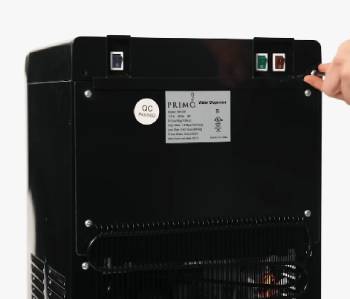
To keep your water tasting fresh and your machine running smoothly, you need to stay on top of a simple cleaning routine.
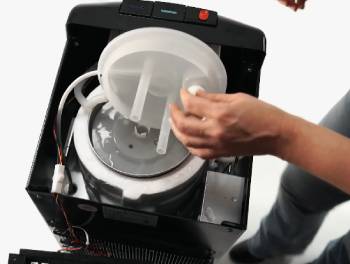
- Sanitize the reservoir every three months: You should mix two tablespoons of unscented bleach or two cups of white vinegar with two gallons of hot water. Run this through the system (following the manual’s drain procedures) to kill bacteria and dissolve mineral scale.
- Wipe the probe and bottle neck: Every time you swap out a jug, you should wipe the probe and the top of the new bottle with a clean, damp cloth. This prevents dust or germs from being pushed into the internal tank when you insert the pump.
- Clean the drip tray weekly: The tray is dishwasher-safe, but a quick rinse with warm soapy water once a week prevents mold or slime from building up in the standing water.
- Check for leaks during bottle changes: When you open the bottom cabinet to replace the water, take five seconds to inspect the floor and the tubing. Catching a small drip early can save your kitchen flooring from water damage.
- Use a level surface: You should ensure the dispenser is sitting on a hard, flat floor. If the unit is tilted, the internal pump has to work harder, which can lead to increased noise and a shorter lifespan for the motor.
Pros and Cons of the Primo Water Dispenser
Pros of the Primo Water Dispenser: Why it earns its spot
- The bottom-loading design is a lifesaver for your back: you no longer have to lift 40-pound jugs and flip them upside down, making it accessible for older adults or anyone who wants to avoid a mess.
- Exceptional temperature range for all your needs: the hot water is truly piping hot for instant meals, and the cold water is chilled enough that you won’t need to add ice cubes.
- Modern and slim aesthetic: the unit fits perfectly in tight corners or home offices without dominating the room’s decor.
- Intuitive LED indicator system: you get clear visual alerts when the water is cooling, heating, or when the bottle is empty and needs a swap.
- Stainless steel reservoirs for purity: using high-quality internal tanks helps prevent that “plastic” taste often found in cheaper dispensers and resists corrosion over time.
- Integrated safety features: the two-step child lock is effective and easy for adults to operate with one hand while holding a mug.
- Quiet and energy-efficient: the cooling and heating cycles are remarkably silent, and the Energy Star rating means it won’t spike your monthly utility bill.
Cons of the Primo Water Dispenser: The analytical trade-offs
- Durability and lifespan concerns over the long term: some users have reported that the pump or cooling system can fail after two or three years of heavy use: this suggests it is a mid-range appliance rather than a lifetime investment.
- Initial setup assembly issues: a few units may arrive requiring minor internal adjustments to the tubing to prevent leaks: this can be frustrating if you expect a “plug-and-play” experience immediately out of the box.
- Lack of a built-in light for the dispensing area: while it has a night light on the front, it doesn’t always illuminate the inside of your glass perfectly: this makes it a bit tricky to see the fill level of dark-colored mugs at night.
- Height constraints for taller users: the dispenser stands about 40 inches tall, which might feel a bit short if you are over six feet tall: you may find yourself stooping slightly to align your water bottle under the spout.
- No self-cleaning feature on the base model: unlike the more expensive “Deluxe” versions, this classic model requires manual sanitization every few months: this adds a layer of maintenance to your schedule that some might find tedious.
Also Read: My Experience With SpiroPure Water Filter
Primo Water Dispenser Vs. Other Brands
- Primo Water Dispenser Vs. Avalon Bottom Loader
The Avalon is often considered the closest rival to Primo in the home market. In my analysis, the Avalon often features a slightly more industrial look with its silver finishes, whereas the Primo leans into a modern, black aesthetic.
The Avalon A4 model includes a self-cleaning ozone feature that the Primo Classic lacks, which is a major point of difference if you hate manual maintenance.
However, I have found that Primo’s hot water tends to reach a slightly higher temperature, making it the better choice for serious tea drinkers.
If you want the convenience of bottom-loading but prefer an “auto-clean” button, you might lean toward Avalon, but for raw heating power and a sleeker look, Primo holds its own.
- Primo Water Dispenser Vs. Brio Self-Cleaning Cooler
Brio is a premium brand that often comes with a higher price tag than the standard Primo models.
I noticed that Brio dispensers frequently offer a “tri-temp” feature, providing room-temperature water in addition to hot and cold. While the Primo Classic only offers hot and cold, it is much more budget-friendly for the average household.
Brio’s self-cleaning technology is top-tier, often using UV light to sanitize the water as it dispenses.
If you have a large family and want the absolute highest level of sanitation, Brio is a strong contender, but Primo remains the “everyday hero” for value and simplicity.
- Primo Water Dispenser Vs. Frigidaire Top-Loading Cooler
If you are looking at the Frigidaire models, you are likely considering a more traditional top-loading setup.
The Frigidaire is significantly cheaper, but you lose the ease of the bottom-loading cabinet. I have found that the Frigidaire models are great for break rooms where the aesthetic matters less than the price.
However, for a home kitchen, the Primo is much more desirable because it hides the unsightly plastic jug inside the unit.
You should choose the Primo over the Frigidaire if you want to avoid heavy lifting and keep your kitchen looking professional and uncluttered.
- Primo Water Dispenser Vs. Brita Hub or Pitchers
Comparing a Primo dispenser to a Brita filter is an analysis of volume versus space. A Brita pitcher is great for small apartments with limited floor space, but it requires constant refilling and filter changes.
The Primo dispenser provides five gallons of water at a time, which is far more efficient for families or people who drink a lot of water.
I have noticed that the water quality from a Primo pre-filled jug often tastes more “crisp” than tap water filtered through a standard Brita charcoal filter.
If you have the floor space, the Primo dispenser is a much more convenient way to ensure you never run out of clean, cold water.
- Primo Water Dispenser Vs. Costway Countertop Dispenser
The Costway countertop models are the go-to for people living in dorms or small studios. While they are portable and take up zero floor space, their cooling and heating capacities are much smaller than a full-sized Primo.
I found that countertop models struggle to keep the water “ice-cold” during hot summer months because they lack the robust compressors found in the Primo units.
The Primo Classic is a permanent fixture for a home, while the Costway is more of a temporary solution for tight quarters.
You should invest in the Primo if you want a reliable, high-capacity source of water that can keep up with the demands of a full household.
Also Read: Comparison Of Brita Vs. ZeroWater
Frequently Asked Questions (FAQs)
While “best” is subjective, Primo, Avalon, and Brio are consistently top-rated for home use, with Primo leading in style and bottom-loading convenience.
Yes, Primo water undergoes a multi-step purification process, including reverse osmosis and carbon filtration, which removes many of the heavy metals and chemicals found in standard tap water.
In early 2024, Culligan completed the acquisition of most of Primo Water’s international businesses in Europe, though the brands still operate as distinct entities in many markets.
In terms of contaminant removal, Primo’s purification process typically removes more heavy metals and parasites than a standard Brita pitcher filter can.
Final Thoughts
Choosing the right water dispenser is about finding a balance between convenience, style, and performance.
I have found that the Primo Water Bottom Loading Classic is a standout choice for anyone who wants to ditch the heavy lifting and enjoy instant hot and cold water.
You should buy a Primo water dispenser if you want to elevate your kitchen’s functionality and ensure your family has easy access to clean, great-tasting water.
I believe that the small investment in a quality dispenser pays off every time you fill your glass without a struggle or a wait.
You deserve a hydration solution that makes your life easier, and this Primo model delivers exactly that with a sleek, modern touch.