
When you are deciding between high-end natural deodorants, you likely want to know if the aesthetic appeal of Salt and Stone outweighs the traditional, nutrient-dense approach of Primally Pure.
I have spent years testing these two brands to provide an analytical comparison of their performance, ingredients, and skin compatibility.
My intent is to guide you through the transition to clean beauty without the frustration of underarm rashes or failed odor protection.
You should choose the formula that aligns with your specific skin sensitivity and lifestyle needs so you can feel confident in your natural choice.
Comparison Table: Primally Pure Vs. Salt and Stone
| Feature | Primally Pure | Salt and Stone |
| Active Ingredient | Grass-fed Tallow, Baking Soda, Zinc | Probiotics, Hyaluronic Acid, Seaweed |
| Texture | Gritty, balm-like, requires warming | Smooth, gel-like glide, invisible |
| Scent Profile | Essential oils (Charcoal, Lavender) | Luxury Fine Fragrance (Santal, Neroli) |
| Sensitivity | Offers Baking Soda-Free options | High-performance but uses fragrance |
| Sustainability | Plastic-free / Recyclable options | Recyclable Ocean Plastic |
| Best For | Skin healing & intense odor control | Luxury experience & active lifestyles |
My hands-on journey with these natural giants
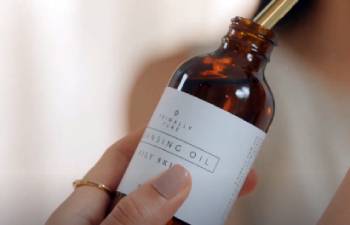
I remember the first time I made the switch to natural deodorant; I was terrified of being “that person” at the gym who smelled like a wet forest.
I am someone who has tested nearly every clean brand on the market, and my transition to Primally Pure felt like a rite of passage into the world of ancestral skincare.
The Charcoal deodorant was my first love, despite the learning curve of its texture.
It is a thick, slightly gritty paste that requires you to hold it against your skin for a few seconds to let the tallow melt.
I noticed that if I rushed the application, the baking soda would sometimes irritate my skin, but when used correctly, the odor protection was unmatched.
I am a heavy sweater, and Primally Pure kept me dry through 90-minute hot yoga sessions, which is no small feat for an aluminum-free product.
When I eventually picked up a stick of Salt and Stone (specifically the Santal & Vetiver), the experience shifted from “functional health” to “luxury ritual.”
The application is incredibly satisfying; it glides on like a high-end serum, leaving no white residue on my black t-shirts.
I am an analytical person, so I was immediately intrigued by the inclusion of hyaluronic acid and probiotics in a deodorant.
It felt more like skincare for my armpits than a traditional stick.
While it didn’t keep me quite as dry as Primally Pure during high-intensity cardio, the fragrance was so sophisticated that I found myself smelling my own wrists just to catch a whiff.
The real difference became apparent after a week of alternating between the two.
I found that Primally Pure actually improved the health of my skin—my underarms felt softer and less prone to razor burn thanks to the tallow.
Salt and Stone, on the other hand, was my go-to for date nights or office days when I wanted to smell like a luxury boutique without the weight of a heavy balm.
You will find that Primally Pure feels like a protective barrier, while Salt and Stone feels like an invisible veil of scent.
Ultimately, I realized that I don’t just want a deodorant that works; I want one that makes the “pit-care” routine something I actually look forward to.
Maintenance and tips for natural deodorant success
To get the most out of these premium natural deodorants, you should follow these specific maintenance steps to avoid irritation and maximize odor control.
- Perform an armpit detox: Before you judge a natural brand, you should use a bentonite clay mask on your underarms for a few days. This helps draw out the buildup of aluminum and synthetic waxes from your old drugstore stick, which reduces the chance of a “transition rash” when you start using Primally Pure.
- Warm the stick before use: You should hold the deodorant against your skin for at least five to ten seconds before swiping. This allows the natural butters and oils to melt slightly, ensuring a smooth glide that won’t pull at your skin or leave clumps of product.
- Apply to clean, dry skin: You should never apply natural deodorant over old product or sweat. This traps bacteria against your skin and can cause the natural ingredients to go “sour.” Always start with a fresh, towel-dried surface after your shower for the best results.
- Use the “less is more” approach: You only need one or two light swipes to be effective. Over-applying natural deodorant—especially those with baking soda—is the fastest way to develop irritation or stain your favorite shirts.
- Store in a cool, dark place: Natural deodorants are sensitive to temperature changes. You should keep them in a climate-controlled room rather than a humid bathroom cabinet to maintain the integrity of the probiotics and essential oils.
Pros and Cons of Primally Pure
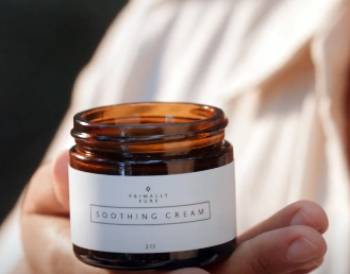
Pros of Primally Pure: The ancestral healer
- The use of grass-fed tallow provides a bio-compatible moisture barrier: this ingredient is packed with vitamins A, D, E, and K, which nourish the skin at a cellular level.
- Unmatched odor neutralization through charcoal and baking soda: the combination effectively absorbs toxins and kills the bacteria that cause smell before they can start.
- Available in a dedicated baking soda-free formula: this is a lifesaver for those of you who have historically reacted to natural deodorants with red, itchy rashes.
- Eco-conscious and transparent sourcing: the brand prioritizes small-scale farming and organic ingredients: this ensures you are putting the highest quality substances on your body’s most absorbent areas.
- Versatile scent options that focus on aromatherapy: scents like Blue Tansy and Geranium provide emotional benefits alongside physical protection: this makes your morning routine feel like a spa treatment.
Cons of Primally Pure: The trade-offs:
- Gritty texture can be abrasive if applied too quickly: the presence of baking soda and powders requires a slow, warming application to avoid micro-scratches on the skin: this can be a nuisance when you are in a rush.
- Potential for baking soda sensitivity in the original formula: many users report a “detox” rash that is actually just an alkaline reaction: this means you must be careful to choose the correct version for your skin type.
- Can leave oil stains on delicate fabrics: because of the high tallow and coconut oil content, it may leave faint yellow or oil marks on light-colored silk or tight cotton: this requires you to let it dry or use it sparingly.
- Melting issues in high temperatures: because it uses natural fats, the stick can become soft or even liquid in a hot bathroom or car: this makes it slightly less travel-friendly during summer months.
Pros and Cons of Salt and Stone
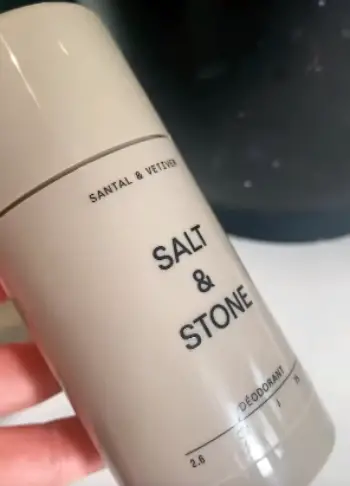
Pros of Salt and Stone: The modern innovator
- Sophisticated fine fragrances that rival luxury perfumes: the scents are complex, gender-neutral, and long-lasting: this allows you to skip your cologne or perfume if you prefer a subtle aroma.
- Serum-like application with no drag: the formula includes seaweed extracts and hyaluronic acid to hydrate the skin without any grittiness: this makes it perfect for those with sensitive, thin skin.
- High-performance probiotic technology: instead of just masking odors, the live ferments help balance your skin’s microbiome: this creates a healthier environment that naturally resists odor-causing bacteria.
- Zero residue on clothing: the gel-to-powder finish is completely clear: this means you can get dressed immediately after application without worrying about white streaks on your outfits.
- Sustainable packaging made from ocean plastic: the brand effectively merges luxury aesthetics with environmental responsibility: this makes it a great choice for the modern, conscious consumer.
Cons of Salt and Stone: The trade-offs:
- Higher price point for the volume of product: you are paying for the brand’s luxury positioning and complex scents: this makes it a more significant investment than standard drugstore or even other natural options.
- Fragrance can be overwhelming for the scent-sensitive: the “extra strength” scents are very potent and may clash with other products you wear: this requires you to truly enjoy the specific fragrance profile of the stick.
- Performance may dip in extreme humidity: while it handles daily activities well, it doesn’t provide the same “powder-dry” feeling that starch-heavy deodorants offer: this might leave you feeling a bit “tacky” during intense workouts.
- Short-lived scent projection in some variants: while the scent is beautiful initially, some users find that it fades within four to six hours: this necessitates reapplication if you have a long day ahead of you.
Primally Pure Vs. Other Brands
- Primally Pure Vs. Native Deodorant
Native is the most accessible natural brand, but I have found that it lacks the skin-healing benefits of Primally Pure.
Native uses a base of caprylic/capric triglyceride and ozokerite, which provides a smooth glide but doesn’t offer the nutrient-dense profile of grass-fed tallow.
Analytically, Primally Pure is a more “raw” product, whereas Native feels like a mass-produced version of a clean formula.
If you want something you can grab at the grocery store, Native is fine, but you should choose Primally Pure if you are looking for a artisanal, high-potency treatment for your skin.
- Primally Pure Vs. Schmidt’s Deodorant
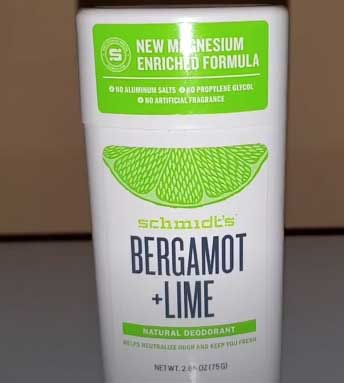
Schmidt’s was one of the pioneers of the natural movement, and it is known for being extremely effective but very harsh.
I have noticed that Schmidt’s often uses a much higher concentration of baking soda, which led to many users developing severe rashes.
Primally Pure is far more balanced, using tallow to soothe the skin while the baking soda works.
In my experience, the scent profiles of Primally Pure are also much more sophisticated and less “craft-store” than Schmidt’s.
You will find that Primally Pure is a significant upgrade in terms of skin comfort and ingredient quality.
- Salt and Stone Vs. Corpus Naturals
Corpus is the primary competitor for Salt and Stone in the luxury space, offering high-end scents and chic packaging.
However, Salt and Stone includes skincare-first ingredients like hyaluronic acid and seaweed, which I find to be more innovative for underarm health.
Analytically, Corpus has a slightly firmer texture that some users prefer, but Salt and Stone wins on the “serum-like” feel.
If you are someone who prioritizes scent above all else, both are excellent, but you should lean toward Salt and Stone if you want the added benefits of probiotics and hydration.
- Salt and Stone Vs. Kosas Chemistry
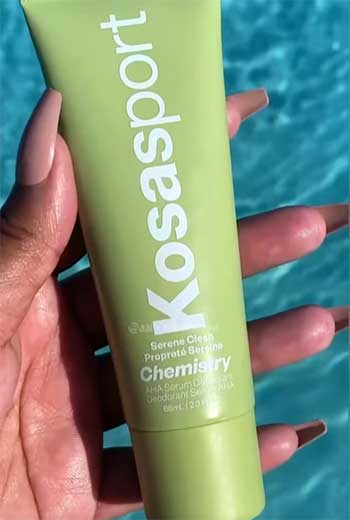
Kosas uses a completely different approach by utilizing AHAs (Alpha Hydroxy Acids) to lower the pH of your underarms.
While Salt and Stone focuses on probiotics to balance bacteria, Kosas focuses on creating an environment where bacteria cannot survive.
I have found that Kosas is better for those who have active breakouts or ingrown hairs, but Salt and Stone is much better for those who want a traditional stick format and a luxury scent.
The Kosas formula is a liquid serum, which can feel a bit wet and cold upon application compared to the creamy Salt and Stone glide.
- Primally Pure Vs. Little Seed Farm
Little Seed Farm is another tallow-based brand that has a very loyal following, often coming in a glass jar rather than a stick.
I find that Primally Pure is much more convenient for travel and daily use because of the stick format.
Analytically, both use high-quality animal fats, but Primally Pure’s essential oil blends feel more balanced and less overwhelming.
If you don’t mind getting your fingers dirty, Little Seed Farm is a great value, but you should stick with Primally Pure if you want the ease of a traditional applicator.
Frequently Asked Questions (FAQs)
For pure odor neutralization in extreme heat, Primally Pure or Corpus Naturals are often considered more robust alternatives for heavy sweaters.
It combines luxury fine fragrance with skincare ingredients like probiotics and seaweed, offering a high-end experience that doesn’t leave any white residue on clothes.
Brands like Primally Pure and Agent Nateur are often cited as the healthiest because they use food-grade, organic ingredients and avoid synthetic fragrances entirely.
While not for the underarms, the Primally Pure “Soothing” line (with Blue Tansy) is specifically formulated to calm the redness and inflammation associated with rosacea on the face.
Final Thoughts
The debate between Primally Pure vs. Salt and Stone is a choice between ancestral skin nutrition and modern luxury performance.
I have found that Primally Pure is the superior choice for those of you with sensitive skin or who need the heaviest hitting odor protection available in the natural world.
However, you should buy Salt and Stone if you are looking for a sophisticated, invisible deodorant that feels like an extension of your luxury fragrance collection.
I believe that the best deodorant is the one you actually enjoy using every single day, and both of these brands offer a massive upgrade over conventional sticks.
You should experiment with travel sizes of both to see how your unique body chemistry reacts, but you can trust that both are leaders in the clean beauty movement for a reason.