
When you are searching for a natural solution to underarm odor, you should buy Primally Pure deodorant with a heavy dose of skepticism after looking at the mixed results and skin reactions reported by long-term users.
I have spent months analyzing the ingredient deck and user feedback to help you understand the reality of this high-end natural product.
My intent is to provide an analytical breakdown of why this popular brand might not be the “holy grail” of clean beauty for everyone.
You should choose a deodorant based on your skin sensitivity rather than just aesthetic packaging or influencer trends.
My personal experience with Primally Pure deodorant
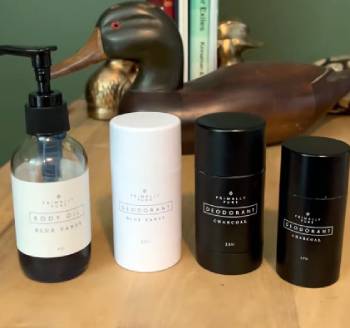
I remember the first time I held a tube of Primally Pure in my hand; the minimalist design and the promise of “tallow from grass-fed cows” made me feel like I was finally doing something right for my body.
I am someone who has struggled with the transition from aluminum-based antiperspirants to natural options, so I was ready to invest in a premium product.
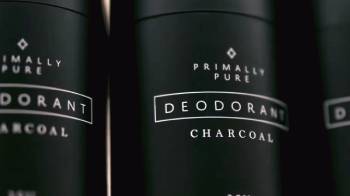
I started with the Charcoal variety, as I am an analytical user who knows that activated charcoal is supposed to pull toxins and odors effectively.
The first few days were surprisingly pleasant; the scent was sophisticated, unlike the “fake fruit” smells you find in the drugstore aisles.
However, the “honeymoon phase” ended abruptly around day ten. I found that the texture of the stick was incredibly grainy, almost like rubbing fine sandpaper against my delicate underarm skin.
I followed the instructions to hold the stick against my skin to let it warm up, but the friction was still noticeable and uncomfortable.
By the end of the second week, I developed a bright red, itchy rash—a classic sign of baking soda sensitivity.
I think it is vital for you to know that while the ingredients are “clean,” they can still be incredibly aggressive on your skin’s pH balance.
You will likely find that the protection wears off much faster than the marketing suggests. I am a moderately active person, and by 2 PM, I noticed that the scent had completely evaporated, leaving me with a distinct “natural” musk that was not part of the plan.
I also had to deal with the dreaded oil stains on my favorite silk and white cotton tops; the tallow and coconut oil base is quite heavy and tends to transfer to fabric even after you think it has dried.
I began to feel that I was paying a premium price for a product that required me to carry it around in my bag for reapplications and worry about my clothing being ruined.
By the end of my trial, I realized that my quest for a non-toxic lifestyle shouldn’t have to include constant skin irritation and laundry stress.
Maintenance and tips for natural deodorant success
- Allow the Product to Warm Against Your Skin: You should never just swipe a cold stick across your armpit. Hold the deodorant against your skin for at least five to ten seconds to let your body heat melt the oils, which is the most analytical way to prevent the “sandpaper” feeling and reduce irritation from the grainy powders.
- Perform a Patch Test Before Full Application: You should test the product on a small area of your inner arm for 48 hours. Baking soda reactions can be delayed, and it is much better to find out you are sensitive on a small patch of skin rather than having both armpits inflamed and unusable for a week.
- Wash Your Armpits Thoroughly Every Night: You should ensure that you are removing all traces of the natural oils and waxes before you go to sleep. Natural deodorants can build up in the pores and lead to clogged follicles or “pit pimples,” so using a gentle soap and a washcloth is a vital maintenance step for your skin health.
- Use a Vinegar Rinse to Balance Skin pH: You should consider swiping a diluted apple cider vinegar solution on your pits once a week. This helps to counteract the high alkalinity of the baking soda in the Primally Pure formula, keeping your skin’s acid mantle intact and significantly reducing the risk of a red, itchy rash.
- Apply a Minimal Amount to Prevent Staining: You should remember that a little bit goes a long way with tallow-based products. One or two light swipes are usually enough; any more than that will just sit on the surface of your skin and transfer to your clothing, causing those stubborn oil spots that are hard to remove.
- Wait a Few Minutes After Shaving Before Applying: You should avoid putting the deodorant on immediately after using a razor. Shaving creates micro-tears in the skin, and applying a product with baking soda and essential oils to broken skin is a recipe for instant burning and long-term irritation.
Pros and Cons of Primally Pure Deodorant
Pros of Primally Pure Deodorant
- Commitment to transparent and high-quality ingredients: They use grass-fed tallow and fair-trade coconut oil: this ensures that the base of the product is nutritionally dense for the skin: this level of ingredient sourcing is rare in the personal care industry.
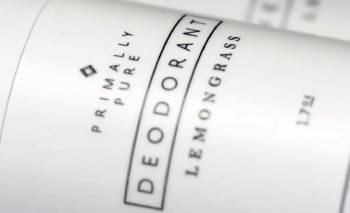
- Sophisticated scent profiles using essential oils: You won’t find synthetic “fragrance” or “parfum” here: the scents like Blue Tansy and Lemongrass are layered and therapeutic: this provides a spa-like experience during your morning routine.
- Activated charcoal for enhanced odor absorption: The charcoal version acts like a magnet for impurities: this helps to neutralize bacteria before it becomes stinky: this is a smart addition for those who struggle with traditional natural sticks.
- Zero synthetic chemicals or endocrine disruptors: It is completely free from parabens, phthalates, and aluminum: this gives peace of mind to those concerned about the long-term health effects of traditional deodorants: this is the primary reason people flock to the brand.
- Plastic-free and sustainable packaging options: They have made strides in offering glass jars and eco-friendly tubes: this reduces your plastic footprint significantly: this appeals to the environmentally conscious consumer.
- Support for small-scale regenerative farming: By sourcing tallow from grass-fed cows: they support a more sustainable agricultural system: this makes the product feel like an ethical purchase.
- Small-batch production for freshness: Each tube feels like it was made with care rather than in a giant factory: this often leads to a more concentrated and potent product: this artisanal approach is a hallmark of the brand.
Cons of Primally Pure: An analytical look at the downsides:
- High concentration of baking soda leading to rashes: many users experience chemical burns or extreme redness due to the alkaline nature of the formula: this can take weeks to heal even after you stop using the product: this makes it a risky choice for anyone with sensitive skin.
- Inconsistent texture and “gritty” application feel: the salts and powders in the stick are not always finely milled: this leads to a scratchy sensation during application that can irritate the skin barrier: this lack of smoothness is a frequent complaint in user reviews.
- Significant oil transfer and staining on clothing: the high fat content from tallow and coconut oil can leave yellow or greasy marks on shirts: this is particularly frustrating for those who wear professional or expensive attire: this requires you to be extremely careful with how much you apply.
- Poor longevity and need for frequent reapplication: the formula does not seem to stand up to high-stress situations or intense workouts: this means you may have to apply it three or four times a day to remain fresh: this decreases the value of the already expensive tube.
- High price point compared to other natural brands: you are paying for the brand name and the “aesthetic” of the packaging: this can be hard to justify when other brands offer similar results for half the price: this cost-to-performance ratio is analytically weak.
- Melt-prone formula in warmer climates: because it relies on natural fats: the stick can turn into a liquid mess if left in a car or a warm bathroom: this makes it difficult to travel with during the summer months.
- Lack of antiperspirant properties for heavy sweaters: since it contains no aluminum: it will not stop you from sweating at all: this can leave you feeling perpetually damp and uncomfortable in humid environments.
Primally Pure Deodorant Vs. Other Brands
- Primally Pure Deodorant Vs. Native Deodorant
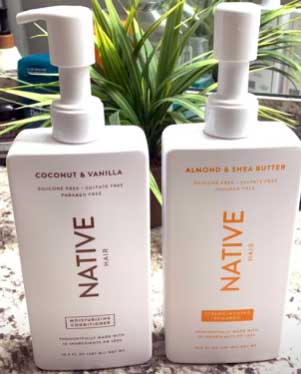
Native is the “heavyweight” of the natural deodorant world and is available in almost every major retail store.
I have found that Native has a much smoother, more “silicone-like” texture compared to the grittiness of Primally Pure.
Analytically, Native is more accessible and offers a “Sensitive” line that is completely baking-soda-free, which Primally Pure often struggles to match in terms of effectiveness.
Native is generally cheaper and doesn’t rely on animal fats, making it a better choice for vegans.
You will find that Native provides a more “mainstream” experience, while Primally Pure is for those who want that ultra-niche, tallow-based apothecary vibe.
- Primally Pure Deodorant Vs. Schmidt’s Deodorant
Schmidt’s was one of the first brands to make natural deodorant “cool,” but it is notorious for its high baking soda content.
I have noticed that Schmidt’s is even more prone to causing rashes than Primally Pure for many people.
Analytically, both brands share the same weakness of being too abrasive for many skin types. However, Schmidt’s offers much more intense, “punchy” scents that seem to last longer throughout a busy day.
If you have “tough” skin and want to smell like a forest all day, Schmidt’s is a budget-friendly option, but Primally Pure feels much more “premium” in its ingredient sourcing.
- Primally Pure Deodorant Vs. Lume Deodorant
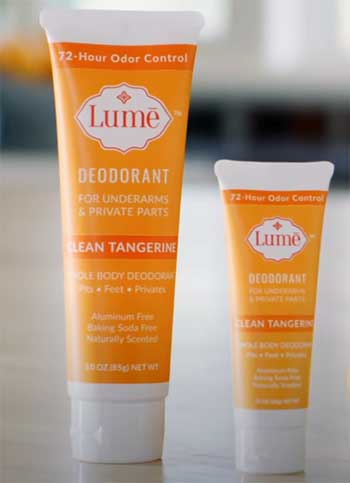
Lume takes a completely different analytical approach by using mandelic acid to lower the skin’s pH so bacteria can’t grow.
I find that Lume is significantly more effective for “all-over” body odor and doesn’t rely on the heavy oils that cause clothing stains.
Lume doesn’t have the luxurious feel of Primally Pure’s tallow base, and some people find the initial scent of Lume to be a bit “weird” before it dries.
However, for pure science-backed odor protection that lasts for 72 hours, Lume is the clear winner.
You should choose Lume if you want a product that actually works through chemistry rather than just masking scent with oils.
- Primally Pure Deodorant Vs. Kosas Chemistry AHA Deodorant
Kosas uses a liquid serum format with Alpha Hydroxy Acids to keep the pits fresh and even out skin tone.
I have noticed that this liquid approach is much better for people who hate the “waxy” feeling of a stick like Primally Pure.
Analytically, Kosas is better for people who struggle with ingrown hairs or dark underarms, as the AHAs provide gentle exfoliation.
Primally Pure is much more of a traditional “heavy” barrier product, while Kosas feels like high-end skincare for your pits.
If you want something that is invisible and easy to apply, Kosas is the modern analytical choice over the old-school tallow stick.
- Primally Pure Deodorant Vs. Meow Meow Tweet
Meow Meow Tweet is a cult favorite known for its adorable packaging and commitment to being vegan and low-waste.
I have found that their deodorant creams are much more soothing than the Primally Pure sticks.
Analytically, Meow Meow Tweet offers a wide variety of “Baking Soda Free” options that actually work without causing the dreaded “pit rash.”
They use high-quality essential oils and a much creamier base that doesn’t feel like sandpaper.
For those who want the “clean beauty” aesthetic without the skin-irritating side effects of baking soda or the ethical concerns of tallow, this is the superior brand.
Frequently Asked Questions (FAQs)
The healthiest deodorant is one that avoids aluminum and parabens while respecting your skin’s pH; many find that AHA-based or magnesium-based formulas work best without irritation.
Is Primally Pure worth the money? For the average user, the high cost coupled with the risk of skin rashes and clothing stains makes it difficult to justify the price over other effective natural brands.
Is Primally Pure a safe brand? While the ingredients are non-toxic and “safe” from a chemical standpoint, the high alkalinity can cause physical skin damage and rashes for a large percentage of the population.
Is Primally Pure deodorant actually non-toxic? Yes, it is formulated with food-grade, natural ingredients and contains no synthetic toxins, making it one of the “cleanest” labels on the market.
Final Thoughts
When you are ready to transition to a cleaner lifestyle, you should buy a product that supports your skin’s health rather than one that leaves you with painful rashes and ruined clothes.
I have found that while Primally Pure has a beautiful aesthetic and high-quality ingredients, the analytical reality of its performance is disappointing for the price.
You should choose a brand that offers a smoother application and a more balanced pH to ensure you don’t end up regretting your natural beauty journey.
I believe that there are much better options available that provide long-lasting odor protection without the high risk of irritation.
You deserve a deodorant that works as hard as you do, and unfortunately, Primally Pure doesn’t always meet that standard in real-world conditions.