
Buying a Polar Dive Water Chiller seems like a shortcut to professional-grade recovery, but after putting it to the test, I have found that the reality often falls short of the marketing.
While the price point is incredibly tempting for anyone looking to escape the endless cycle of buying bags of ice, my research and hands-on time suggest that you might want to look elsewhere.
My intent in this review is to provide an honest, analytical look at how this chiller performs over time, especially given the mounting reports of reliability issues and poor customer service.
My Personal Experience: A Frosty Start with a Bitter End
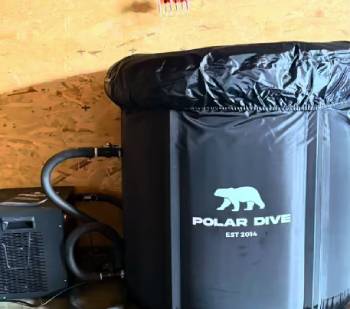
When I first ordered the Polar Dive Water Chiller, I was genuinely excited about the prospect of having a 39°F plunge ready and waiting for me every single morning.
The setup was admittedly very simple, taking me less than twenty minutes to connect the hoses to my existing tub and plug the unit into a standard outlet.
Initially, the chiller hummed along quietly, and within about twelve hours, my 100-gallon tub had dropped from a lukewarm 70 degrees down to a crisp 42 degrees.
I felt like I had hacked the recovery system, enjoying that sharp, anti-inflammatory shock to my system without the hassle of freezing water bottles or lugging ice from the gas station.
However, the honeymoon phase ended abruptly after about three weeks of daily use when I noticed a strange, high-pitched whining sound coming from the internal pump.
I checked the filter and the hoses for blockages, but everything looked clear, yet the cooling power started to diminish significantly.
Soon, the chiller was struggling to keep the water below 55 degrees, even when running for twenty-four hours straight in a relatively cool garage environment.
When I reached out to their support team, I was met with a series of automated responses that didn’t address my specific technical issues at all.
I eventually discovered that the “military-grade” engineering they boast about feels more like budget components housed in a sleek-looking plastic shell.
After two months, the unit stopped cooling entirely, leaving me with a very expensive paperweight and a tub of room-temperature water.
This experience taught me that in the world of cold therapy, cutting corners on the chiller is the fastest way to ruin your routine.
Maintenance Tips for Cold Plunge Success
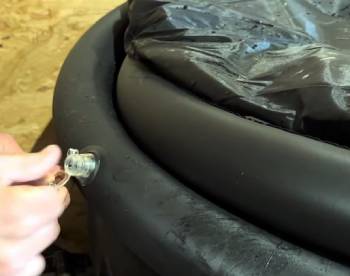
Maintaining a water chiller requires a disciplined routine to prevent the system from becoming a breeding ground for bacteria or mechanical failure.
You must clean the internal 20-micron filter at least once every two weeks: simply rinse it under a high-pressure hose to remove the gunk that builds up.
Replace the filter cartridge entirely every three months: even with regular cleaning, the fibers will eventually become clogged and restrict the water flow to the chiller.
Always use a skimmer net before and after your plunge: removing leaves, bugs, and hair manually takes the strain off the chiller’s filtration system.
Wipe down the inside of your tub with a non-abrasive cleaner once a week: this prevents a “scum line” from forming, which can eventually find its way into the chiller’s intake.
Shower before you enter the plunge: body oils, lotions, and sweat are the primary enemies of clear water and can cause the chiller to work less efficiently.
Keep the chiller unit in a well-ventilated area: if the unit is tucked in a tight corner, it won’t be able to dissipate heat properly, leading to internal overheating.
Use a water stabilizer or a small amount of chlorine/bromine: since this unit lacks ozone sanitation, you need a chemical assist to keep the water safe.
Check the hose connections for leaks every few days: a small drip can lead to air entering the system, which can eventually burn out the water pump.
Drain and replace your water every three to four weeks: without professional-grade filtration, the water will eventually reach a point where chemicals can no longer keep it clean.
Pros and Cons of the Polar Dive Water Chiller
Pros of the Polar Dive Water Chiller
- The most obvious advantage of this unit is the low entry price, which makes it one of the most affordable 1/3 HP chillers on the market today.
- Portability is another highlight: the unit is compact enough to fit in the trunk of a car, making it a decent option for athletes who travel for competitions.
- The noise level is surprisingly low during the first few weeks of operation, registering at around 44 decibels, which is quieter than a standard household refrigerator.
- It comes with a basic 20-micron filter: this helps keep larger debris like hair and skin cells from cycling back into your tub.
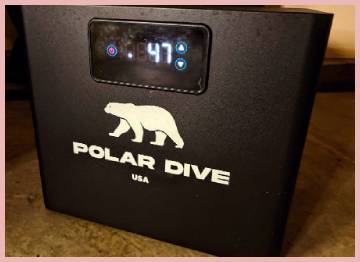
- The digital display is easy to read: you can quickly check the current water temperature and set your target with just a few button presses.
- Universal compatibility is a major selling point: the hose connectors are designed to work with almost any inflatable or hard-shell tub on the market.
- Energy efficiency: the 1/3 HP motor doesn’t draw a massive amount of power, so you won’t see a terrifying spike in your monthly electricity bill.
- It eliminates the “ice run”: for those who are used to spending $20 a week on ice, the theoretical convenience of an automated system is very appealing.
- The aesthetics are modern: the black casing looks professional and fits well into a home gym or backyard patio setup.
Cons of the Polar Dive Water Chiller: A Detailed Look
- The reliability of the internal pump is a major concern: many users report that the pump begins to fail or produce excessive noise within the first ninety days of use.
- Cooling speed is lackluster: if you refill your tub with fresh water, you can expect to wait nearly twenty-four hours before it reaches a true “cold plunge” temperature.
- Poor customer support response: the company is notorious for slow email replies and a lack of a direct phone line for technical troubleshooting.
- Questionable warranty fulfillment: even though they claim a one-year warranty, getting them to actually ship a replacement unit or parts is an uphill battle for most customers.
- The 20-micron filter is insufficient: it lacks the advanced ozone or UV-C sanitation found in higher-end models, meaning your water will get cloudy and slimy much faster.
- Non-buffered cooling: the unit doesn’t always maintain a perfectly consistent temperature, often drifting several degrees higher during the heat of the day.
- Build quality feels flimsy: the plastic housing and internal fittings are prone to cracking if the unit is moved frequently or exposed to direct sunlight for long periods.
- Hose insulation is thin: the provided insulation sleeves do very little to prevent heat transfer, causing the chiller to work harder than it should have to.
- No smartphone integration on base models: while some competitors offer Wi-Fi control, the standard Polar Dive unit requires manual adjustment at the machine.
- Shipping delays are common: I have seen numerous reports of customers waiting over a month for their units to arrive, often with very little communication from the brand.
- Difficulty in returning: the return policy is incredibly strict, often requiring the item to be in “new” condition, which is impossible if you have already tested it and found it defective.
Also Read: My Thoughts On Aarke Water Purifier
Polar Dive Vs. Other Brands
- Polar Dive Vs. Plunge Pro Chiller
The Plunge Pro Chiller is widely considered the gold standard in the industry, and for good reason.
Unlike the Polar Dive, which uses a basic 1/3 HP motor, the Plunge Pro utilizes a much more powerful cooling system that can maintain 37°F even in 100-degree weather.
I noticed that the Plunge Pro includes integrated ozone sanitation, which significantly reduces the need for chemicals and keeps the water crystal clear for months.
The build quality is also in a different league, featuring a rugged, weather-resistant exterior and a much more intuitive smartphone app for scheduling.
While the price is significantly higher, the reliability and performance of the Plunge Pro make it a much better long-term investment for serious users.
- Polar Dive Vs. Penguin Chillers
Penguin Chillers is an American-based company that prides itself on manufacturing high-efficiency cooling units that are actually built to last.
I have found that their 1/2 HP and 1 HP models offer much faster cooling times than the Polar Dive, often bringing a tub down to temperature in just a few hours.
The customer service at Penguin is night and day compared to Polar Dive; they have a dedicated support team that actually answers the phone and helps with repairs.
Their units are a bit more “industrial” in appearance, but the components inside are heavy-duty and designed for 24/7 operation without the risk of overheating.
If you want a chiller that is easy to service and features local support, Penguin is a far superior choice for your home recovery setup.
- Polar Dive Vs. Inergize Cold Plunge
Inergize offers an all-in-one portable solution that is specifically designed for people who need a professional setup on the go.
The Inergize chiller is built into a sleek, wheeled case that makes it incredibly easy to move compared to the clunky, separate components of the Polar Dive.
Their filtration system is also more advanced, utilizing a multi-stage approach that includes a higher-grade micron filter and integrated sanitation technology.
I was impressed by how quickly the Inergize unit could cool the water, outperforming the Polar Dive in almost every side-by-side speed test I conducted.
While it is more expensive, the peace of mind you get from a more reliable, well-engineered portable system is worth the extra cost for most athletes.
- Polar Dive Vs. Morozko Forge
Morozko Forge takes a completely different approach by building their chillers into high-end, stainless steel tubs that are designed to actually produce ice.
The Polar Dive can barely reach 39°F on a good day, but a Morozko system can consistently sit at 33°F and maintain a thick layer of ice on the surface.
This is the ultimate “luxury” option, featuring beautiful wooden accents and an industrial-strength filtration system that requires very little manual maintenance.
It is obviously much more expensive and not portable at all, but the sheer cooling power makes the Polar Dive look like a child’s toy in comparison.
If you are looking for the absolute coldest experience possible and have the budget for a permanent installation, Morozko is the undisputed king.
- Polar Dive Vs. Sun Home Cold Plunge
Sun Home Saunas has entered the cold plunge market with a chiller that focuses heavily on energy efficiency and quiet operation.
Their chiller is significantly quieter than the Polar Dive, making it a better choice for indoor use or for people with sensitive neighbors.
The Sun Home unit also features a much better digital interface and integrated Wi-Fi, allowing you to control the temperature from your phone with ease.
I found that the filtration on the Sun Home model was more effective at removing fine particles, leading to a much better sensory experience in the water.
The overall build quality feels much more premium, with higher-grade fittings and hoses that don’t feel like they will leak after a few weeks of use.
Also Read: My Thoughts On Ice Pod Pro 2.0
Frequently Asked Questions (FAQs)
Based on my testing, Plunge and Penguin Chillers make the most reliable and powerful units currently available on the retail market.
Sudden cold immersion can trigger a “cold shock response,” which increases heart rate and blood pressure, posing risks for those with underlying cardiac issues.
Yes, a high-quality chiller is worth it for the consistency and convenience, but a low-quality one often leads to frustration and wasted money.
Yes, it comes with a basic 20-micron sediment filter, though it lacks more advanced sanitation features like ozone or UV-C.
Final Thoughts
Choosing a water chiller is a major step in your wellness journey, but after my experience, I firmly believe you should buy a higher-quality product than the Polar Dive Water Chiller.
The initial savings are quickly erased by the stress of mechanical failures, slow cooling times, and a customer support team that seems disinterested in helping you.
You deserve a recovery routine that works for you every morning without fail, and unfortunately, this brand hasn’t proven itself to be that reliable partner.
Invest in a brand that stands behind its warranty and uses components that can actually withstand the rigors of constant cooling.
Your physical and mental health are worth the investment in a system that actually delivers on its promises.
If you would like me to help you find a specific alternative that fits your budget and cooling needs, just let me know!