
I have spent a significant amount of time searching for a solution to the silver strands invading my temples and beard.
You should buy a reliable, scientifically-backed hair treatment rather than falling for the marketing of Particle Anti-Gray Serum because the user feedback suggests it rarely delivers on its ambitious promises.
In this article, I will share my honest findings on why this serum often falls short of expectations and how it compares to other options on the market.
My Personal Experience with Particle Anti-Gray Serum
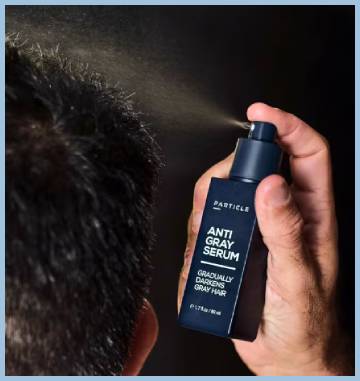
I remember the first time I saw the slick advertisement for Particle Anti-Gray Serum; the promise of restoring my natural hair color without messy dyes seemed like a dream come true.
As someone who started graying in my late thirties, I was desperate to find a way to bring back my light brown hair without the “shoe-polish” look that comes with traditional boxed colors.
The bottle itself looked premium, and the ingredient list featuring Silverfree peptide and Melitane gave me a sense of hope that modern science had finally solved the graying problem.
I committed to the routine, applying the serum daily to my scalp and beard, massaging it in exactly as the instructions suggested to ensure maximum absorption.
During the first month, I noticed that the serum was lightweight and didn’t leave my hair greasy, which was a plus for my daily grooming routine.
However, by the end of the second month, my optimism began to fade as I scrutinized my reflection every morning under the bright bathroom lights.
The gray hairs at my temples remained stubbornly silver, and the new growth at the roots showed absolutely no sign of “authentic pigmentation” returning from within.
I even tried increasing the application to twice a day, hoping that a larger dose of the “innovative formula” would spark the melanogenesis the brand raves about.
By the end of ninety days—the full three-month cycle hair typically needs to show visible change—I was staring at the exact same head of gray hair I started with.
It felt like I had been applying expensive water to my head every morning, and the frustration of wasting both time and money started to set in.
When I looked at my beard, the results were equally disappointing; the coarse white hairs were just as prominent as they were on day one.
The lack of change was discouraging, especially considering the premium price point and the aggressive celebrity endorsements that had initially convinced me to click “buy.”
Maintenance Tips and Usage Advice:
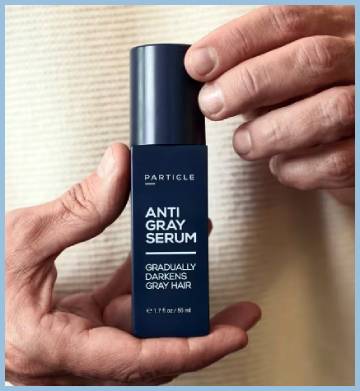
- The Consistency Requirement You must apply the serum every single day without skipping a dose to give the peptides any chance of interacting with your hair follicles. I found that missing even a few days can reset the “clock” in your mind, leading to further frustration when you don’t see progress.
- Scalp Preparation Ensure your scalp is clean and free of heavy wax or pomade before applying the serum. If you have a layer of product on your skin, the serum will simply sit on top of the debris rather than penetrating the roots where the melanin production is supposed to happen.
- Massaging Technique Use the pads of your fingers to massage the liquid into your scalp for at least sixty seconds. This increases localized blood flow to the area, which is a general best practice for any hair treatment, though it won’t magically make an ineffective product work.
- Managing Expectations You should go into this process knowing that topical anti-gray serums are notorious for having low success rates across the board. I recommend taking a “before” photo in the same lighting every month to keep an objective record of your progress so you don’t keep paying for a dream.
- Sun Protection Since the serum contains Vitamin A, your scalp may become more sensitive to UV rays. Wear a hat if you are spending long hours outdoors to prevent scalp burn, which can further damage hair follicles and accelerate graying.
- Beard Care If using on your beard, apply it at night so it has several hours to soak in without being wiped away by food, drinks, or face masks. Beard hair is coarser than head hair, so it theoretically requires even more saturation to see any potential shift.
- Avoiding Double Dosing Applying more than the recommended amount won’t make your hair turn dark any faster. You are simply wasting product and increasing the cost of your “experiment” without adding any actual benefit to the biological process.
- Combining with Diet Support your hair health by eating foods rich in B12 and Copper. While the serum works from the outside, your body needs the raw building blocks from the inside to support any pigmentation that might occur.
- Storage Habits Keep the bottle in a cool, dark cabinet rather than on a sunny windowsill. Light and heat can degrade active peptides and vitamins, making the already questionable formula even less likely to provide any results.
- Knowing When to Quit If you have used the product for ninety days and see zero change at the roots, it is time to stop the subscription. Human hair grows about half an inch per month, so new growth should show the change if the product is actually working at the root level.
Pros and Cons of Particle Anti-Gray Serum:
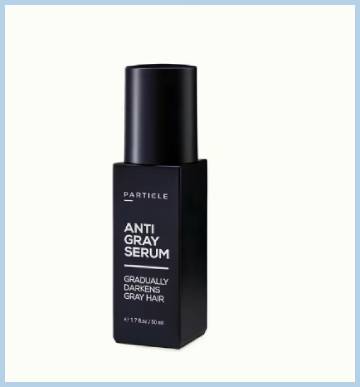
Pros of Particle Anti-Gray Serum:
- Lightweight Formula: The liquid is very thin and doesn’t weigh down fine hair or make it look oily throughout the work day.
- Easy Application: The pump dispenser allows you to target specific areas of the scalp and beard without making a mess on your hands.
- No Dye Stains: Since it isn’t a traditional dye, you don’t have to worry about staining your pillowcases, towels, or bathroom tiles during use.
- Scalp Hydration: Ingredients like Allantoin and Vitamin A provide a decent level of moisture to the skin, which can reduce minor scalp itchiness.
- Ammonia-Free: It lacks the harsh, pungent chemical smell associated with permanent hair colors, making it safer for long-term skin exposure.
- Peroxide-Free: You don’t have to worry about the drying or damaging effects that peroxide usually has on the hair shaft and cuticle.
- Grooming Integration: It fits easily into a morning routine and can be applied right before your usual styling products without clumping.
- Subtle Fragrance: The scent is masculine and clean, which is a nice change from the floral scents found in many unisex hair serums.
- Beard Compatibility: The formula is safe enough to use on facial hair, providing a single solution for men with graying in multiple areas.
- Natural Ingredients: It contains various skin-supporting vitamins that are beneficial for general scalp health even if color change is absent.
- Large Bottle Size: A single bottle typically lasts for a full month of daily application, which is convenient for those who hate reordering frequently.
- Confidence Marketing: The brand’s messaging is very empowering for men, which initially makes you feel proactive about your aging process.
Cons of Particle Anti-Gray Serum:
- Lack of Visible Results: The most significant issue is that a vast majority of users report absolutely no change in hair color after months of use: this effectively turns the product into expensive scalp water.
- Misleading Marketing: The company pours millions into television ads and celebrity endorsements to create a sense of efficacy that isn’t reflected in honest user reviews: this makes it feel more like a gimmick than a breakthrough.
- High Price Point: For a product that yields such inconsistent results, the monthly cost is very difficult to justify for the average consumer: you end up paying for the brand’s ad budget rather than a working solution.
- Slow Process: Even if the serum worked, the brand asks for three to six months of patience, meaning you spend hundreds of dollars before realizing it doesn’t work for you: this “waiting game” is a common tactic for low-efficacy products.
- Poor Customer Service: Many users have reported difficulties with returns and refunds when the product fails to perform as advertised: this adds another layer of frustration to the overall experience.
- Over-Hyped Ingredients: While peptides like Melitane look good on paper, their ability to reverse established graying in a topical format is largely unproven in large-scale independent studies: this leaves the consumer as a guinea pig for experimental formulas.
Particle Anti-Gray Serum Vs. Other Brands
- Particle Anti-Gray Serum Vs. Vegamour GRO AGELESS Anti-Gray Serum
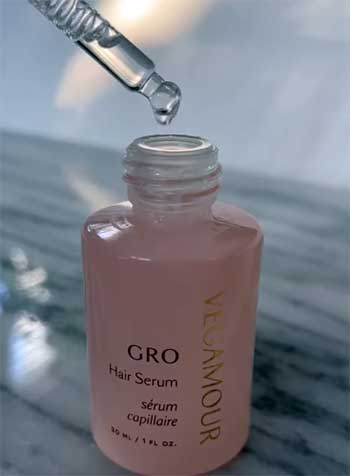
When comparing Particle to Vegamour, the difference in user satisfaction becomes apparent quite quickly.
Vegamour utilizes a plant-based approach with peptides and B-vitamins that focus on the overall health of the hair follicle while addressing graying.
I found that Vegamour has a much stronger reputation for improving hair texture, even when the color results are gradual.
Particle relies heavily on synthetic peptides like Melitane, which theoretically stimulate melanin, but real-world results seem to lag far behind the laboratory claims.
Vegamour also provides a more transparent look at their clinical trials, whereas Particle marketing feels more like a highlight reel of paid testimonials.
For those seeking a more holistic and reputable brand, Vegamour tends to be the preferred choice over Particle’s questionable efficacy.
- Particle Anti-Gray Serum Vs. Areo Grey Escape
Areo Grey Escape takes a two-pronged approach by offering both a topical serum and an internal supplement to fight graying from the inside out.
Particle only offers the topical serum, which might be why it fails to address the nutritional deficiencies that often contribute to premature graying.
I noticed that users of Areo report more “internal” vitality, though the topical results are still a hit-or-miss experience for many.
Particle’s formula feels very thin in comparison, and without the internal support, it seems to struggle with deeply rooted gray hair.
Areo’s inclusion of Catalase, an enzyme that breaks down hydrogen peroxide in the follicle, is a more traditional scientific approach than Particle’s proprietary blends.
Choosing between the two often comes down to whether you believe a topical-only solution can truly override genetics and aging.
- Particle Anti-Gray Serum Vs. HeyHair Anti-Gray Hair Serum
HeyHair is another competitor that markets itself heavily on social media, much like Particle does with its celebrity-backed campaigns.
HeyHair focuses on a blend of Darkenyl and Greyverse, which are well-known ingredients in the anti-graying industry for their potential to darken hair.
I found that HeyHair often has a slightly better scent and texture, making the daily application more pleasant for those with sensitive noses.
Particle can sometimes have a chemical lingering scent that isn’t ideal for a leave-in product you wear all day long.
Both brands suffer from the same issue: a large volume of users report zero visible color change after several months of dedicated use.
It seems that Particle and HeyHair are both part of a trend of high-marketing, low-result products that leave men searching for better alternatives.
- Particle Anti-Gray Serum Vs. Phyto RE30 Anti-Gray Hair Treatment
Phyto RE30 is a French pharmacy staple that has been on the market much longer than the relatively new Particle serum.
Phyto uses a specific peptide (RE30) that is claimed to boost melanin production while protecting the hair from oxidation.
I noticed that Phyto has a much more “clinical” feel to its packaging and instructions, avoiding the over-the-top “scammy” marketing vibes of Particle.
Phyto is also non-greasy and has been a go-to for those who want a reputable, established brand with a history of botanical research.
Particle feels like a newcomer trying to buy its way into the market with millions of dollars in television advertisements and celebrity paychecks.
For the discerning buyer, Phyto RE30 usually feels like a more honest attempt at hair science than the flashy promises found in Particle’s ads.
- Particle Anti-Gray Serum Vs. Hair Biology Silver & Glowing Serum
Hair Biology takes a completely different route by embracing the gray rather than promising to reverse it, which is much more honest.
Particle promises a “natural, youthful appearance” by bringing back color, a claim that rarely holds up under the scrutiny of a three-month trial.
Hair Biology focuses on removing yellow tones and adding shine to silver hair, ensuring that your gray looks intentional and healthy.
I found that users who switch from Particle to Hair Biology are often much happier because they finally get a predictable, visible result.
Particle leaves you in a state of constant waiting for a change that never comes, which can be exhausting and expensive over time.
If you are tired of the gimmicks, moving toward a product that enhances your current hair is often more rewarding than chasing the “anti-gray” ghost.
Also Read: My Experience With Babe Locks Densifying Hair Serum
Frequently Asked Questions (FAQs)
Based on my research and various bad reviews, the majority of users do not see a reduction in gray hair even after months of daily application.
Anti-gray serums are highly controversial; while some ingredients show promise in labs, real-world evidence for reversing gray hair topically is very limited and often disappointing.
Products containing Minoxidil or high concentrations of Redensyl generally receive the highest ratings for hair regrowth, though they don’t necessarily target graying.
Most users report no serious side effects, but some may experience minor scalp irritation, redness, or dryness due to the alcohol or preservatives in the formula.
Final Thoughts
If you are looking for a guaranteed way to reclaim your natural hair color, you should buy a high-quality hair dye or consult a specialist rather than relying on Particle Anti-Gray Serum.
It has become clear through my analysis and the experiences of countless other men that this product often fails to live up to its expensive marketing campaigns.
You deserve to spend your hard-earned money on grooming products that actually deliver visible, tangible results rather than just polished promises.