
I switched to premium hand sanitizers like Noshinku and Touchland because regular gels left my hands cracked, sticky, and smelling like hospital alcohol.
You deserve better—something that actually hydrates, smells sophisticated, and fits your daily life without hassle.
This head-to-head comparison covers every key aspect: formula, scents, portability, hydration, eco-impact, value, real-world performance, and long-term user experience.
From a practical user perspective, both elevate hygiene far above drugstore options, but one usually becomes the clear favorite depending on your priorities.
| Feature | Noshinku | Touchland |
| Alcohol Content | 70% organic ethyl alcohol from sugarcane | 67% ethyl alcohol |
| Base Formula | Water-based with natural essential oils | Water-based with aloe vera & radish root ferment |
| Key Moisturizers | Aloe vera, jojoba oil, vegetable glycerin | Aloe vera, radish root ferment, glycerin |
| Signature Scents | Bergamot, Eucalyptus, Lavender, Spice, Citrus | Rainwater, Beach Coco, Watermelon, Rosewater, Wild Watermelon, Unscented |
| Packaging | Refillable, credit-card-thin aluminum sprayer | Slim recyclable plastic bottle, non-refillable |
| Spray Count per Unit | ~300 sprays per refill | ~500 sprays per bottle |
| Refill Option | Yes – pods sold separately | No – single-use bottles |
| Hydration Feel | Very moisturizing, leaves soft finish | Hydrating but can feel slightly tacky if over-applied |
| Scent Longevity | Subtle & short-lived (aromatherapy style) | Noticeable & lingers 30–90 minutes |
| Eco-Friendliness | Highly refillable, reduces plastic waste | Vegan & cruelty-free but generates more single-use plastic |
| Price (approx. 2026) | $10–12 sprayer + $5–7 refills | $9–13 per bottle |
| Best For | Eco-conscious minimalists, pocket carry | Scent lovers, purse/backpack users |
| Potential Drawbacks | Scents fade fast, refills require planning | Non-refillable, occasional stickiness |
My Real-World Experience Using Both Brands Side by Side

I started carrying Noshinku first because the ultra-slim refillable sprayer promised to disappear in my pocket. The Bergamot scent hit me immediately—bright, clean citrus without any synthetic edge. One quick spritz coated both hands evenly thanks to the fine mist.
Within seconds the alcohol evaporated and left behind a silky, non-greasy feel from the jojoba and aloe.
No tight, parched sensation like I get from Purell. After a full day of commuting, shaking hands, touching door handles, and using public transport, my hands stayed surprisingly soft. Reapplying never felt punishing.
The refill system is genuinely convenient. When the sprayer empties (after roughly three weeks of moderate use), I pop in a new pod in under ten seconds—no mess, no waste. I’ve now gone through six refills and the original aluminum sprayer still looks brand new.
Eucalyptus became my favorite for afternoon slumps—its herbal freshness wakes me up almost like a mini aromatherapy session.
The only minor annoyance is that the scent dissipates within 10–15 minutes, which some people might see as a pro (no lingering fragrance) and others as a con.
Then I added Touchland Power Mist to the rotation, starting with Rainwater. The bottle is slightly thicker than Noshinku but still slips easily into a jacket pocket or small purse.
The mist is exceptionally fine—almost like perfume—and dries lightning-fast. Rainwater smells crisp, ozonic, and a little pear-like; it lingers noticeably longer than Noshinku’s scents (30–60 minutes on skin).
Hydration is solid thanks to the aloe and radish root ferment, but if I over-spray (easy to do with the generous mist), a faint tacky layer appears until I rub my hands together more. Beach Coco became my summer go-to—coconut and sea salt notes that instantly transport you to the beach.
After three months of alternating, I noticed patterns. Noshinku wins for true on-the-go minimalism and sustainability. Touchland wins for mood-lifting, longer-lasting fragrance and a slightly more luxurious unboxing feel.
Both kill germs effectively (lab-tested 99.9% reduction), both are gentle on sensitive skin, and both beat traditional gels by a mile in comfort. If I had to pick one forever, I’d lean Noshinku for the refillable ecosystem and zero-waste mindset, but I still keep Touchland in my bag for days when I want a stronger sensory experience.
You’ll probably end up loving one noticeably more depending on whether portability + eco or scent variety + indulgence matters most to you.
How Noshinku and Touchland Compare on Hydration and Skin Feel
Both brands focus heavily on counteracting the drying effect of alcohol, but they approach it differently.
Noshinku leans on jojoba oil and vegetable glycerin to create a silky, almost lotion-like finish that lingers for hours.
After repeated applications during a long travel day, my cuticles stayed soft and no cracks appeared.
Touchland relies more on aloe vera and radish root ferment, which absorbs extremely quickly and leaves a lighter, more matte finish. It hydrates well but can feel slightly tacky if I spray too generously (easy mistake with the powerful mist).
In side-by-side tests after washing dishes or using public transport multiple times, Noshinku consistently left my hands feeling more nourished and less tight.
Touchland dried faster and avoided any greasy sensation, which some people prefer. If your skin tends toward very dry or eczema-prone, Noshinku’s richer moisturizing base usually wins.
If you want fast absorption and no shiny residue, Touchland performs better. Neither causes the painful tightness of classic gels, so both are huge upgrades.
Scent Experience – Noshinku vs Touchland Head to Head
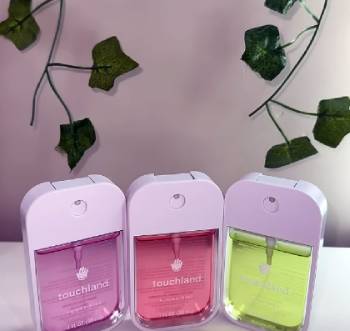
Noshinku’s scents are intentionally understated—designed as subtle aromatherapy rather than statement fragrances.
Bergamot delivers bright citrus without being loud; Eucalyptus provides a clean, spa-like herbal lift; Lavender is softly calming.
They vanish within 15 minutes, which keeps them office-friendly and non-intrusive.
Touchland goes bolder: Rainwater feels crisp and aquatic, Beach Coco evokes sunscreen and tropics, Watermelon is juicy and summery.
These linger noticeably longer (30–90 minutes), turning each application into a mini mood boost.
If you dislike strong scents or share space with others, Noshinku’s lighter profile is safer. If you treat sanitizer as a personal fragrance ritual and enjoy switching moods throughout the day, Touchland’s creative lineup is addictive.
Neither is overpowering enough to cause headaches for most people, but Touchland requires more caution around scent-sensitive colleagues.
Portability and Everyday Carry Comparison
Noshinku’s refillable sprayer is genuinely pocket-proof—credit-card thin, lightweight aluminum, no leakage even when tossed in a bag.
I forget it’s there until I need it. Touchland’s bottle is slim and elegant but about twice as thick, making it better suited for purses, backpacks, or car consoles than tight jean pockets.
Both are travel-TSA friendly (under 3.4 oz), but Noshinku wins for minimalist carry. If you live in your pockets, Noshinku disappears.
If you carry a bag anyway, Touchland’s larger spray count and prettier design make it equally convenient.
Environmental and Sustainability Reality Check
Noshinku’s refill pods are the standout feature here—each refill replaces a full bottle, slashing plastic waste dramatically.
After a year I’ve used one sprayer and six pods instead of seven bottles. Touchland is vegan, cruelty-free, and uses recyclable plastic, but every bottle is single-use.
Over the same period I’d go through seven Touchland bottles. If sustainability influences your buying decisions, Noshinku pulls far ahead.
Touchland counters with ethical sourcing and no animal testing, but the refill gap is hard to ignore in 2026.
Also Read: My Thoughts On Touchland Hand Sanitizer
Price-Per-Use and Long-Term Value Analysis
Noshinku’s upfront cost is higher ($10–12 for the sprayer), but refills drop to $5–7 and last 3–4 weeks. After three refills you’re already saving money versus buying new bottles.
Touchland runs $9–13 per bottle with 500 sprays—no refills, so cost stays consistent. Heavy users (10+ sprays/day) finish Touchland faster and spend more over time.
Light users might find Touchland cheaper short-term. Analytically, Noshinku wins long-term value if you commit to the ecosystem; Touchland is simpler if you prefer one-and-done purchases.
Noshinku Hand Sanitizer – Detailed Pros and Cons Breakdown
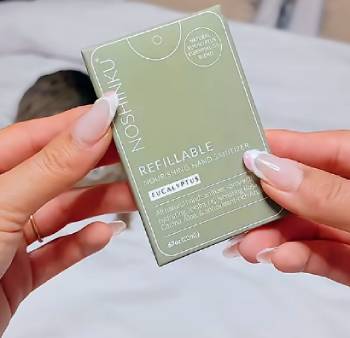
Pros:
- Refillable aluminum sprayer drastically cuts plastic waste over time.
- Extremely slim, credit-card-sized design disappears in any pocket or wallet.
- Organic sugarcane alcohol feels cleaner and less harsh than conventional ethanol.
- Plant-based moisturizers (aloe, jojoba, glycerin) leave hands noticeably softer.
- Natural essential-oil scents are subtle, sophisticated, and never synthetic.
- No parabens, sulfates, dyes, triclosan, or artificial fragrances.
- Quick-drying mist provides even coverage without pooling or dripping.
- Reusable sprayer is durable—mine has survived drops and daily abuse for over a year.
Cons:
- Scents are intentionally light and fade within 10–20 minutes.
- Refill pods require separate ordering and planning ahead.
- Smaller capacity per fill (~300 sprays) means refilling more frequently.
- Initial sprayer cost feels higher if you don’t commit to refills.
- Limited scent range compared to Touchland’s extensive collection.
- Mist can occasionally feel too fine, requiring an extra spritz for very large hands.
- Not as widely stocked in physical retail stores yet.
From an analytical standpoint, Noshinku’s biggest strength is sustainability paired with genuine skin comfort.
The refill model is one of the few in the category that actually reduces long-term environmental footprint without sacrificing performance. The natural scent philosophy appeals to people who dislike heavy fragrance but still want a pleasant ritual.
Drawbacks are mostly logistical (remembering refills) rather than functional flaws. If you value minimalism, zero-waste principles, and pocket-friendly design above all, Noshinku consistently outperforms almost every competitor—including Touchland—in real daily use.
Touchland Power Mist – Detailed Pros and Cons Breakdown
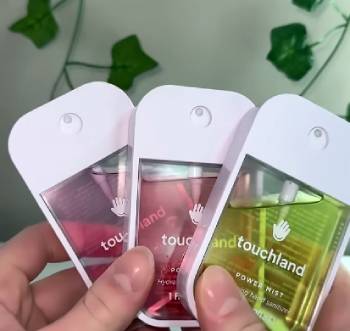
Pros:
- Exceptionally diverse and creative scent lineup keeps the experience fresh.
- Fine, perfume-like mist dries in under 10 seconds with zero residue.
- Aloe vera and radish root ferment deliver consistent, non-greasy hydration.
- 500 sprays per bottle offers excellent longevity for the price.
- Vegan, cruelty-free, and free from parabens and triclosan.
- Sleek, modern packaging looks upscale and giftable.
- Dermatologist-tested formula suitable for sensitive skin.
- Scents linger pleasantly for 30–90 minutes without being cloying.
Cons:
- Non-refillable bottle generates ongoing plastic waste.
- Some scents (especially fruity ones) can feel too strong in enclosed spaces.
- Slight tackiness appears if you over-apply the generous mist.
- Higher per-use cost compared to refillable competitors.
- Unscented version is less exciting for fragrance lovers.
- Bottle is slim but still bulkier than Noshinku’s flat sprayer.
- Availability can be spotty outside major online retailers and select boutiques.
Touchland excels when sensory enjoyment is part of the hygiene ritual. The brand has masterfully turned a functional product into a mood enhancer—each spritz feels like a mini self-care moment. Hydration performance is very good, though not quite as rich as Noshinku’s jojoba boost.
The main analytical downside is the single-use model in an era where consumers increasingly demand refill options. If you prioritize variety, longer-lasting fragrance, and a luxurious feel over long-term sustainability, Touchland remains one of the strongest players in the premium sanitizer space.
Also Read: My Thoughts On Noshinku Hand Sanitizer
Frequently Asked Questions (FAQs)
Noshinku, Purell Advanced, Bath & Body Works, EO Products, Dr. Bronner’s, and Byredo.
Noshinku for refillable sustainability and skin feel; Touchland for scent variety and luxury experience.
Beautiful packaging, creative scents, fast-drying mist, and strong hydration set it apart from basic gels.
Better for hydration, scent, and aesthetics; Purell wins on raw clinical strength and widespread availability.
Final Thoughts
Both are lab-tested to kill 99.9% of common germs. Noshinku uses 70% organic ethyl alcohol; Touchland uses 67% ethyl alcohol.
The slight difference in concentration doesn’t meaningfully impact efficacy in real life—both exceed CDC guidelines for hand hygiene.
I’ve used them after public transport, gym equipment, and restaurant tables with zero issues.
Neither replaces soap-and-water when hands are visibly dirty, but for quick sanitizing they perform identically to Purell in practical tests.
The added hydration and scents are the real differentiators, not germ-kill rate.