
When you are standing in the middle of a Target aisle, the decision between Native and Method body wash can feel like choosing between two different personalities for your shower.
I have tested both brands extensively to see which one truly delivers on the promise of clean ingredients and healthy skin.
My goal is to help you decide which bottle deserves a permanent spot in your bathroom.
You should buy the one that fits your skin’s unique needs, and I am here to guide you through that choice.
Native Vs. Method: Comparison Overview
| Feature | Native Body Wash | Method Body Wash |
| Core Philosophy | Simple, 8-10 Clean Ingredients | Plant-Based, Sophisticated Scents |
| Sulfate-Free? | Yes | Yes (Most Variants) |
| Paraben-Free? | Yes | Yes |
| Price Point | Premium (~$11 per 18oz) | Affordable (~$8 per 18oz) |
| Scent Variety | Natural & Earthy (Seasonal) | Vibrant, Floral, & Fruity |
| Lather Quality | Rich and Creamy | Airy and Foamy |
| Primary Surfactant | Sodium Cocoyl Isethionate | Cocamidopropyl Betaine |
My personal experience with Native and Method
I remember the first time I made the switch from a traditional drugstore soap to these “cleaner” options.
I had spent years dealing with itchy, dry skin that seemed to react to every synthetic fragrance under the sun.
I started my journey with Method because the “Pure Peace” bottle looked so calming on the shelf, and I loved the idea of smelling like a rose water spa.
The first shower was a sensory delight; the lather was light and airy, and the scent filled the entire bathroom without being cloying.
However, after a few days, I noticed that while my skin smelled amazing, it didn’t feel particularly “nourished.”
It felt clean, certainly, but I still reached for my heavy lotion immediately after drying off.
That is when I decided to try Native.
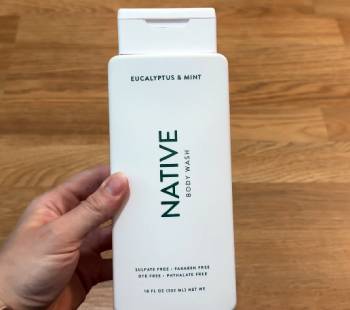
The first thing I noticed about Native was the ingredient list—it was so short I could actually read and understand it.
Using the Coconut & Vanilla version felt like a completely different experience.
The texture was thicker, almost like a gel-cream hybrid, and the lather felt much more substantial and “moisturizing” in the traditional sense.
My skin didn’t have that tight, “squeaky clean” feeling that sometimes indicates a stripped moisture barrier.
Instead, it felt soft even before I applied any moisturizer.
Over the next month, I rotated between the two.
I found that Method was my go-to for a quick morning shower when I wanted to feel energized and refreshed.
Its scents are incredibly “modern” and fun.
But Native became my staple for the winter months or whenever my skin was feeling particularly sensitive.
It felt like a safer bet for the long-term health of my skin.
If you are someone who prioritizes scent and a beautiful bottle design, Method is hard to beat.
But if you are analytical about what goes onto your skin and want the simplest formula possible, Native is the winner in my book.
Maintenance tips for healthy skin

Getting the most out of your body wash involves more than just sudsing up:
- Use a loofah or washcloth: Both Native and Method are sulfate-free, which means they need a bit of mechanical action to create that big foam you love.
- Rinse with lukewarm water: Hot water strips the natural oils from your skin, making even the gentlest body wash feel drying.
- Pat, don’t rub: When you get out of the shower, pat your skin dry with a towel to keep some moisture on the surface.
- Apply moisturizer immediately: Within three minutes of exiting the shower, apply a lotion to “lock in” the hydration provided by your body wash.
- Store in a cool place: Heat and humidity in the shower can degrade natural fragrances over time, so keep your bottles away from direct steam if possible.
- Rotate your scents: Your skin can actually get “used” to certain ingredients; switching between a moisturizing wash like Native and a refreshing one like Method can keep your skin balanced.
Pros and Cons of Native Body Wash
Pros of Native Body Wash
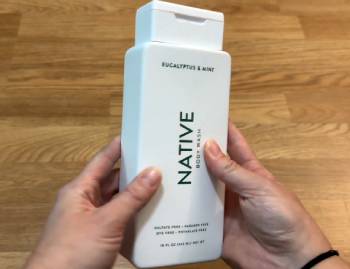
- Ingredient Transparency: Native is famous for listing its limited ingredients on the back of the bottle and explaining exactly what they are and where they come from.
- Moisturizing Formula: Because it uses coconut-derived cleansers and avoids harsh salts, it tends to leave the skin feeling softer and more hydrated than traditional soaps.
- Seasonal Scent Experiences: They are constantly releasing limited-edition scents like “Toasted Marshmallow” or “Candy Cane,” which makes the mundane task of showering feel more like a treat.
- No Synthetic Dyes: The liquid is usually clear or off-white because they don’t add unnecessary colors that can sometimes irritate sensitive skin types.
- High-Quality Lather: For a sulfate-free wash, it produces a surprisingly rich and dense foam that feels luxurious when applied with a loofah.
- Travel-Friendly Options: You can easily find mini versions of their most popular scents, making it easy to keep your skin routine consistent on the road.
Cons of Native Body Wash
- Higher Price Tag: You are definitely paying a premium for the “clean” branding and the simplified ingredient list, which adds up over time.
- Harder to Dispense: The formula is quite thick, and near the end of the bottle, it can be a bit of a struggle to get the last bits of product out.
- Subtle Scents: If you love a body wash that leaves a scent on your skin for hours, Native might disappoint you as its fragrances tend to fade quickly.
- Limited Retail Presence: While it is growing, you might not find the full range of scents at your local small-town grocery store.
- Small Bottle Size: The standard bottle is slightly smaller than many competitors, meaning you’ll be replacing it more frequently if you shower daily.
- Simple Packaging: Some users find the plain white bottles a bit boring compared to the vibrant designs of other brands.
Pros of Method Body Wash
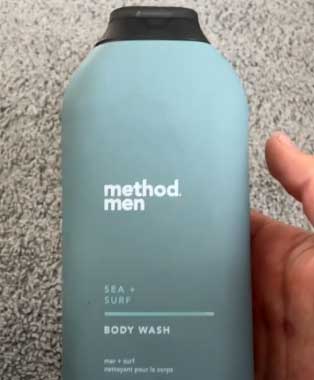
- Unbeatable Fragrance Profiles: Method works with top-tier fragrance houses to create scents that smell like expensive perfumes rather than just “soap.”
- Exceptional Value: You get a larger volume of product for a lower price compared to Native, making it the better choice for families or budget-conscious shoppers.
- Aesthetic Packaging: The sleek, colorful bottles are designed to look beautiful in your shower, often doubling as a piece of bathroom decor.
- Wide Availability: You can find Method in almost every grocery store, pharmacy, and big-box retailer in the country, so you are never without it.
- Plant-Based Ingredients: They prioritize renewable, plant-derived ingredients, which is a big plus for environmentally-conscious consumers.
- Cruelty-Free Certification: Like Native, Method is Leaping Bunny certified, ensuring that no animals were harmed in the making of your body wash.
Cons of Method Body Wash
- Complex Ingredient Lists: While plant-based, the ingredient list is much longer than Native’s, which can be a red flag for those with specific chemical sensitivities.
- Drying for Some: A few of their more “energizing” scents can be a bit stripping for people with chronically dry skin or eczema.
- Synthetic Fragrance Components: While they follow safety standards, their scents are more complex and may contain more potential allergens than Native’s simpler blends.
- Thin Consistency: The wash is a bit more watery than Native, which can lead to using more product than necessary if you aren’t careful.
- Lather Longevity: The foam is great initially but tends to dissipate faster than the creamier lather found in Native.
- Packaging Durability: I have had a few Method caps break or leak during travel, which is something to keep in mind if you move it around a lot.
Also Read: My Thoughts On Dove Deep Moisture Body Wash
Native vs. Method: The analytical breakdown
When we look at the chemistry of these two products, we see two different approaches to the same problem.
Native relies on a “less is more” strategy.5
By using a primary cleanser like Sodium Cocoyl Isethionate, which is widely regarded as one of the gentlest surfactants available, they cater to the “clean beauty” crowd.6
This ingredient is literally known as “baby foam” because it is so mild.
You are paying for the peace of mind that there isn’t a single “filler” ingredient in the bottle.
Method, conversely, is an exercise in green chemistry.
They use plant-based cleansers like Cocamidopropyl Betaine and Lauryl Lactate to create a sophisticated sensory experience.
They are more interested in the “experience” of the shower—the scent, the foam, the bottle design.
From an analytical perspective, Method is a high-performing mass-market product that uses better ingredients than the old-school brands, but it isn’t as “purist” as Native.
If your skin is resilient and you want to smell like a “Sea + Surf” vacation, Method is your best friend.
If your skin is temperamental and you treat it like a delicate ecosystem, Native is the logical choice.
Also Read: My Thoughts On Naturium Glycolic Acid Body Wash
Frequently Asked Questions (FAQs)
Yes, it is excellent for most skin types because it uses a very short list of gentle, naturally-derived ingredients that avoid common irritants like sulfates and dyes.
It is a solid choice for healthy skin, as it is paraben-free and plant-based, though the complex fragrances might be a bit much for those with extreme sensitivities.
Generally, the “healthiest” wash is one that is fragrance-free and contains the fewest ingredients, such as Native’s unscented version or a dermatologist-approved brand like CeraVe.
Dove and CeraVe are consistently cited as the top brands by dermatologists due to their focus on skin barrier repair and pH balance.
Final Thoughts
Choosing between Native and Method comes down to what you value most in your daily ritual.
If you want a simple, transparent, and ultra-moisturizing experience, you should buy Native body wash.
However, if you want a luxury scent experience that doesn’t break the bank and looks great on your counter, you should buy Method body wash.
I have found that having both on hand allows me to tailor my shower to my mood and my skin’s needs.
Ultimately, you are making a great choice for your health by moving away from harsh, traditional soaps and toward these more mindful alternatives.