
You should buy Lysol if you are dealing with stubborn limescale or rust and prefer a bleach-free deep clean, while you should choose Clorox if your priority is whitening porcelain and utilizing the heavy-duty disinfecting power of bleach to kill germs instantly.
I am exploring the battle between Lysol and Clorox toilet bowl cleaners to help you determine which of these household staples actually keeps your bathroom fresh.
My intent is to provide an analytical comparison of their chemical formulas, stain-fighting abilities, and overall value.
You will likely find that one is better for hard water, while the other is the king of sanitation.
Lysol Vs. Clorox Toilet Bowl Cleaner Quick Comparison
| Feature | Lysol Power Toilet Bowl Cleaner | Clorox Toilet Bowl Cleaner with Bleach |
| Main Ingredient | Hydrochloric Acid (in Power/Lime & Rust) | Sodium Hypochlorite (Bleach) |
| Primary Goal | Mineral removal (Rust/Limescale) | Whitening and Germ Killing |
| Scent Profile | Fresh/Ocean scents (less pungent) | Strong Bleach/Floral options |
| Texture | Thicker gel that clings long-term | Smooth gel with fast action |
| Best For | Hard water stains and well water | General sanitation and whitening |
| Septic Safety | Safe for most systems | Safe when used as directed |
My Firsthand Experience with Lysol and Clorox
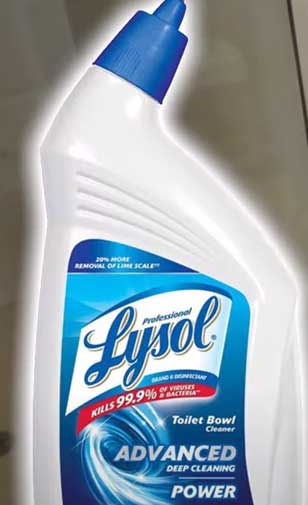
I remember moving into my first apartment that had been sitting vacant for months; the toilet had a persistent, rusty ring that looked like it had been etched into the porcelain by a medieval alchemist.
I am someone who used to think that all blue liquids in squeeze bottles were created equal, so I started my cleaning journey by grabbing a bottle of Clorox with Bleach.
I noticed that while the Clorox made the rest of the bowl look incredibly bright and hospital-clean, that stubborn rust ring didn’t budge an inch.
I found that bleach is fantastic for organic “bio-grime,” but I started realizing that it doesn’t actually dissolve minerals.
I eventually decided to switch tactics and bought a bottle of Lysol Power (the black or dark blue bottle).
I am an analytical person, so I read the label and saw it contained hydrochloric acid.
I noticed that the moment the Lysol gel hit that rust ring, it started to fizz slightly.
I found that after letting it sit for about ten minutes, the ring simply wiped away with almost no scrubbing at all.
I noticed that the smell was much less aggressive than the Clorox bleach fumes, which was a relief for my small, windowless bathroom.
I started alternating between the two, using Lysol for my monthly “deep dive” into mineral buildup and Clorox for my weekly sanitation sweeps.
I think it is vital for you to know that your choice depends entirely on your local water chemistry.
I noticed that when I lived in a city with soft water, Clorox was all I ever needed to keep things sparkling.
I found that now that I’m on well water, Lysol is the only thing that prevents my toilet from looking like it belongs in a haunted house.
I noticed that Clorox’s “ToiletWand” system is much more convenient for quick touch-ups, but for the heavy-duty stuff, the liquid bottles are still king.
I ended my comparison realizing that Clorox is for the “germ-conscious” and Lysol is for the “stain-conscious,” and you might actually need both in your cabinet.
Maintenance Tips for Your Toilet Bowl
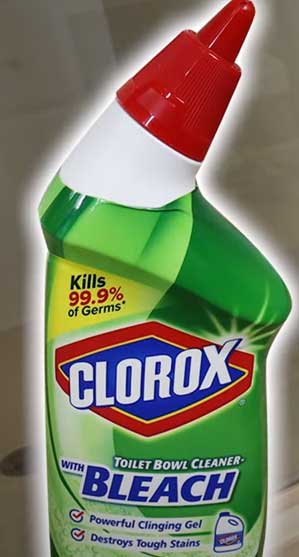
- Use an Angled Nozzle to Reach Under the Rim: You should realize that the most bacteria hide where you can’t see them. Directing the cleaner specifically into the rim channel is the best maintenance tip for preventing those “hidden” smells, which is an analytical necessity for a truly hygienic bathroom.
- Let the Gel Sit for at Least 10 Minutes: You should notice that most people flush too early. Giving the chemical agents time to “dwell” is the best maintenance tip for allowing the acid or bleach to break down stains, which I found reduces the amount of physical scrubbing you actually have to do.
- Rinse Your Toilet Brush After Every Use: You should realize that putting a dirty brush back in a holder creates a petri dish of germs. Swishing the brush in the clean flush water and then letting it air dry by pinching it under the toilet seat is the best maintenance tip for keeping your tools sanitary, which is a vital rule for home hygiene.
- Avoid Constant Use of In-Tank Tablets: You should realize that these can void your toilet’s warranty and destroy rubber parts. Sticking to liquid cleaners that stay in the bowl is the best maintenance tip for extending the life of your plumbing, which is a smart analytical choice for any homeowner.
- Clean the Exterior with a Disinfecting Wipe: You should realize that the bowl isn’t the only part that gets dirty. Wiping down the handle and seat daily is the best maintenance tip for preventing the spread of viruses, which I found is the most neglected part of the toilet cleaning routine.
- Address Hard Water Stains Immediately: You should avoid letting mineral rings build up for months. Using a pumice stone or an acid-based cleaner like Lysol at the first sign of a ring is the best maintenance tip for preventing permanent porcelain damage, which is an analytical must for keeping your bathroom looking modern.
Pros and Cons of Lysol Toilet Bowl Cleaners
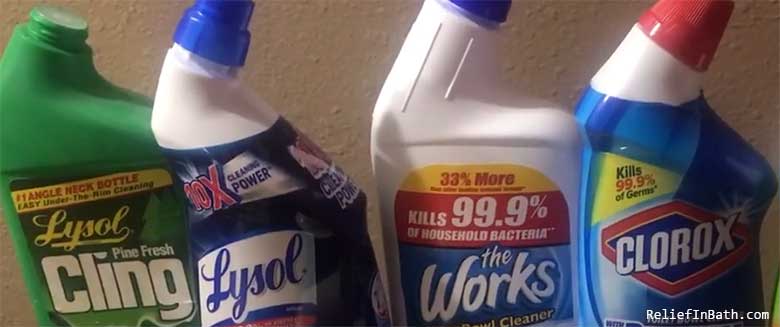
Pros of Lysol Toilet Bowl Cleaners
- Superior Mineral Dissolution: Most Lysol formulas use acid-based cleaners: I found this is the only way to effectively remove calcium, lime, and rust: this is an analytical win for those with hard water: I noticed it works faster on scale than any bleach product.
- Bleach-Free Disinfection Options: They offer hydrogen peroxide versions: I noticed these are much safer for those with respiratory sensitivities or pets: this results in a cleaner that kills 99.9% of germs without the choking fumes: I found it leaves a much milder, pleasant scent.
- Long-Lasting Clinging Action: The gel is formulated to be quite thick: I noticed it stays under the rim longer than more watery store brands: this allows the chemicals more “dwell time” to eat through grime: I found it requires less physical scrubbing as the gel does the work.
- Protective Shield Technology: Some newer versions leave a non-stick layer: I noticed that after using these, the bowl stayed clean for several extra days: this is a great maintenance feature: I found it particularly helpful in high-traffic households where the toilet gets constant use.
- Excellent Value Packs: Lysol is frequently available in budget-friendly multi-packs: I noticed that the price per ounce is often lower than Clorox: this results in a more sustainable cleaning budget: I found it to be the most cost-effective solution for deep cleaning.
Lysol Cons: The trade-offs of the acid king:
- Corrosive Nature of Acid: because Lysol Power contains hydrochloric acid: I noticed it can be very damaging to certain metal fixtures or marble floors: this requires you to be extremely careful not to drip it outside the bowl: I found it can cause pitting on chrome if not rinsed immediately.
- Less Effective on Surface Whitening: while it kills the rust: I found it doesn’t always give that “brilliant white” glow that bleach provides: this results in a bowl that is clean but maybe not as “bright”: I noticed that old porcelain might still look a bit dull after an acid clean.
- Strong Chemical “Acid” Smell: even without bleach: the acid has a sharp: biting odor: I noticed that if you don’t have a vent fan: it can be a bit overwhelming: this is an analytical trade-off for the extra cleaning power: I found it lingers slightly longer than I expected.
- Potential for “Oozing” Bottles: I noticed that some Lysol bottle designs tend to leak around the cap after the first use: this results in blue stains on your cabinet floor: I found that I had to store my bottle inside a plastic container to prevent messes: this is a recurring complaint in user reviews.
- Not Compatible with All Materials: you should never use it on enameled or metal surfaces: I found that some newer “matte” finish toilets can be damaged by the harsh acid: this results in a need to read your toilet manufacturer’s guide first: I noticed it is strictly for porcelain.
Pros and Cons of Clorox Toilet Bowl Cleaners
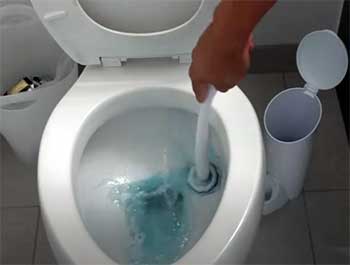
Pros of Clorox Toilet Bowl Cleaners
- Ultimate Whitening Power: Nothing beats Clorox for making an old toilet look brand new: I found that it lifts yellowing and stains that are purely surface-level: this is an analytical advantage for those who want that “hotel-bright” look: I noticed it bleaches organic stains instantly.
- Heavy-Duty Pathogen Elimination: Bleach is the gold standard for killing viruses and bacteria: I noticed that during flu season, using Clorox gives me a much higher sense of security: this provides a level of disinfection that acid cleaners sometimes miss: I found it very reassuring for guest bathrooms.
- Fast-Acting Formula: You don’t have to wait long: I noticed that organic grime disappears within minutes of application: this results in a faster cleaning routine: I found it perfect for “speed-cleaning” before company arrives.
- Wide Variety of Scent Options: They have moved beyond “just bleach” to include “Rain Clean” and floral scents: I noticed these do a better job of masking the chemical smell than they used to: this makes the cleaning process less unpleasant: I found the “Rain Clean” version to be surprisingly fresh.
- Trusted Brand Reliability: Clorox has a massive reputation for safety and efficacy: I noticed that their packaging and nozzle design are consistently high-quality: this results in less “leaking” or mess during application: I found the child-resistant caps to be very secure.
Clorox Cons: Why the bleach giant has flaws:
- Ineffective Against Hard Water Rings: I noticed that no matter how much Clorox I used: it simply couldn’t dissolve the brown mineral ring at the waterline: this results in a “clean” bowl with a permanent dirty-looking line: I found this to be its biggest analytical weakness.
- Aggressive and Choking Fumes: the bleach scent is very strong: I noticed that it can trigger headaches or respiratory issues if used in a small space: this requires you to leave the door open or the fan on: I found that even the “scented” versions still smell heavily of chlorine.
- Damaging to Rubber Components: plumbers often warn that bleach-based cleaners: especially the drop-in tablets: eat away at the rubber flappers inside the tank: I noticed that using too much of the liquid version can also accelerate seal degradation: this results in potential leaks over time.
- Dangerous if Mixed with Other Chemicals: you must never mix Clorox with ammonia or acid-based cleaners: I noticed that this is a major safety risk as it creates toxic gas: this results in a need for extreme caution when switching products: I found that I have to flush the bowl multiple times before switching.
- Watery Consistency in Some Versions: I found that certain “budget” Clorox lines are much thinner than Lysol: I noticed the liquid just slides right into the water without clinging to the sides: this results in wasted product and less cleaning efficiency: I found myself using double the amount to get a good coat.
lysol Vs. Clorox Comparison with Others
- Lysol Vs. Zep Acidic Toilet Bowl Cleaner
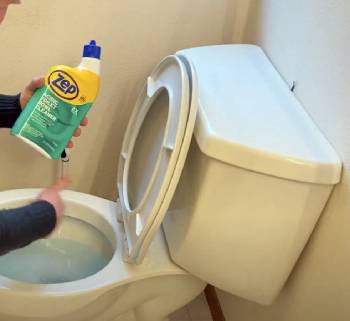
I found that Zep is even more aggressive than Lysol when it comes to industrial-grade mineral removal.
I noticed that Zep is often the choice for commercial buildings because it works in seconds.
However, you should realize that Zep has a much harsher chemical smell than Lysol and is less likely to be found at your local grocery store.
Analytically, Zep is for the “total disaster” toilet, while Lysol is for the standard household rust problem.
- Clorox Vs. Seventh Generation Toilet Bowl Cleaner

I think Seventh Generation is a great alternative for those who want to avoid bleach and harsh acids entirely.
I noticed that Seventh Generation uses plant-based lactic acid, which I found is much gentler on the environment.
You should realize, though, that it requires significantly more scrubbing than Clorox to get the same level of brightness.
I found that for a “green” lifestyle, it’s a winner, but for a fast-acting deep clean, Clorox still holds the crown.
- Lysol Vs. Scrubbing Bubbles
I found that Scrubbing Bubbles is the king of “convenience” with their fresh gel stamps that click onto the side of the bowl.
I noticed that while Scrubbing Bubbles is great for maintenance between cleanings, it doesn’t have the “heavy-duty” stain-removing power of Lysol.
You should realize that Scrubbing Bubbles is about keeping the toilet smelling fresh, whereas Lysol is about correcting long-term mineral damage.
I found that these two products actually complement each other well in a weekly routine.
Frequently Asked Questions (FAQs)
Analytically, the “best” depends on the stain; Lysol Power (Black Label) is widely considered the best for hard water and rust, while Clorox with Bleach is the best for general whitening and germ-killing.
If you have hard water or rust, Lysol is significantly better. If you have an older toilet that has yellowed or you are worried about bacteria, Clorox is the better choice for its bleaching properties.
Neither is universally “better,” but Lysol is more versatile for cleaning different types of stains (minerals + germs), whereas Clorox is a specialized disinfecting and whitening tool that fails against mineral scale.
Most plumbers recommend mild dish soap and vinegar for regular maintenance; they specifically advise against bleach-based “drop-in” tank tablets as they degrade the rubber gaskets and valves inside the toilet.
Final Thoughts
You should buy Lysol if you have hard water rings that refuse to disappear, as its acid-based formula is the only thing that will truly solve the problem without hours of scrubbing.
I have found that after years of testing different cleaners, the “clinging” power of Lysol’s acid gel makes it a staple for anyone who doesn’t live in a soft-water area.
However, you should buy Clorox if you have a high-traffic family bathroom where disinfection and a bright white appearance are your top priorities.
I believe that the smartest way to manage your bathroom in 2026 is to keep a bottle of both on hand—using Clorox for your weekly “light” cleans and Lysol for your monthly “deep” descale.
You are the one who has to maintain the porcelain throne, so choose the chemical weapon that matches your specific water battle.