
When you are dealing with thinning enamel or the sharp sting of tooth sensitivity, you should buy Dr. Jen Toothpaste because it represents the gold standard in remineralizing oral care.
I have spent months testing different hydroxyapatite formulas to help you understand why this specific 10% nano-hydroxyapatite concentration is a game-changer for your dental health.
My intent is to provide an analytical review of Dr. Jen’s toothpaste so you can decide if the investment is worth the protection it provides to your pearly whites.
You should choose this toothpaste if you want to swap synthetic chemicals for science-backed mineral restoration.
My personal experience with Dr. Jen Toothpaste
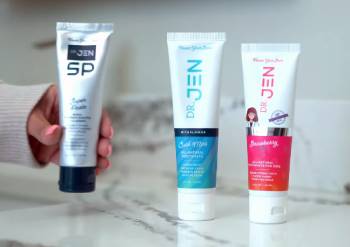
I remember the first time I squeezed a pea-sized amount of Dr. Jen’s Cool Mint onto my brush; I was immediately struck by the texture, which felt more like a high-end skincare product than the chalky pastes I grew up with.
I am someone who has struggled with receding gums and sensitivity for years, often wincing at the thought of a cold glass of water.
I started using this paste after a recommendation from my dentist, who mentioned that the 10% nano-hydroxyapatite concentration is the exact “sweet spot” for re-hardening enamel.
The first thing I noticed was the flavor—it is a mild, refreshing peppermint that doesn’t burn your tongue or leave that artificial aftertaste that lingers for hours.
However, the real transformation happened about three weeks into my trial. I found that my teeth felt significantly smoother, almost like they had just been professionally polished at the dental office.
I am an analytical observer of my own health, and I noticed that the tiny “zings” of pain I used to feel when eating citrus or ice cream had completely vanished.
I also checked my gums in the mirror and noticed they looked less inflamed and stopped bleeding entirely during my nightly flossing routine.
I think it is vital for you to know that this paste doesn’t foam up like traditional brands because it lacks Sodium Lauryl Sulfate (SLS).
You will likely find that the lack of foam is actually a benefit once you get used to it; it allows you to see exactly where you are brushing without a mouthful of bubbles.
I also appreciated that my teeth appeared naturally whiter without the use of harsh peroxides that usually send my sensitivity into overdrive.
I found that the “clean” feeling lasted much longer through the day compared to mainstream fluoride brands. I began to feel much more confident in my oral health, knowing I was replenishing the actual minerals my teeth are made of.
By the end of my second tube, I realized that I had become a loyal customer, despite the higher price point, because the results were simply too good to ignore.
Maintenance and tips for Dr. Jen Toothpaste longevity
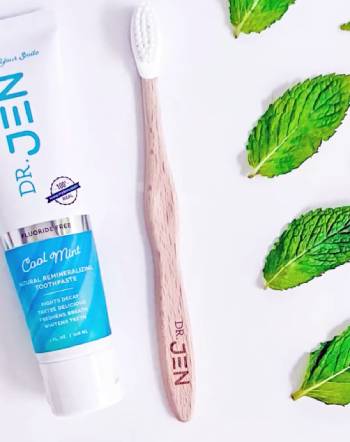
- Do Not Rinse Your Mouth After Brushing: You should spit out the excess paste but leave the residue on your teeth. This allows the nano-hydroxyapatite to continue bonding with your enamel for hours after you finish brushing, which is the most analytical way to maximize the remineralization process and get your money’s worth.
- Wait 30 Minutes Before Eating or Drinking: You should give the minerals a chance to “set” on your tooth surfaces. Consuming acidic drinks or food immediately after brushing can wash away the active ingredients before they have time to seal the microscopic gaps in your enamel, which is a vital step for effectiveness.
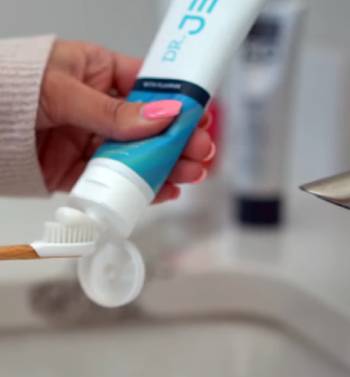
- Use Only a Pea-Sized Amount: You should avoid the “commercial” look of a long strip of paste across the brush. Because Dr. Jen’s formula is so concentrated with 10% nHAp, a small amount is all you need to coat your teeth, which helps the tube last significantly longer and reduces your monthly expenses.
- Store the Tube with the Cap Tightly Sealed: You should prevent air from entering the tube to keep the essential oils and moisture levels consistent. Natural formulas can sometimes dry out faster than synthetic ones, so maintaining an airtight seal ensures the texture remains smooth and easy to apply from the first squeeze to the last.
- Brush Gently for at least Two Full Minutes: You should focus on the quality of your brushing rather than the pressure. Using a soft-bristled brush allows the nano-particles to be massaged into the dentinal tubules without irritating your gums, which supports the “low-abrasion” philosophy that Dr. Jen advocates for enamel health.
- Incorporate Flossing Before Brushing: You should clear the debris from between your teeth so the toothpaste can actually reach those hidden surfaces. When the spaces between teeth are clean, the remineralizing paste can flow into those areas, which helps prevent “hidden” cavities that often start where teeth touch.
Pros and Cons of Dr. Jen Toothpaste
Pros of Dr. Jen Toothpaste
- Clinically proven 10% nano-hydroxyapatite concentration: This is the exact percentage shown in studies to match the cavity protection of fluoride: it works by filling in the microscopic fissures in your enamel: this provides a physical layer of defense that traditional pastes simply cannot offer.
- Significant reduction in tooth sensitivity: The nano-sized particles are small enough to seal the dentinal tubules: this blocks the pathways to the nerves: this makes it a lifesaver for people who struggle with hot or cold triggers.
- Safe and non-toxic if accidentally swallowed: Because it is made of the same minerals found in your bones and teeth: it is completely fluoride-free and safe for all ages: this makes it the perfect choice for families with young children who haven’t mastered the “spit” technique yet.
- Promotes a healthy oral microbiome: It is formulated with xylitol and essential oils rather than harsh detergents: this helps to balance the pH of your mouth: this prevents the growth of bad bacteria without killing the beneficial ones.
- Visible natural whitening without irritation: It uses gentle polishing agents like hydrated silica and calcium carbonate: these remove surface stains from coffee and tea: this brightens your smile without the “stripping” sensation of chemical bleaches.
- Low abrasivity (RDA 38): It is incredibly gentle on your enamel and gums: many whitening pastes are highly abrasive and can actually wear down your teeth over time: this low RDA score ensures you are protecting your smile for the long term.
- Developed and owned by a practicing dentist: You aren’t just buying a marketing gimmick from a big corporation: Dr. Jen created this based on decades of clinical experience: this adds a layer of professional trust that is hard to find in the “natural” aisle.
Cons of Dr. Jen: An analytical look at the downsides:
- High price point compared to drugstore brands: a single tube can cost three to four times more than a standard brand: this can be a significant hurdle for budget-conscious families: this makes it a “luxury” item in the world of oral hygiene.
- Non-foaming formula takes time to get used to: because it is SLS-free, it doesn’t create the sudsy explosion most Americans associate with cleanliness: this can leave you feeling like you aren’t “cleaning” properly at first: this requires a shift in your perception of how toothpaste should function.
- Limited availability in physical retail stores: you often have to order it online or find a specialized dental office that stocks it: this lacks the convenience of being able to grab a tube during a late-night grocery run: this requires you to plan your purchases in advance.
- Small tube size for the investment: the packaging is often smaller than the jumbo-sized tubes found in big-box stores: this means you go through the product faster than you might expect: this further increases the long-term cost of maintenance.
- Mild flavor may not be “minty” enough for some: if you prefer an intense, mouth-numbing cooling sensation: you might find the natural peppermint oils a bit too subtle: this can lead to a feeling that your breath isn’t as fresh as it could be.
- No “instant” results for severe decay: while it remineralizes early-stage issues: it cannot fix a deep cavity that already requires a filling: this can lead to disappointment if users expect it to be a magical “cure-all” for years of neglect.
- Packaging can be difficult to squeeze toward the end: the material used for the tube is sturdy but can be stubborn when the product runs low: this often results in a small amount of wasted paste at the bottom: this is frustrating given the high cost per ounce.
Dr. Jen Toothpaste Vs. Other Brands
- Dr. Jen Toothpaste Vs. Boka Toothpaste
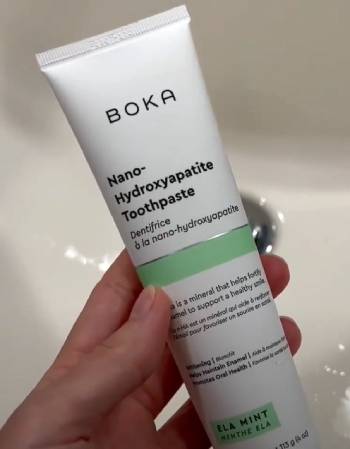
Boka is perhaps the most well-known competitor in the nano-hydroxyapatite space, often recognized for its unique flavor profiles like Coco Ginger.
I have found that Boka typically has a thinner, more liquid-like consistency compared to the richer feel of Dr. Jen.
Analytically, while both use nHAp, Dr. Jen is very transparent about its 10% concentration, whereas Boka’s exact percentage can sometimes be harder to pin down on the label.
Boka is often slightly more affordable and easier to find on Amazon. You will find that Boka is great for those who hate mint, but Dr. Jen feels more like a professional dental treatment.
- Dr. Jen Toothpaste Vs. RiseWell Toothpaste
RiseWell uses “micro-hydroxyapatite” rather than the “nano” version found in Dr. Jen’s formula. I have noticed that RiseWell has a much thicker, almost paste-like texture that feels very substantial during brushing.
Analytically, nano-hydroxyapatite is generally considered more effective for sensitivity because the smaller particles can enter the tubules more easily.
RiseWell is an excellent option for those who are strictly avoiding “nano” particles due to personal preference.
You should choose RiseWell for a more traditional “thick” paste feel, but go with Dr. Jen if your primary goal is stopping sensitivity.
- Dr. Jen Toothpaste Vs. Apagard Premio
Apagard is the original Japanese brand that pioneered hydroxyapatite technology back in the 1980s. I find that Apagard Premio has a very distinct, “medical” taste that isn’t as pleasant as Dr. Jen’s essential oil blend.
Analytically, Apagard is the most researched brand in the world, but it can be difficult to verify the ingredients when ordering from overseas.
Dr. Jen offers a modern, American-made alternative that follows the same clinical principles. You will likely appreciate the flavor of Dr. Jen more, even if Apagard has the longer history in the global market.
- Dr. Jen Toothpaste Vs. Sensodyne Pronamel
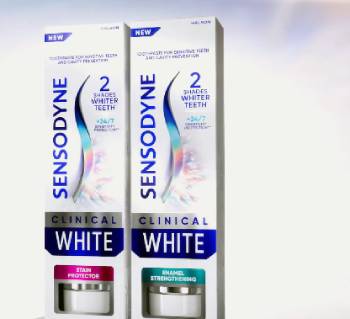
Sensodyne is the mainstream king of sensitivity, but it relies on potassium nitrate to “numb” the nerves rather than repairing them.
I have noticed that Sensodyne still uses fluoride and often includes SLS or artificial colors in many of its varieties.
Analytically, Sensodyne is a “band-aid” solution that blocks pain, while Dr. Jen is a “restorative” solution that rebuilds the barrier.
Sensodyne is much cheaper and available at every corner store. You should choose Sensodyne for a quick, cheap fix, but Dr. Jen is the superior choice for long-term enamel restoration.
- Dr. Jen Toothpaste Vs. Davids Sensitivity + Whitening
Davids is famous for its recyclable metal tube and premium “made in USA” branding.
I have found that Davids uses a very high-quality nano-hydroxyapatite, but the metal tube can be a bit of a pain to squeeze as you reach the end.
Analytically, both brands are at the top of the “clean” oral care market with similar price points. Davids tends to have a much stronger, more “aggressive” peppermint flavor than the mild Dr. Jen.
If you love aesthetic packaging and strong mint, Davids is a great pick, but Dr. Jen’s dentist-led formulation feels more clinical.
Frequently Asked Questions (FAQs)
The main negatives are the high cost, the lack of foaming which users find “unsatisfying,” and the fact that it isn’t as widely studied for long-term cavity prevention as fluoride in Western dentistry.
Many dentists still prioritize fluoride because it has decades of established public health data, and they may be less familiar with the emerging research on hydroxyapatite’s effectiveness at the 10% concentration.
While “best” is subjective, for those seeking fluoride-free remineralization, a 10% nano-hydroxyapatite paste like Dr. Jen is widely considered the top tier of modern oral care technology.
Dr. Jen’s toothpaste contains exactly 10% nano-hydroxyapatite, which is the clinically proven optimal concentration for maximum enamel repair and sensitivity relief.
Final Thoughts
When you are ready to stop just cleaning your teeth and start actually rebuilding them, you should buy Dr. Jen Toothpaste as a serious investment in your long-term health.
I have found that the transition from traditional fluoride pastes to this 10% nano-hydroxyapatite formula is the most analytical decision you can make for sensitivity.
You should choose this brand if you value transparency, dental-grade concentrations, and a non-toxic ingredient list that actually delivers results.
I believe that the science of remineralization is the future of oral care, and Dr. Jen is leading the charge with a product that lives up to the hype.
You deserve to enjoy your favorite foods and drinks without pain, and this toothpaste provides the mineral shield you need to make that a reality.