
I have found that the debate of Cocolab Vs. Cocofloss is one you should care about if you are tired of painful, shredding dental floss and want a premium, high-traction solution for a cleaner smile.
The main intent of this article is to analyze the features, user experiences, and brand evolution of these products to help you decide which “loofah for your teeth” is worth your investment.
I have realized that while these two names often pop up in the same search, the reality of their relationship is simpler than most people think, and I want to guide you through the transition.
You should read this review to discover how a dentist-designed string can actually make you look forward to your nightly oral hygiene routine.
Comparison at a Glance: Cocolab Vs. Cocofloss
| Feature | Cocofloss (Original Branding) | Cocolab (Modern Evolution) |
| Primary Material | 500+ Polyester Filaments | Recycled Polyester (Post-consumer) |
| Coating | Coconut Oil & Microcrystalline Wax | Coconut Oil & Vegan Wax |
| Texture | Woven/Expanding | Woven/Textured “Loofah” |
| Sustainability | Plastic Dispenser | Refillable & Eco-friendly |
| Variety | Multiple Fruit/Mint Flavors | Enhanced Seasonal Collections |
| Target User | Tight gaps & Sensitive Gums | Eco-conscious & Plaque-focused |
The Evolution: My Personal Journey from Cocofloss to Cocolab
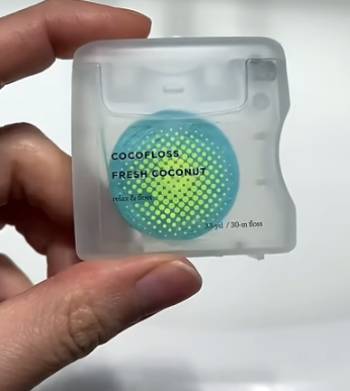
I remember the first time I saw a bright teal container of Cocofloss in my dentist’s office; I was skeptical that a string could really be “luxurious.”
I am someone who has spent years fighting with generic drugstore floss that either snapped between my molars or felt like I was trying to clean my teeth with a razor blade.
I eventually gave in and tried the coconut-scented version, and I was genuinely shocked by the texture; it felt like a tiny, soft towel scrubbing the sides of my teeth rather than a slippery plastic ribbon.
I found that the “Expanding” technology actually worked, filling the gaps between my teeth and pulling out debris that my electric toothbrush had completely missed.
I am now a user who has transitioned along with the brand as it evolved into Cocolab, and I have realized that the core experience hasn’t just stayed the same—it has actually improved in terms of sustainability.
I noticed right away that the transition to Cocolab brought a heavier focus on refillable packaging, which made me feel much better about my daily waste.
I am a huge fan of the fact that Cocolab kept the dentist-led philosophy that made the original so effective, focusing on the mechanical “scrubbing” action rather than just sliding through.
I recently tried their seasonal flavors like Cara Cara Orange and Hibiscus, and I realized that having a variety of scents actually makes me more likely to floss when I’m tired and just want to go to bed.
I noticed that the Cocolab version feels slightly more robust, perhaps due to the move toward recycled polyester filaments that hold their shape even in the tightest contacts.
I have found that since making the switch to this woven style of floss, my dental hygienist has stopped lecturing me about gum inflammation during my bi-annual cleanings.
I am convinced that whether you call it the original name or the new Cocolab branding, this is the only tool that has actually turned my “chore” into a ritual.
The Functional Breakdown: How They Compare
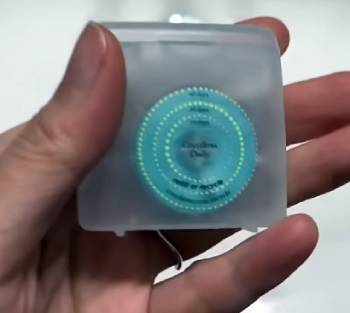
If you are looking at Cocolab vs. Cocofloss, you are essentially looking at the past and the future of the same high-end oral care vision.
The main difference lies in the branding and the environmental commitment, with Cocolab representing the fully realized, eco-friendly version of the original Cocofloss concept.
I noticed that the Cocolab branding has streamlined the flavor offerings and focused more on the “refill” culture, which aligns with modern consumer values.
You should realize that both products use the same 500-filament woven technology, so the physical experience of cleaning your teeth remains identical.
I found that the original Cocofloss containers were more colorful and “pop-art” inspired, whereas the Cocolab aesthetic is a bit more refined and minimalist.
I am a user who appreciates that Cocolab hasn’t messed with the formula of the floss itself, as the “expanding” feature is what made it famous in the first place.
I noticed that Cocolab’s marketing is now more focused on “Clean Beauty” and the removal of PFAS, which are those “forever chemicals” often found in slippery, smooth dental floss.
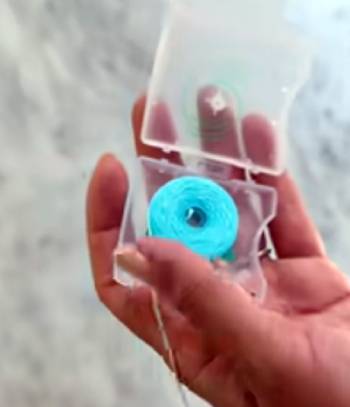
I have realized that while some people might still have old Cocofloss stock, the new Cocolab refills fit perfectly into the older cases, making the transition seamless for long-term fans.
I am convinced that the brand’s analytical approach to “interdental loofahs” is what sets them both apart from the mass-market competition.
Also Read: My Thoughts On Brush Buddies Herbal Toothpaste
Pros and Cons of Using Cocolab/Cocofloss
Pros of Using Cocolab/Cocofloss: The Analytical Advantages
- Superior Plaque Removal via Textured Filaments: It features over 500 individual polyester filaments woven together to create a high-surface-area string: I found that this design acts like a loofah for the gums: this results in a much more thorough clean compared to flat PTFE tape: I noticed that it grabs sticky plaque rather than just moving it around: I realized that the texture is the secret to that “just-scaled” feeling.
- Infused with Antimicrobial Coconut Oil: It utilizes a coating of natural coconut oil and vegan wax to soothe the gum line: I found that this helps the floss glide comfortably without the need for harsh chemicals: this provides a gentle experience for those with sensitive or bleeding gums: I noticed a significant reduction in redness after just a week of use: I realized that the coconut oil adds a functional health benefit beyond just flavor.
- Environmentally Conscious Design and Materials: It features a shift toward recycled polyester sourced from post-consumer water bottles: I found that the refillable dispensers are a massive upgrade over single-use plastic containers: this results in a smaller carbon footprint for your daily hygiene: I noticed that the packaging is sleek and aesthetic while remaining functional: I realized that looking after my teeth can also mean looking after the planet.
- Wide Array of Engaging Flavors: It features a variety of scents like Delicious Mint, Fresh Coconuts, and Strawberry: I found that these flavors are light and refreshing rather than overwhelming or medicinal: this results in a psychological “reward” that encourages better habits: I noticed that the scents don’t leave a sugary film in the mouth: I realized that making a product “fun” is a legitimate way to improve patient compliance.
- Strong and Shred-Resistant Construction: It utilizes a woven structure that is surprisingly durable even when faced with sharp dental work or tight crowns: I found that it doesn’t snap as easily as cheap waxed floss: this provides a frustration-free experience for users with complex dental landscapes: I noticed that even when the floss expands, it maintains its integrity: I realized that durability is a key metric for premium floss value.
Cons of Using Cocolab/Cocofloss: Points to Consider
- Premium Price Point Compared to Generic Brands: It features a significantly higher cost than the basic floss you find in a grocery store: I found that for a household of four, the monthly cost can add up quickly: this results in a product that feels like a luxury investment rather than a staple: I noticed that you have to be intentional with your usage to make the spool last: you should realize that you are paying for the patented weave and brand mission: I realized that the price reflects the quality, but it isn’t for everyone.
- Potential Difficulty for Extremely Tight Contacts: It features a thicker, textured body that expands upon tension: I found that for the very tightest gaps between my back molars, it required a bit more “seesaw” action to get in: this results in a slightly longer flossing time if your teeth are crowded: I noticed that some users might find it too “beefy” for their specific anatomy: you should realize that the thickness is what provides the cleaning power: I realized that there is a slight trade-off between ease of entry and cleaning efficiency.
- Transition Period for Traditional Tape Users: It utilizes a “scrubbing” sensation that feels very different from the slick, plastic slide of Glide or similar products: I found that the first few days felt almost “abrasive” because I wasn’t used to the friction: this results in a need for a few nights of practice to get the technique right: I noticed that my gums had to adjust to the increased stimulation: you should realize that the friction is a good thing for plaque removal: I realized that “smooth” isn’t always “clean.”
- Availability Constraints in Local Stores: It features a distribution model that often relies on online subscriptions or specialty dental offices: I found that I couldn’t always find it at my local pharmacy when I ran out unexpectedly: this results in a need to plan ahead or subscribe to their delivery service: I noticed that shipping times can vary depending on where you live: you should realize that convenience is sometimes sacrificed for a niche product: I realized that the subscription model is actually the best way to ensure I never run out.
- Refill Process Requires a Small Amount of Dexterity: It utilizes a refillable case where you must manually swap out the spools: I found that the first time I tried to change the refill, it was a bit fiddly to get the thread through the cutter: this results in a minor inconvenience every few months: I noticed that if the case isn’t snapped shut correctly, the spool can unroll: you should realize that this is the price of a more sustainable bathroom setup: I realized that a one-minute refill process is a fair trade for less plastic waste.
Also Read: My Thoughts On Cocoshine Toothpaste
Frequently Asked Questions (FAQs)
Yes, Cocolab is the new brand name and evolution of Cocofloss, maintaining the same dentist-designed technology while increasing their focus on sustainability and refillable packaging.
Yes, many dentists recommend it because the textured filaments are physically more effective at “scrubbing” plaque off the tooth surface than smooth, tape-style floss.
It is unique because of its 500+ woven filaments that expand between teeth, its infusion with coconut oil, and its commitment to being free from PFAS and synthetic waxes.
It is not that “cleaning between teeth” is discouraged, but some health organizations have noted that traditional string floss has low compliance; however, manual cleaning remains the gold standard for plaque removal.
Final Thoughts
I have found that the transition from Cocofloss to Cocolab is a product change you should embrace if you want the best possible interdental cleaning experience.
The main intent of this comparison was to show you that regardless of the label, the “loofah” technology is a superior way to manage your oral health and prevent gum disease.
I have realized that once you move away from the “plastic-y” feel of drugstore brands, you will likely never want to go back to a less effective string.
You should consider the cost an investment in your future dental bills, as the plaque removal power of Cocolab is truly in a league of its own.