
When you are standing in the oral care aisle or scrolling through wellness blogs, you are probably trying to decide if the hype behind “nano-hydroxyapatite” is worth the switch from your old-school fluoride tube.
I have spent months testing these two brands and analyzing their mineral concentrations to bring you this definitive Boka vs Davids toothpaste breakdown.
My intent is to provide an analytical perspective on which of these modern pastes actually rebuilds your enamel and which one just looks good on your bathroom counter.
You should read this to understand the science of remineralization so you can finally choose the right path for your long-term dental health.
Comparison Table: Boka Vs. Davids Toothpaste
| Feature | Boka (Ela Mint) | Davids (Sensitivity + Whitening) |
| Active Ingredient | Nano-Hydroxyapatite (n-Ha) | Nano-Hydroxyapatite (n-Ha) |
| Packaging | Plastic Tube (BPA-Free) | Recyclable Metal Tube |
| Texture | Smooth, creamy, traditional | Slightly grittier, artisan feel |
| Flavor Profile | Unique (Ela Mint, Coco Ginger) | Classic (Peppermint, Spearmint) |
| Abrasiveness | Low (Gentle on enamel) | Low to Medium (Polishing focus) |
| Key Bonus Items | Prebiotics (Green Tea/Xylitol) | Includes a metal tube squeezer key |
| Wholesale Price | ~$12 per tube | ~$10–$12 per tube |
My experience with Boka and Davids: A tale of two minerals
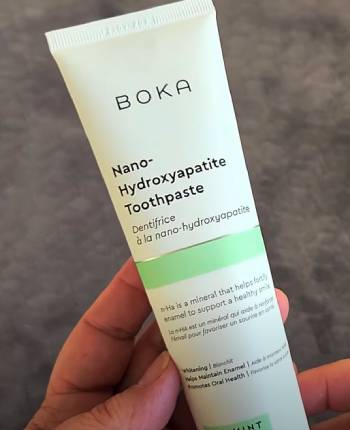
I remember the first time I swapped my standard drugstore toothpaste for a tube of Boka Ela Mint; it felt less like a chore and more like a luxury skincare routine for my mouth.
I am someone who has struggled with tooth sensitivity for years, especially when drinking iced coffee or eating citrus fruits.
The Boka experience was immediately different because the flavor wasn’t that stinging, artificial menthol that makes your eyes water.
Instead, it was a subtle blend of mint and cardamom that left my breath feeling clean without the chemical burn.
After about two weeks of consistent brushing, I noticed that the sharp “zing” I used to get from cold water had significantly diminished.
The texture is very creamy and foams just enough to feel familiar, even though it doesn’t use the harsh sulfates found in cheaper brands.
When I switched over to Davids for a month-long trial, the first thing I noticed was the aesthetic of the metal tube.
There is something incredibly satisfying about using the metal key to roll up the tube, though I am an analytical person who quickly realized that metal tubes can be a bit finicky—once you dent them, the shape is permanent.
The Davids “Sensitivity + Whitening” formula felt a bit more “functional” than Boka.
It has a slightly denser, almost chalky texture that makes your teeth feel incredibly polished, likely due to the premium abrasives like calcium carbonate.
I am a coffee drinker, so I appreciated the extra polishing power of Davids.
However, I found that I had to be more careful with the metal tube to avoid cracking the sides, whereas the Boka plastic tube was much more resilient in my travel bag.
In terms of results, both brands effectively managed my sensitivity, but they did it with different “vibes.”
Boka felt like a gentle, restorative treatment that focused on the oral microbiome through prebiotics.
Davids felt like a high-end, artisan tool designed for someone who wants a zero-waste lifestyle and a very “clean” mouth-feel.
I found that Boka was easier to use for my children because the flavors are more approachable, while Davids remains my go-to when I want that “just-left-the-dentist” smooth feeling on my enamel.
You will find that Boka is the “lifestyle” choice for comfort, while Davids is the “craftsman” choice for sustainability and polishing.
Maintenance and tips for remineralizing toothpaste

To get the most out of your premium hydroxyapatite toothpaste, you cannot treat it like the cheap stuff from the grocery store.
- Do Not Rinse After Brushing: This is the most important rule. Hydroxyapatite needs time to sit on your teeth to bond with the enamel. You should spit out the excess foam but avoid rinsing with water or mouthwash for at least 30 minutes to allow the minerals to work.
- Use a Soft-Bristled Brush: Since you are using a paste designed to repair enamel, you don’t want to scrub it away with hard bristles. A soft brush ensures the n-Ha is massaged into the microscopic cracks of your teeth rather than being brushed off.
- Dry Your Brush Before Applying: Water dilutes the concentration of the active minerals. You should shake off your toothbrush before applying a pea-sized amount of Boka or Davids to keep the formula as potent as possible.
- Store in a Cool Place: Natural ingredients and metal tubes can react to extreme heat. You should keep your toothpaste in a drawer rather than on a sunny windowsill to prevent the oils from separating or the tube from degrading.
- Use the Squeezer Key Correctly: For Davids users, always roll from the bottom. This prevents air pockets and ensures the metal doesn’t kink or break prematurely, which saves you money and prevents waste.
Pros and Cons of using Boka
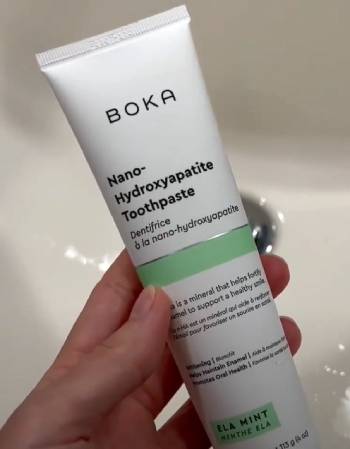
Pros of using Boka: The comfort specialist
- Advanced n-Ha Technology: Boka uses nano-hydroxyapatite which is small enough to penetrate deep into the dentin tubules to block sensitivity at the source.
- Oral Microbiome Support: The inclusion of xylitol and green tea extract acts as a prebiotic, helping to balance the good and bad bacteria in your mouth.
- Gourmet Flavor Options: They have moved beyond basic mint to offer flavors like Coco Ginger and Lemon Lavender, which makes brushing much more enjoyable for those of you who find mint too harsh.
- Low Abrasivity: It is designed to be extremely gentle, making it an ideal choice for people with thinning enamel or receding gums.
- Safety for All Ages: Because it is fluoride-free and non-toxic, it is completely safe if swallowed, which provides peace of mind for parents with toddlers.
Cons of Boka: The trade-offs
- Plastic Packaging: For the eco-conscious among you, the plastic tube is a drawback, even if it is BPA-free: this makes it less sustainable than metal or glass alternatives.
- Lack of Transparency on n-Ha Percentage: Unlike some competitors, Boka does not publicly disclose the exact percentage of nano-hydroxyapatite in their formula: this can be frustrating for analytical buyers who want to compare dosages.
- Proprietary Formula Concerns: They have faced challenges regarding the scientific evidence for some of their specific “whitening” and “prebiotic” claims: this suggests that while the ingredients are good, the marketing might be slightly ahead of the clinical data.
- Consistency can be thin: Some users find the paste to be a bit more “runny” than traditional toothpaste, which can lead to it sliding off the brush: this requires a bit of care when applying.
Also Read: My Experience With Colgate Baking Soda Peroxide Toothpaste
Pros and Cons of using Davids
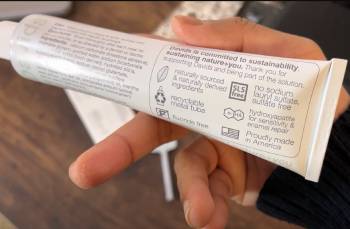
Pros of using Davids: The sustainable powerhouse
- Zero-Waste Packaging: The aluminum tube is infinitely recyclable, and they provide a metal key to ensure you get every last drop of product out of the tube.
- Superior Polishing Action: Davids uses high-quality abrasives that effectively remove surface stains without scratching your enamel, giving you a brighter smile naturally.
- Transparency in Sourcing: They are a USA-based company that prioritizes domestic ingredients, ensuring a high level of quality control and a lower carbon footprint.
- Potent n-Ha Concentration: Their sensitivity formula is packed with enough nano-hydroxyapatite to compete with clinical-grade pastes for remineralization.
- No Artificial Sweeteners: They avoid saccharin and other lab-made sweeteners, relying on high-grade stevia and natural mint oils for a crisp, refreshing taste.
Cons of Davids: The trade-offs
- Fragile Metal Tubes: If you squeeze the tube from the middle instead of using the key, the metal can crack and leak: this requires a disciplined brushing habit to avoid a mess.
- Higher Abrasivity than Boka: While still safe, the grit level is higher, which might not be suitable for those of you with extremely sensitive or damaged enamel: this is the price you pay for the whitening benefit.
- Sharp Edges: As you roll the metal tube, the corners can become quite sharp: this could potentially cut your hand or damage other items in a toiletry bag.
- Stronger Mint Bite: The peppermint flavor is very authentic and can be quite “spicy” for children or people with sensitive oral tissues: this limits its appeal compared to Boka’s milder flavors.
Also Read: My Experience With Marvis Whitening Mint Toothpaste
Frequently Asked Questions (FAQs)
Analytically, brands that disclose their percentage (like Davids or Apagard) are often preferred by enthusiasts; however, Boka is widely considered the best-tasting and most accessible for daily habit-building.
Yes, many holistic and biological dentists recommend Boka because of its non-toxic profile and the proven ability of n-Ha to reduce sensitivity and support enamel.
Many traditional dentists still prioritize fluoride because it has decades of clinical data and ADA backing; hydroxyapatite is seen as a “newer” alternative that lacks the same massive scale of long-term North American studies.
The challenge (from NAD) primarily involved Boka’s marketing claims regarding remineralization and whitening, suggesting that the company needed more product-specific clinical trials to support those particular advertisements.
Final Thoughts
The choice between Boka vs Davids toothpaste really comes down to what you prioritize in your morning routine.
I have found that Boka is the superior choice if you want a gentle, flavorful experience that focuses on comfort and “bio-hacking” your oral microbiome.
However, you should buy Davids if you are committed to a zero-waste lifestyle and want a powerful, polishing paste that makes your teeth feel incredibly smooth.
I believe that moving away from harsh chemicals toward biomimetic minerals like hydroxyapatite is one of the best things you can do for your oral health.
You should decide based on whether you prefer the creamy ease of a plastic tube or the artisan sustainability of a metal one, knowing that both will provide a safer, cleaner brush than traditional options.